• About
  • Masthead
  • License Content
  • Advertise
  • Submit Press Release
  • RSS/Email List
  • 2MM Podcast
  • Write for us
  • Contact Us
2 Minute Medicine
No Result
View All Result

No products in the cart.

SUBSCRIBE
  • Specialties
    • All Specialties, All Recent Reports
    • Cardiology
    • Chronic Disease
    • Dermatology
    • Emergency
    • Endocrinology
    • Gastroenterology
    • Imaging and Intervention
    • Infectious Disease
    • Nephrology
    • Neurology
    • Obstetrics
    • Oncology
    • Ophthalmology
    • Pediatrics
    • Pharma
    • Preclinical
    • Psychiatry
    • Public Health
    • Pulmonology
    • Rheumatology
    • Surgery
  • Tools
    • EvidencePulse™
    • RVU Search
    • NPI Registry Lookup
  • Pharma
  • AI News
  • The Scan+
  • Classics™+
    • 2MM+ Online Access
    • Paperback and Ebook
  • Rewinds
  • Partners
    • License Content
    • Submit Press Release
    • Advertise with Us
  • Account
    • Subscribe
    • Sign-in
    • My account
2 Minute Medicine
  • Specialties
    • All Specialties, All Recent Reports
    • Cardiology
    • Chronic Disease
    • Dermatology
    • Emergency
    • Endocrinology
    • Gastroenterology
    • Imaging and Intervention
    • Infectious Disease
    • Nephrology
    • Neurology
    • Obstetrics
    • Oncology
    • Ophthalmology
    • Pediatrics
    • Pharma
    • Preclinical
    • Psychiatry
    • Public Health
    • Pulmonology
    • Rheumatology
    • Surgery
  • Tools
    • EvidencePulse™
    • RVU Search
    • NPI Registry Lookup
  • Pharma
  • AI News
  • The Scan+
  • Classics™+
    • 2MM+ Online Access
    • Paperback and Ebook
  • Rewinds
  • Partners
    • License Content
    • Submit Press Release
    • Advertise with Us
  • Account
    • Subscribe
    • Sign-in
    • My account
SUBSCRIBE
2 Minute Medicine
Subscribe
Home All Specialties Chronic Disease

Inaxaplin reduces proteinuria in focal segmental glomerulosclerosis with two APOL1 variants

byBryant LimandKiera Liblik
April 3, 2023
in Chronic Disease, Nephrology
Reading Time: 3 mins read
0
Share on FacebookShare on Twitter

1. In preclinical studies, inaxaplin selectively inhibited apolipoprotein L1 (APOL1) in vitro and reduced proteinuria in a APOL1 G2-homologous transgenic mouse model of proteinuric kidney disease.

2. In a following phase 2a clinical study, 13 participants treated with inaxaplin had a significant reduction in urinary protein-to-creatinine ratio at week 13.

Evidence Rating Level: 3 (Average)

Study Rundown: The presence of two APOL1 variants confers a higher risk for proteinuric chronic kidney disease. These toxic gain-of-function variants may enhance APOL1 channel function leading to podocyte damage. The standard of care for patients with focal segmental glomerulosclerosis and two APOL1 variants, including diuretics, renin-angiotensin-aldosterone system inhibitors, and glucocorticoids, has a poor efficacy and safety profile. In this study, the efficacy of inaxaplin, an APOL1 channel selective inhibitor, for reducing proteinuria, a predictive marker of progression to end-stage kidney disease, was characterized in preclinical and phase 2a clinical studies. In cellular assays, inaxaplin bound directly to APOL1 protein and blocked APOL1 protein channel in a concentration-dependent manner. In a transgenic mouse model of APOL1-mediated kidney disease, inaxaplin administration significantly reduced the mean interferon gamma-induced urinary albumin-to-creatinine ratio. For the clinical study, adult patients with two APOL1 variants and biopsy-proven focal segmental glomerulosclerosis received inaxaplin treatment for 13 weeks and were followed for an additional 28 days. No placebo control was included. For the primary outcome, there was a reduced urinary protein-to-creatinine ratio at week 13 in both nephrotic and subnephrotic-range patients. One patient did not have a reduction despite having 100% adherence to treatment. All adverse events related to the treatment were mild or moderate in severity. As limitations, this study had a small sample size, short duration, and no placebo control.

Click here to read the study in NEJM

In-Depth [randomized controlled trial]: The mechanism and efficacy of inaxaplin were assessed in preclinical and clinical studies. In the preclinical phase, inaxaplin action was assessed in human embryonic kidney cell lines expressing APOL1 variants and transgenic homozygous APOL1 G2 variant mouse models of kidney disease. In cellular assays assessing thallium ion flux, a surrogate for potassium ion flux, inaxaplin bound directly to APOL1 protein and blocked the channel function of APOL1 in a concentration-dependent manner. In animal studies, prophylactic administration of inaxaplin significantly reduced the urinary albumin-to-creatinine ratio by 74.1% compared to control saline after interferon gamma-induced kidney dysfunction. In the phase 2a clinical trial, 16 adult patients with two APOL1 variants and biopsy-proven focal segmental glomerulosclerosis received inaxaplin treatment for 13 weeks and were followed for an additional 28 days. Three patients did not have at least 80% adherence and were not included in the primary outcome analyses. For the primary outcome, a mean change in the urinary protein-to-creatinine ratio of -47.6% (95% Confidence Interval [CI], -60.0 to -31.3) was observed at week 13 in both nephrotic- and subnephrotic-range groups. One patient did not have a reduction despite having 100% adherence to treatment. Nine patients underwent a further 12 weeks follow-up after treatment for urinary protein-to-creatinine ratio monitoring. The mean urinary protein-to-creatinine ratio increased from -47.6% to -30.1% by week four after treatment. For the safety profile, 15 patients had at least one adverse event, the most common of which were headaches, back pain, and nausea. Two serious adverse events occurred in one participant (deep-vein thrombosis and uterine leiomyoma), which were deemed unrelated to inaxaplin. This study provides initial evidence that targeted inhibitors of APOL1 function could reduce proteinuria for patients with related genetic risk factors.

RELATED REPORTS

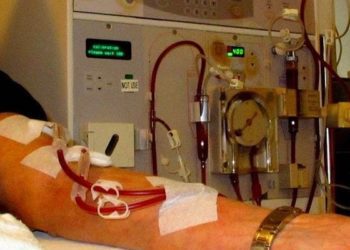
An intradialytic exercise intervention did not improve dialysis adequacy

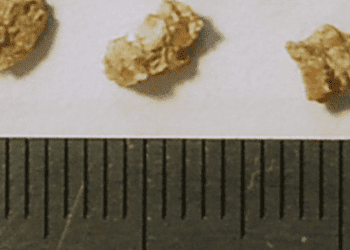
Point-of-care ultrasound may be effective at identifying nephrolithiasis in the emergency department

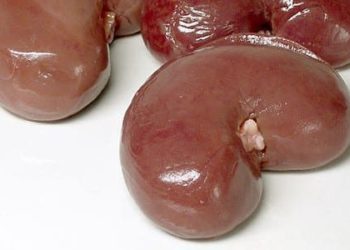
Sparsentan (Filspari) becomes first approved treatment for focal segmental glomerulosclerosis

Image: PD

©2023 2 Minute Medicine, Inc. All rights reserved. No works may be reproduced without expressed written consent from 2 Minute Medicine, Inc. Inquire about licensing here. No article should be construed as medical advice and is not intended as such by the authors or by 2 Minute Medicine, Inc.

Tags: APOL1APOL1 variantschronic diseasefocal segmental glomerulosclerosisInaxaplinnephrologyproteinuriaproteinuric kidney disease
Previous Post

Helicobacter pylori, Homologous Recombination Genes, and Risk of Gastric Cancer

Next Post

Identifying the initial symptoms to degenerative cervical myelopathy

RelatedReports

Fish oil and aspirin did not reduce arteriovenous fistula failure: The FAVOURED trail
Chronic Disease

An intradialytic exercise intervention did not improve dialysis adequacy

May 18, 2026
Renal stones in women linked with increased risk of coronary heart disease
Emergency

Point-of-care ultrasound may be effective at identifying nephrolithiasis in the emergency department

May 11, 2026
Tenofovir disoprovil fumarate HIV prophylaxis linked with minimal kidney impact
Nephrology

Sparsentan (Filspari) becomes first approved treatment for focal segmental glomerulosclerosis

May 6, 2026
2 Minute Medicine: Pharma Roundup: Price Hikes, Breakthrough Approvals, Legal Showdowns, Biotech Expansion, and Europe’s Pricing Debate [May 12nd, 2025]
Pharma

2 Minute Medicine: Pharma Roundup – Geopolitical instability in the Strait of Hormuz threatens global generic drug supply, daraxonrasib improves pancreatic cancer survival, sparsentan (Filspari) approved for focal segmental glomerulosclerosis, glucagon-like peptide-1 receptor agonists linked to reduced substance use disorders, and orforglipron (Foundayo) expands oral weight loss therapy options

May 4, 2026
Next Post
American Academy of Pediatrics recommends standards for adverse event disclosures

Identifying the initial symptoms to degenerative cervical myelopathy

Shared decision-making may be limited in PICU end-of-life discussions

Reminiscence therapy improves mental health outcomes in cancer survivors

The Scan by 2 Minute Medicine®:  Ultra-Trail du Mont-Blanc, Taylor Swift, NBA rookie Chet Holmgren and Magic Mushrooms!

The Scan by 2 Minute Medicine®: Cystic Fibrosis and Make-A-Wish, Wyoming Bans Abortion Pills, Justin Bieber and Ramsay Hunt Syndrome, Colon Cancer in Young Adults

2 Minute Medicine® is an award winning, physician-run, expert medical media company. Our content is curated, written and edited by practicing health professionals who have clinical and scientific expertise in their field of reporting. Our editorial management team is comprised of highly-trained MD physicians. Join numerous brands, companies, and hospitals who trust our licensed content.

Recent Reports

  • Delayed initiation of antibiotic therapy is associated with worse outcomes in skin and soft tissue infections
  • Caloric restriction and intermittent fasting show mixed human longevity data
  • Selective serotonin reuptake inhibitors may reduce risk of total joint arthroplasty in osteoarthritis
License Content
Terms of Use | Disclaimer
Cookie Policy
Privacy Statement (EU)
Disclaimer
  • Specialties
    • All Specialties, All Recent Reports
    • Cardiology
    • Chronic Disease
    • Dermatology
    • Emergency
    • Endocrinology
    • Gastroenterology
    • Imaging and Intervention
    • Infectious Disease
    • Nephrology
    • Neurology
    • Obstetrics
    • Oncology
    • Ophthalmology
    • Pediatrics
    • Pharma
    • Preclinical
    • Psychiatry
    • Public Health
    • Pulmonology
    • Rheumatology
    • Surgery
  • Tools
    • EvidencePulse™
    • RVU Search
    • NPI Registry Lookup
  • Pharma
  • AI News
  • The Scan
  • Classics™
    • 2MM+ Online Access
    • Paperback and Ebook
  • Rewinds
  • Partners
    • License Content
    • Submit Press Release
    • Advertise with Us
  • Account
    • Subscribe
    • Sign-in
    • My account
No Result
View All Result

© 2026 2 Minute Medicine, Inc. - Physician-written medical news.