

• About
  • Masthead
  • License Content
  • Advertise
  • Submit Press Release
  • RSS/Email List
  • 2MM Podcast
  • Write for us
  • Contact Us
2 Minute Medicine
No Result
View All Result

No products in the cart.

SUBSCRIBE
  • Specialties
    • All Specialties, All Recent Reports
    • Cardiology
    • Chronic Disease
    • Dermatology
    • Emergency
    • Endocrinology
    • Gastroenterology
    • Imaging and Intervention
    • Infectious Disease
    • Nephrology
    • Neurology
    • Obstetrics
    • Oncology
    • Ophthalmology
    • Pediatrics
    • Pharma
    • Preclinical
    • Psychiatry
    • Public Health
    • Pulmonology
    • Rheumatology
    • Surgery
  • AI EvidencePulse™
  • Pharma
  • AI News
  • The Scan+
  • Classics™+
    • 2MM+ Online Access
    • Paperback and Ebook
  • Rewinds
  • Podcasts
  • Partners
    • License Content
    • Submit Press Release
    • Advertise with Us
  • Account
    • Subscribe
    • Sign-in
    • My account
2 Minute Medicine
  • Specialties
    • All Specialties, All Recent Reports
    • Cardiology
    • Chronic Disease
    • Dermatology
    • Emergency
    • Endocrinology
    • Gastroenterology
    • Imaging and Intervention
    • Infectious Disease
    • Nephrology
    • Neurology
    • Obstetrics
    • Oncology
    • Ophthalmology
    • Pediatrics
    • Pharma
    • Preclinical
    • Psychiatry
    • Public Health
    • Pulmonology
    • Rheumatology
    • Surgery
  • AI EvidencePulse™
  • Pharma
  • AI News
  • The Scan+
  • Classics™+
    • 2MM+ Online Access
    • Paperback and Ebook
  • Rewinds
  • Podcasts
  • Partners
    • License Content
    • Submit Press Release
    • Advertise with Us
  • Account
    • Subscribe
    • Sign-in
    • My account
SUBSCRIBE
2 Minute Medicine
Subscribe
Home All Specialties Chronic Disease

Individuals with disorders of consciousness can perform cognitive tasks
byNhat Hung (Benjamin) LamandKiera Liblik
September 30, 2024
in Chronic Disease, Neurology
Reading Time: 3 mins read
0
Share on FacebookShare on Twitter

1. In a large cohort of individuals with disorders of consciousness exhibiting no observable response to verbal commands, approximately 25% performed a cognitive task observed on functional magnetic resonance imaging (fMRI) or electroencephalography (EEG).

2. Approximately one in three of those exhibiting an observable response to commands demonstrated a corresponding cognitive response. 

Evidence Rating Level: 1 (Excellent)

Study Rundown: Individuals with severe neurologic conditions lack behavioral responses to commands. Yet, they demonstrate brain activation on fMRI or EEG during cognitive tasks. This phenomenon is called cognitive motor dissociation (CMD). Not only is CMD associated with better recovery outcomes, but failing to detect its presence could adversely affect goals of care decisions and caregivers’ emotional well-being. There is considerable variability in clinical guidelines in investigating CMD. This prospective cohort study included 353 adults with disorders of consciousness, varying in their ability to exhibit observable responses to commands as classified by the Coma Recovery Scale-Revised (CRS-R). Brain trauma was a contributing case in 50% of these participants. Approximately 25% of those without an observable response to commands showed evidence of CMD on fMRI or EEG, whereas cognitive response was detected in 38% of those demonstrating an observable response to commands. CMD was associated with younger age, brain trauma, and a longer time since injury. The survival bias potentially limited the study as participants had survived the acute initial injury and the heterogeneity in fMRI and EEG analyses between sites. Nevertheless, these results suggested that CMD may be more prevalent than previously thought and should prompt further validation and integration of task-based fMRI and EEG investigations in patients suffering from disorders of consciousness.

Click here to read the study in NEJM

Relevant Reading: Detection of Brain Activation in Unresponsive Patients with Acute Brain Injury

RELATED REPORTS

Prehospital Postintubation Hypotension and Survival in Severe Traumatic Brain Injury

2 Minute Medicine Rewind November 24, 2025

Albuminuria shows a stronger association with kidney failure than proteinuria

In-Depth [prospective cohort study]: This prospective cohort study investigated the presence of CMD among adults with disorders of consciousness. Participants were recruited from intensive care units, hospital wards, rehabilitation centers, nursing homes, and the community. Exclusion criteria included previous neurologic or psychiatric diagnoses and contraindications to MRI or EEG. fMRI and EEG studies were conducted to assess cognitive responses to task-based commands. Of the 353 participants included in the study, 241 were classified as having no observable response to commands with a diagnosis of coma or vegetative state or minimally conscious state-minus on the CRS-R. The median age of included participants was 37.9 years, and the median interval between brain injury and CRS-R assessment was 7.9 months. Brain trauma was a contributing cause in 50% of participants, with cardiac arrest or hypoxic injury and cerebrovascular events being other major causes. CMD was detected in 60 of the 241 participants (25%), 11 (18%) of whom had been assessed with only fMRI, 13 (22%) with only EEG, and 36 (60%) with both techniques. CMD was associated with lower median age (30.5 years vs. 45.3 years), brain trauma as an etiologic factor (65% vs. 38%), and a diagnosis of minimally conscious state-minus (53% vs. 38%). Conversely, among the 112 participants who demonstrated observable responses to commands, 43 (38%) showed a response to commands on fMRI, EEG, or both. These results suggested that CMD could be more prevalent than previously thought and served to prompt more rigorous large-scale validation studies to standardize and integrate fMRI and EEG techniques in assessing patients with disorders of consciousness.

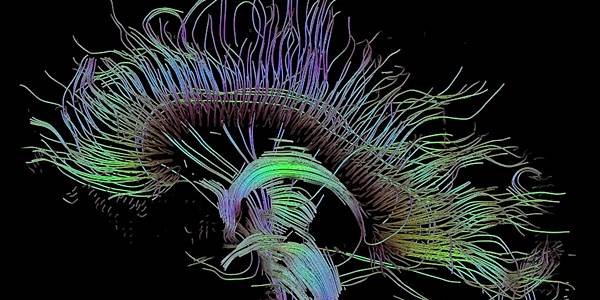
Image: PD

©2024 2 Minute Medicine, Inc. All rights reserved. No works may be reproduced without expressed written consent from 2 Minute Medicine, Inc. Inquire about licensing here. No article should be construed as medical advice and is not intended as such by the authors or by 2 Minute Medicine, Inc.
Tags: chronic diseasecognitioncognitive motor dissociationcognitive taskcognitive task performancedisorders of consciousnesselectroencephalographyneurology
Previous Post

Belzutifan versus Everolimus for Advanced Renal-Cell Carcinoma

Next Post

COVID-19 caseload stress associated with increased mortality across U.S. hospitals

RelatedReports

Brain lesions on MRI linked with subsequent increased stroke risk
Emergency

Prehospital Postintubation Hypotension and Survival in Severe Traumatic Brain Injury

November 25, 2025
Elective colectomy associated with improved survival in ulcerative colitis
Weekly Rewinds

2 Minute Medicine Rewind November 24, 2025

November 24, 2025
Solitary kidney not associated with contrast-induced nephropathy
Chronic Disease

Albuminuria shows a stronger association with kidney failure than proteinuria

November 20, 2025
Brain lesions on MRI linked with subsequent increased stroke risk
Chronic Disease

Diphenhydramine, Sodium Bicarbonate, or Combination for Acute Peripheral Vertigo: A Randomized Clinical Trial

November 14, 2025
Next Post
Lower vulvar cancer-related mortality in African Americans

COVID-19 caseload stress associated with increased mortality across U.S. hospitals

Testosterone replacement in male cancer survivors helps improve body composition

Impact of different visceral metastatic sites on survival in metastatic prostate cancer patients

#VisualAbstract Edoxaban Monotherapy has Lower Risks for Atrial Fibrillation and Stable Coronary Artery Disease than Dual Antithrombotics

#VisualAbstract Edoxaban Monotherapy has Lower Risks for Atrial Fibrillation and Stable Coronary Artery Disease than Dual Antithrombotics

2 Minute Medicine® is an award winning, physician-run, expert medical media company. Our content is curated, written and edited by practicing health professionals who have clinical and scientific expertise in their field of reporting. Our editorial management team is comprised of highly-trained MD physicians. Join numerous brands, companies, and hospitals who trust our licensed content.

Recent Reports

  • Opioid overdose associated with concomitant use of hydrocodone and selective serotonin reuptake inhibitors
  • Analysis of arrhythmia and its risk factors in patients with COVID-19
  • Tai chi or cognitive behavioural therapy for treating insomnia in middle-aged and older adults: randomised non-inferiority trial
License Content
Terms of Use | Disclaimer
Cookie Policy
Privacy Statement (EU)
Disclaimer

© 2025 2 Minute Medicine, Inc. - Physician-written medical news.

  • Specialties
    • All Specialties, All Recent Reports
    • Cardiology
    • Chronic Disease
    • Dermatology
    • Emergency
    • Endocrinology
    • Gastroenterology
    • Imaging and Intervention
    • Infectious Disease
    • Nephrology
    • Neurology
    • Obstetrics
    • Oncology
    • Ophthalmology
    • Pediatrics
    • Pharma
    • Preclinical
    • Psychiatry
    • Public Health
    • Pulmonology
    • Rheumatology
    • Surgery
  • AI EvidencePulse™
  • Pharma
  • AI News
  • The Scan
  • Classics™
    • 2MM+ Online Access
    • Paperback and Ebook
  • Rewinds
  • Podcasts
  • Partners
    • License Content
    • Submit Press Release
    • Advertise with Us
  • Account
    • Subscribe
    • Sign-in
    • My account
No Result
View All Result

© 2025 2 Minute Medicine, Inc. - Physician-written medical news.