• About
  • Masthead
  • License Content
  • Advertise
  • Submit Press Release
  • RSS/Email List
  • 2MM Podcast
  • Write for us
  • Contact Us
2 Minute Medicine
No Result
View All Result

No products in the cart.

SUBSCRIBE
  • Specialties
    • All Specialties, All Recent Reports
    • Cardiology
    • Chronic Disease
    • Dermatology
    • Emergency
    • Endocrinology
    • Gastroenterology
    • Imaging and Intervention
    • Infectious Disease
    • Nephrology
    • Neurology
    • Obstetrics
    • Oncology
    • Ophthalmology
    • Pediatrics
    • Pharma
    • Preclinical
    • Psychiatry
    • Public Health
    • Pulmonology
    • Rheumatology
    • Surgery
  • Tools
    • EvidencePulse™
    • HypeCheck™
    • NPI Registry Lookup
    • RVU Search
  • Pharma
  • AI News
  • The Scan+
  • Classics™+
    • 2MM+ Online Access
    • Paperback and Ebook
  • Rewinds
  • Partners
    • License Content
    • Submit Press Release
    • Advertise with Us
  • Account
    • Subscribe
    • Sign-in
    • My account
2 Minute Medicine
  • Specialties
    • All Specialties, All Recent Reports
    • Cardiology
    • Chronic Disease
    • Dermatology
    • Emergency
    • Endocrinology
    • Gastroenterology
    • Imaging and Intervention
    • Infectious Disease
    • Nephrology
    • Neurology
    • Obstetrics
    • Oncology
    • Ophthalmology
    • Pediatrics
    • Pharma
    • Preclinical
    • Psychiatry
    • Public Health
    • Pulmonology
    • Rheumatology
    • Surgery
  • Tools
    • EvidencePulse™
    • HypeCheck™
    • NPI Registry Lookup
    • RVU Search
  • Pharma
  • AI News
  • The Scan+
  • Classics™+
    • 2MM+ Online Access
    • Paperback and Ebook
  • Rewinds
  • Partners
    • License Content
    • Submit Press Release
    • Advertise with Us
  • Account
    • Subscribe
    • Sign-in
    • My account
SUBSCRIBE
2 Minute Medicine
Subscribe
Home All Specialties Cardiology

Levothyroxine does not improve heart transplantation rates in brain-dead donors
byNhat Hung (Benjamin) LamandKiera Liblik
December 13, 2023
in Cardiology, Endocrinology, Surgery
Reading Time: 2 mins read
0
Share on FacebookShare on Twitter

1. In this randomized crossover trial, intravenous levothyroxine, given to hemodynamically unstable brain-dead potential heart donors, did not improve the heart transplant success rates compared to placebo. 

2. Levothyroxine resulted in more severe hypertension and tachycardia as compared to placebo.

Evidence Rating Level: 1 (Excellent)

Study Rundown: The majority of transplanted hearts come from brain-dead donors. Less than half of potential donor hearts are fit for transplantation, which might be due to neurohormonal derangements, including thyroid hormone deficiency. This can result in cardiac dysfunction and shock. Observational evidence suggested that thyroid hormone supplementation, such as levothyroxine, increased transplantation rates of hearts and other organs. However, randomized trials evaluating the impact of levothyroxine on final utilization organs are lacking. This study was a randomized trial to assess the effects of intravenous levothyroxine on heart transplantation in hemodynamically unstable brain-dead donors. Compared to saline placebo, levothyroxine did not significantly increase the rates of heart transplantations, nor did it improve graft survival, cardiac left ventricular ejection fraction (LVEF), and overall per-donor organ utilization. However, the levothyroxine group saw more cases of severe hypertension and tachycardia. The study was potentially limited by its pragmatic unblinded design. Notwithstanding, these results came from a large representative donor population and may be generalizable to hemodynamically unstable heart donors. It was demonstrated intravenous levothyroxine did not improve the rates of heart transplants from these donors.

Click here to read the study in NEJM

In-Depth [randomized controlled trial]: The current study was a randomized trial to evaluate the use of intravenous levothyroxine in hemodynamically unstable brain-dead potential heart donors. In total, 15 organ-procurement organizations in the United States were involved and donors were eligible if their death was declared based on neurologic criteria and they were authorized for research, aged between 14 and 55 years, and hemodynamically stable. Exclusion criteria included known heart disease or receipt of thyroid hormone in the preceding month. Overall, 838 brain-dead patients were randomized within 24 hours of death declaration to receive an open-label intravenous infusion of either levothyroxine (30mg per hour for at least 12 hours) or saline placebo. Baseline-free T4 levels were measured before infusion. The primary outcomes were transplantation of the donor heart and graft survival at 30 days. Secondary outcomes included transplantation of lungs and other organs, vasopressor requirements, and echocardiographically measured LVEF. The heart transplantation rate was 54.9% in the levothyroxine group and 53.2% in the saline group (adjusted risk ratio, 1.01; 95% Confidence Interval [CI], 0.97-1.01; p=0.57). By 30 days, the graft survival rate was 97.4% for the transplanted hearts from the levothyroxine group and 95.5% from the saline group (percentage points difference, 1.9; 95% CI, -2.3-6.0; p<0.001 for noninferiority). The median number of transplanted organs was four per donor in both groups. In summary, these results provided evidence that intravenous thyroxine did not improve the rate of heart transplants from hemodynamically unstable brain-dead donors.

RELATED REPORTS

Surgery is associated with an increased quality of life in women with endometriosis

Active surveillance is cost-effective compared with standard surgery among esophageal cancer patients with complete clinical response after neoadjuvant chemoradiotherapy

A medical care at home program following hospitalization with acute decompensated heart failure may offer a safe and effective alternative to continued hospitalization

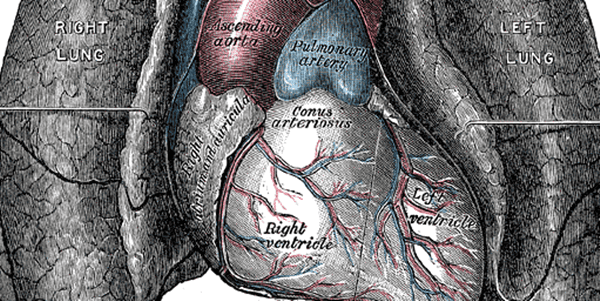
Image: PD

©2023 2 Minute Medicine, Inc. All rights reserved. No works may be reproduced without expressed written consent from 2 Minute Medicine, Inc. Inquire about licensing here. No article should be construed as medical advice and is not intended as such by the authors or by 2 Minute Medicine, Inc.
Tags: Cardiac surgerycardiologyendocrinologyHeart TransplantlevothyroxineSurgerytransplant medicine
Previous Post

Yoga therapy may be beneficial for patients with post-traumatic stress disorder

Next Post

#VisualAbstract: Methotrexate alleviates pain among patients with hand osteoarthritis and concurrent synovitis

RelatedReports

Survival greater in cervical cancer patients undergoing abdominal hysterectomy compared to minimally invasive techniques: the LACC trial
Chronic Disease

Surgery is associated with an increased quality of life in women with endometriosis

August 11, 2026
Hybrid minimally invasive esophagectomy associated with lower complication rates compared to open esophagectomy
Chronic Disease

Active surveillance is cost-effective compared with standard surgery among esophageal cancer patients with complete clinical response after neoadjuvant chemoradiotherapy

August 6, 2026
Remote patient monitoring did not reduce heart failure readmissions: The BEAT-HF trial
Cardiology

A medical care at home program following hospitalization with acute decompensated heart failure may offer a safe and effective alternative to continued hospitalization

July 24, 2026
Rivaroxaban likely reduces risk of recurrent stroke in specific subgroup of patients with embolic stroke of undetermined source
Cardiology

Catheter ablation within 1 year of atrial fibrillation diagnosis is associated with reduced risk of recurrence

July 24, 2026
Next Post
#VisualAbstract: Methotrexate alleviates pain among patients with hand osteoarthritis and concurrent synovitis

#VisualAbstract: Methotrexate alleviates pain among patients with hand osteoarthritis and concurrent synovitis

Lariat device for left atrial appendage exclusion associated with adverse events

Recurrence is high in patients with transient atrial fibrillation during hospitalization

Decreased expression of nasal ACE2 may be correlated with lower prevalence of COVID-19 in children

COVID virologic rebound may occur in patients treated with nirmatrelvir-ritonavir

2 Minute Medicine® is an award winning, physician-run, expert medical media company. Our content is curated, written and edited by practicing health professionals who have clinical and scientific expertise in their field of reporting. Our editorial management team is comprised of highly-trained MD physicians. Join numerous brands, companies, and hospitals who trust our licensed content.

Recent Reports

  • Melatonin use is associated with lower proportions of rapid eye movement sleep in children
  • Tumour microenvironment factors may influence cancer progression and response to tamoxifen (Nolvadex) in patients with estrogen receptor-positive and human epidermal growth factor receptor 2 breast cancer
  • A health coaching intervention may improve blood pressure control in postpartum women
License Content
Terms of Use | Disclaimer
Cookie Policy
Privacy Statement (EU)
Disclaimer
  • Specialties
    • All Specialties, All Recent Reports
    • Cardiology
    • Chronic Disease
    • Dermatology
    • Emergency
    • Endocrinology
    • Gastroenterology
    • Imaging and Intervention
    • Infectious Disease
    • Nephrology
    • Neurology
    • Obstetrics
    • Oncology
    • Ophthalmology
    • Pediatrics
    • Pharma
    • Preclinical
    • Psychiatry
    • Public Health
    • Pulmonology
    • Rheumatology
    • Surgery
  • Tools
    • EvidencePulse™
    • HypeCheck™
    • NPI Registry Lookup
    • RVU Search
  • Pharma
  • AI News
  • The Scan
  • Classics™
    • 2MM+ Online Access
    • Paperback and Ebook
  • Rewinds
  • Partners
    • License Content
    • Submit Press Release
    • Advertise with Us
  • Account
    • Subscribe
    • Sign-in
    • My account
No Result
View All Result

© 2026 2 Minute Medicine, Inc. - Physician-written medical news.