• About
  • Masthead
  • License Content
  • Advertise
  • Submit Press Release
  • RSS/Email List
  • 2MM Podcast
  • Write for us
  • Contact Us
2 Minute Medicine
No Result
View All Result

No products in the cart.

SUBSCRIBE
  • About
  • Specialties
    • All Specialties, All Recent Reports
    • Cardiology
    • Chronic Disease
    • Dermatology
    • Emergency
    • Endocrinology
    • Gastroenterology
    • Imaging and Intervention
    • Infectious Disease
    • Nephrology
    • Neurology
    • Obstetrics
    • Oncology
    • Ophthalmology
    • Pediatrics
    • Pharma
    • Preclinical
    • Psychiatry
    • Public Health
    • Pulmonology
    • Rheumatology
    • Surgery
  • Tools+
    • EvidencePulse™
    • HypeCheck™
    • NPI Registry Lookup
    • RVU Search
  • Pharma
  • AI Roundup
  • The Scan+
  • Classics™+
    • 2MM+ Online Access
    • Paperback and Ebook
  • Rewinds
  • Partners
    • License Content
    • Submit Press Release
    • Advertise with Us
  • Account
    • Subscribe
    • My account
    • Cart
    • Sign-in
2 Minute Medicine
  • About
  • Specialties
    • All Specialties, All Recent Reports
    • Cardiology
    • Chronic Disease
    • Dermatology
    • Emergency
    • Endocrinology
    • Gastroenterology
    • Imaging and Intervention
    • Infectious Disease
    • Nephrology
    • Neurology
    • Obstetrics
    • Oncology
    • Ophthalmology
    • Pediatrics
    • Pharma
    • Preclinical
    • Psychiatry
    • Public Health
    • Pulmonology
    • Rheumatology
    • Surgery
  • Tools+
    • EvidencePulse™
    • HypeCheck™
    • NPI Registry Lookup
    • RVU Search
  • Pharma
  • AI Roundup
  • The Scan+
  • Classics™+
    • 2MM+ Online Access
    • Paperback and Ebook
  • Rewinds
  • Partners
    • License Content
    • Submit Press Release
    • Advertise with Us
  • Account
    • Subscribe
    • My account
    • Cart
    • Sign-in
SUBSCRIBE
2 Minute Medicine
Subscribe
EvidencePulse™ by 2 Minute Medicine 2026 evidence scan 3 reports You asked top stroke trials 2026 Synthesizing medical evidence... Top 2026 stroke trial results: OCEANIC — ischemic stroke: 6.2% vs 8.4% OPTION* — mRS 0–1: 43.6% vs 34.2% ORIENTAL* — mRS 0–2: 58.6% vs 46.6% *Higher sICH in intervention arms Participants randomizedN OCEANIC 12,327 OPTION 570 ORIENTAL 564 Ask about guidelines or landmark trials... ↑ Try EvidencePulse™ Ask the evidence.
Get the signal.
Try it now → Physician-trained medical AI by 2 Minute Medicine
Home All Specialties Infectious Disease

Low-dose yellow fever vaccine non-inferior to standard dose

byZhenyu LiandKiera Liblik
March 13, 2025
in Infectious Disease, Public Health, Weekly Rewinds, Wellness
Reading Time: 3 mins read
AAP guidelines for pneumococcal vaccination in high-risk groups released
Share on FacebookShare on Twitter

1. This randomized controlled trial conducted in Kenya and Uganda assessed whether fractional doses of the 17D-204 yellow fever vaccine were noninferior to the standard dose in terms of seroconversion at 28 days post-vaccination.

2. The 500 IU and 1000 IU doses were found to be noninferior to the standard dose, achieving similar seroconversion rates, whereas the 250 IU dose did not meet noninferiority criteria in the per-protocol analysis.

Evidence Rating Level: 1 (Excellent)

Study Rundown: Yellow fever is a mosquito-borne viral disease endemic to Africa and South America, causing an estimated 100,000 severe cases annually, with a fatality rate of 20–60%. The 17D live-attenuated yellow fever vaccine provides lifelong immunity with a single dose. This study aimed to evaluate fractional dosing as a potential strategy for yellow fever vaccine conservation, given the global vaccine supply limitations. The trial enrolled 480 participants, who were randomized to receive either the standard dose (13,803 IU) or fractional doses (1000 IU, 500 IU, or 250 IU). Seroconversion was measured at 28 days post-vaccination, using a plaque reduction neutralization test (PRNT50). The 500 IU and 1000 IU doses demonstrated noninferiority to the standard dose, while the 250 IU dose narrowly failed the noninferiority criteria in the per-protocol population. The incidence of adverse events was similar across all groups, with most reactions being mild or moderate. The long-term immunogenicity of the fractional doses remains under investigation, with follow-up data up to two years post-vaccination showing some decline in antibody titers. This study provides strong evidence supporting the use of 500 IU doses as a dose-sparing strategy during vaccine shortages.

Click to read the study in NEJM

In-Depth [randomized controlled trial]: This randomized, double-blind, noninferiority trial, known as the NIFTY study, was conducted in Kenya and Uganda to evaluate whether fractional doses of the yellow fever vaccine (1000 IU, 500 IU, and 250 IU) were noninferior to the standard 13,803 IU dose in terms of seroconversion at 28 days post-vaccination. The study enrolled 480 participants, who were randomly assigned in equal groups to receive one of the four doses. Seroconversion was defined as a fourfold increase in antibody titers, measured by plaque reduction neutralization tests (PRNT50 and PRNT90). At day 28, the standard dose achieved a seroconversion rate of 98% (95% Confidence Interval [CI], 94–100), while the 1000 IU and 500 IU doses also reached 98%, confirming noninferiority. The 250 IU dose had a slightly lower seroconversion rate of 94% (CI, 88–97) and failed noninferiority criteria in the per-protocol analysis. The difference in seroconversion between the 500 IU and standard dose was 0.01 percentage points (CI, −5.0 to 5.1), confirming equivalence. At two-year follow-up (day 730), geometric mean titers declined across all groups, with the 500 IU and 1000 IU doses maintaining strong immunity, while the 250 IU group showed the lowest levels. The incidence of adverse events was similar across all groups, with most reactions being mild (76%) or moderate (23%). The most common side effects were headache (14%), upper respiratory tract infection (8%), and dizziness (8%), with no significant safety concerns. These findings provide strong evidence supporting the 500 IU dose as a viable dose-sparing strategy for yellow fever vaccination. Given global vaccine shortages, fractional dosing at 500 IU or higher could significantly expand vaccine availability without compromising immune protection.

RELATED REPORTS

Chronic exposure to particulate matter is associated with increased cardiovascular risk

Lower levels of education and place of birth were associated with non-admission to the intensive care unit in Sweden during COVID-19 pandemic

Mortality in the post-housing period is high among homeless people in Ottawa, Canada

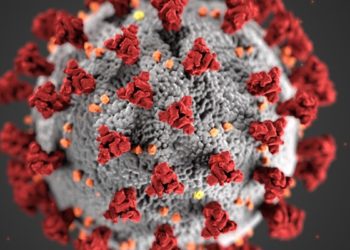
Image: PD

©2025 2 Minute Medicine, Inc. All rights reserved. No works may be reproduced without expressed written consent from 2 Minute Medicine, Inc. Inquire about licensing here. No article should be construed as medical advice and is not intended as such by the authors or by 2 Minute Medicine, Inc.

Tags: infectious diseasepreventative medicinepublic healthvaccineyellow feveryellow fever vaccine
Previous Post

Remibrutinib alleviates symptoms in chronic spontaneous urticaria resistant to H1-antihistamines

Next Post

Glucagon-like Peptide-1 Receptor Agonists and Lower Depression Risk in Older Adults with Diabetes

RelatedReports

Cardiology

Chronic exposure to particulate matter is associated with increased cardiovascular risk

September 10, 2026
Novel coronavirus identified from patients with pneumonia in Wuhan, China
Emergency

Lower levels of education and place of birth were associated with non-admission to the intensive care unit in Sweden during COVID-19 pandemic

September 1, 2026
“Housing First” linked to housing stability for homeless youth with mental illness
Public Health

Mortality in the post-housing period is high among homeless people in Ottawa, Canada

August 31, 2026
Risk of autism in offspring linked to maternal pregestational diabetes and severe obesity
Obstetrics

A landmark court ruling was associated with increased travel across state borders for abortion care

August 28, 2026
Next Post
Glucagon-like Peptide-1 Receptor Agonists and Lower Depression Risk in Older Adults with Diabetes

Glucagon-like Peptide-1 Receptor Agonists and Lower Depression Risk in Older Adults with Diabetes

Prognostic indicators for transarterial chemoembolization in patients with hepatocellular carcinoma with extrahepatic spread identified

Durvalumab and bevacizumab plus chemoembolization improves progression-free survival in hepatocellular carcinoma

Post-surgical wound complications more common in obese ovarian cancer patients

Hypnotic drug use may be associated with increased risk of postoperative delirium

EvidencePulse™ by 2 Minute Medicine 2026 evidence scan 3 reports You asked top stroke trials 2026 Synthesizing medical evidence... Top 2026 stroke trial results: OCEANIC — ischemic stroke: 6.2% vs 8.4% OPTION* — mRS 0–1: 43.6% vs 34.2% ORIENTAL* — mRS 0–2: 58.6% vs 46.6% *Higher sICH in intervention arms Participants randomizedN OCEANIC 12,327 OPTION 570 ORIENTAL 564 Ask about guidelines or landmark trials... ↑ Try EvidencePulse™ Ask the evidence.
Get the signal.
Try it now → Physician-trained medical AI by 2 Minute Medicine

2MM+ All Access

Full details →
$4.99 /month

5-day free trial · cancel anytime

  • ✓100+ physician-written reports
  • ✓EvidencePulse™ + HypeCheck™
  • ✓Ad-free reading + newsletters
Start 5-day free trial

Then $4.99/month. Manage renewal in your account.

2 Minute Medicine® is an award winning, physician-run, expert medical media company. Our content is curated, written and edited by practicing health professionals who have clinical and scientific expertise in their field of reporting. Our editorial management team is comprised of highly-trained MD physicians. Join numerous brands, companies, and hospitals who trust our licensed content.

Recent Reports

  • The rate of urethrocutaneous fistula following caudal and penile blocks for hypospadias repair may be similar
  • Adjuvant chemotherapy not linked to improved outcomes in localized appendiceal adenocarcinoma
  • Deep learning model improved cancer recurrence prediction for pediatric glioma using serial imaging
License Content
Terms of Use | Disclaimer
Cookie Policy
Cleantalk Pixel
2MM+ All Access Full details →

The medical literature, distilled daily.

Monthly plan selected: $4.99 /month.

$4.99/month

5-day free trial · cancel anytime

Start 5-day free trial

Then $4.99/month. Manage renewal in your account.

Yearly plan selected: $49.90 /year.

$49.90/year

2 months free · only $4.16/month

Start 5-day free trial

Then $49.90/year. Manage renewal in your account.

Membership benefits

  • ✓100+ physician-written reports
  • ✓AI EvidencePulse™ + HypeCheck™
  • ✓Ad-free reading + newsletters

Already a member? Sign in

  • About
  • Specialties
    • All Specialties, All Recent Reports
    • Cardiology
    • Chronic Disease
    • Dermatology
    • Emergency
    • Endocrinology
    • Gastroenterology
    • Imaging and Intervention
    • Infectious Disease
    • Nephrology
    • Neurology
    • Obstetrics
    • Oncology
    • Ophthalmology
    • Pediatrics
    • Pharma
    • Preclinical
    • Psychiatry
    • Public Health
    • Pulmonology
    • Rheumatology
    • Surgery
  • Tools
    • EvidencePulse™
    • HypeCheck™
    • NPI Registry Lookup
    • RVU Search
  • Pharma
  • AI Roundup
  • The Scan
  • Classics™
    • 2MM+ Online Access
    • Paperback and Ebook
  • Rewinds
  • Partners
    • License Content
    • Submit Press Release
    • Advertise with Us
  • Account
    • Subscribe
    • My account
    • Cart
    • Sign-in
No Result
View All Result

© 2026 2 Minute Medicine, Inc. - Physician-written medical news.