

Patient Basics: Cirrhosis
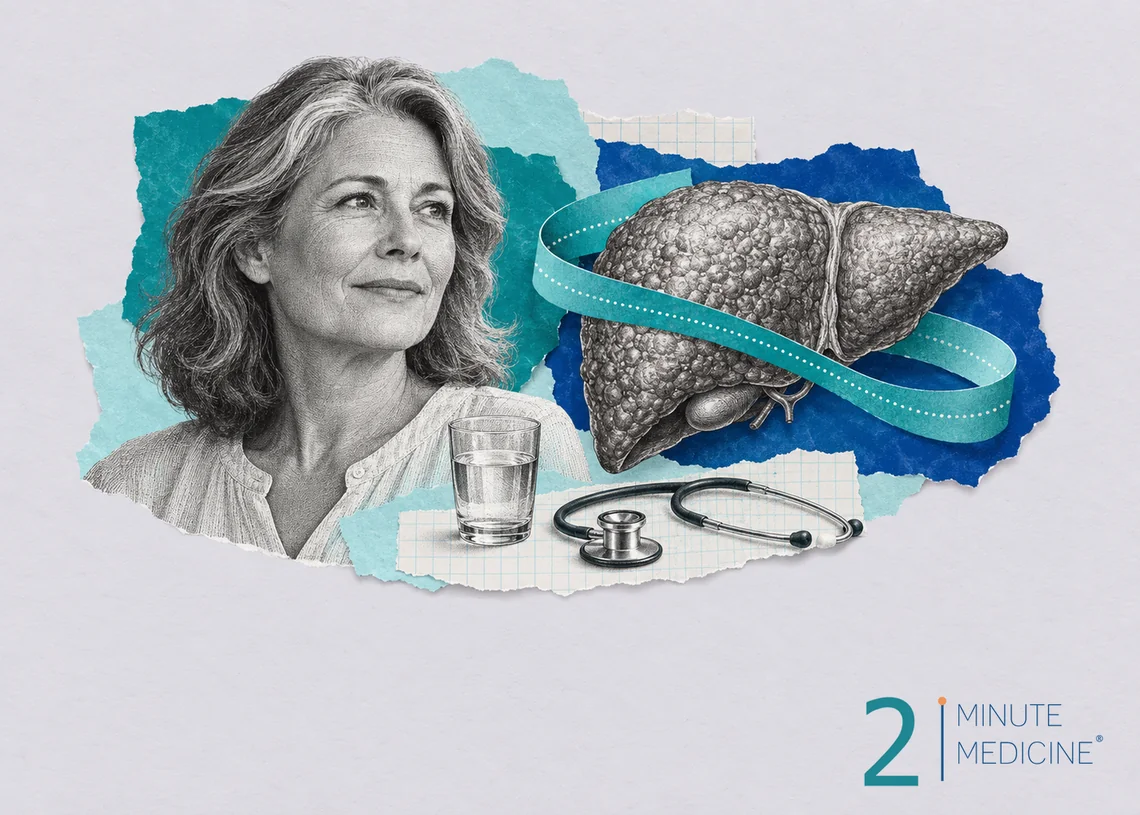
Cirrhosis is severe scarring of the liver that builds up after years of damage. Scar tissue replaces healthy liver tissue and blocks blood flow, so the liver slowly loses its ability to work. Treating the cause can slow or stop the damage. Because early cirrhosis often causes no symptoms, regular check-ups matter if you have a liver condition.
Key points
- The most common causes are long-term heavy drinking, fatty liver disease linked to weight and diabetes, and hepatitis B or C.
- Early on there may be no signs. Later signs include tiredness, itching, yellow skin or eyes, a swollen belly and confusion.
- Stopping alcohol, curing hepatitis C and losing extra weight can keep cirrhosis from getting worse.
- People with cirrhosis need a liver cancer check every 6 months and tests for swollen veins that can bleed.
- Vomiting blood, black stools, new confusion, or fever with belly pain need emergency care.
What causes cirrhosis
The liver cleans toxins from the blood, makes proteins and helps you digest food. When it is hurt again and again, it heals with scar tissue. Over years the scars link up and form lumps (nodules), and that is cirrhosis. Doctors also call long-term liver damage chronic liver disease (CLD), and cirrhosis is its most advanced stage.
- Alcohol-related liver disease from heavy drinking over many years
- Fatty liver disease, now called MASLD (metabolic dysfunction-associated steatotic liver disease) and once called NAFLD. It is linked to obesity, type 2 diabetes and high cholesterol.
- Chronic hepatitis B or C, viruses spread through blood, sex or from mother to baby
- Autoimmune hepatitis, when the immune system attacks the liver
- Bile duct diseases, such as primary biliary cholangitis and primary sclerosing cholangitis
- Inherited conditions, such as hemochromatosis (too much iron), Wilson disease (too much copper) and alpha-1 antitrypsin deficiency
- Others, including long-term heart failure and some medicines
Many people have more than one cause, such as drinking along with hepatitis C or fatty liver, which speeds up the damage.
Symptoms of cirrhosis
For years, cirrhosis may cause no symptoms or only vague ones, such as tiredness, weakness, poor appetite, nausea, weight loss and itchy skin. As the liver fails, signs of liver disease become clearer:
- Yellow skin and eyes (jaundice) and dark urine
- A swollen belly from fluid (ascites) and swollen legs
- Bruising or bleeding easily
- Small spider-like blood vessels on the skin and red palms
- Muscle loss, especially in the arms and shoulders
- Confusion, sleepiness, mood changes or hand tremor, from toxins the liver can’t clear (hepatic encephalopathy)
- Vomiting blood or passing black, tarry stools, from swollen veins in the food pipe or stomach (varices)
How cirrhosis is diagnosed
- Blood tests check liver enzymes, bilirubin, clotting, platelets and albumin, a protein the liver makes. A low albumin level or a low platelet count can be a sign of advanced scarring. Other blood tests look for the cause, such as hepatitis or too much iron.
- Imaging with ultrasound, CT or MRI shows the shape of the liver, fluid in the belly and liver tumors.
- Liver stiffness tests use a painless ultrasound probe (transient elastography, often called FibroScan) or MRI to measure how stiff, and so how scarred, the liver is.
- Liver biopsy, taking a small piece of liver with a needle, is needed only when other tests don’t give a clear answer.
- Upper endoscopy, a thin camera passed down the throat, checks for varices.
Doctors use scores such as MELD, based on blood tests, to rate how severe cirrhosis is and to rank people on the transplant list.
Treatment
Treating the cause
- Stop drinking alcohol completely. Counseling, support groups and medicines can help. For free, confidential help, call the SAMHSA National Helpline at 1-800-662-4357.
- Hepatitis C is cured in more than 95 out of 100 people with 8 to 12 weeks of antiviral pills.
- Hepatitis B is controlled with antiviral pills such as tenofovir or entecavir.
- Fatty liver disease improves with weight loss, regular activity and good control of diabetes and cholesterol.
- Other causes have their own treatments, such as steroids for autoimmune hepatitis, ursodiol for primary biliary cholangitis, and regular blood removal for hemochromatosis.
Managing complications
- Fluid buildup. A low-salt diet and water pills (diuretics), such as spironolactone and furosemide, help. Large amounts of fluid can be drained with a needle.
- Varices. Beta-blocker pills such as carvedilol, and tiny rubber bands put on the veins during endoscopy, lower the risk of bleeding.
- Confusion. Lactulose, a syrup that clears toxins through the bowel, helps. Some people also take the antibiotic rifaximin.
- Infection. Antibiotics treat infection of the belly fluid, and some people take them to prevent it.
- Liver cancer screening. An ultrasound every 6 months, often with a blood test, finds cancer early.
Liver transplant
For advanced cirrhosis, a liver transplant can save a life. A transplant center checks your overall health, support at home, and whether you have stopped drinking. Ask early whether you should be referred.
Living with cirrhosis
- Avoid all alcohol.
- Ask before taking any medicine or supplement. Skip ibuprofen, naproxen and aspirin unless your doctor says otherwise, because they can harm the kidneys and cause bleeding. Acetaminophen in limited amounts is often safer, but check your limit with your doctor.
- Avoid sleeping pills and opioids when you can, because they can bring on confusion.
- Eat enough protein, have small meals often, and add a snack before bed. Limit salt if you have fluid buildup.
- Don’t eat raw oysters or other raw shellfish, which can carry dangerous bacteria.
- Get vaccines against hepatitis A and B, flu and pneumonia.
- Weigh yourself daily if you have fluid buildup, and report fast gains.
Get emergency care if you have
- Vomiting of blood or material that looks like coffee grounds
- Black, tarry or bloody stools
- New confusion, extreme sleepiness or trouble waking
- Fever, belly pain or tenderness, especially with a swollen belly
- Very little urine or yellowing that gets worse quickly
Common questions about cirrhosis
Can cirrhosis be reversed?
Early scarring can improve when the cause is removed, for example after hepatitis C is cured or a person stops drinking. Advanced cirrhosis usually doesn’t go away, but treatment can keep it from getting worse for many years. Even after recovery, the risk of liver cancer stays, so screening continues.
What is the life expectancy with cirrhosis?
It depends on how much the liver still works and whether the cause is treated. People without complications, whose liver is still coping, often live many years. Once fluid buildup, bleeding or confusion appear, the outlook is much more serious, and a liver transplant may be the best option. Your doctor can explain your own scores.
Can high liver enzymes mean cirrhosis?
Raised liver enzymes show that liver cells are being injured, but they don’t prove cirrhosis. Fatty liver, alcohol, medicines and hepatitis can all raise them. People with cirrhosis can even have normal enzymes. Your doctor may order more blood tests, an ultrasound or a liver stiffness test to check for scarring.
What happens in the final stages of cirrhosis?
In end-stage liver disease, the liver can no longer keep up. People may have deep jaundice, fluid in the belly, confusion, bleeding and kidney failure, and spend more time sleeping. Palliative care can ease symptoms at any stage, and hospice can support people and families near the end of life.
Questions to ask your doctor
- What caused my cirrhosis, and can the cause be treated?
- How advanced is it, and what do my scores mean?
- Which medicines, pain relievers and supplements should I avoid?
- How often do I need cancer screening and endoscopy?
- Should I be evaluated for a liver transplant?
Learn more
- Cirrhosis (National Institute of Diabetes and Digestive and Kidney Diseases)
- Cirrhosis (MedlinePlus, U.S. National Library of Medicine)
This guide is general information and doesn’t replace advice from your own doctor. Last updated October 2026.
RelatedReports






 Get the app