

Patient Basics: Chronic Prostatitis
Chronic prostatitis is long-lasting pain in the pelvic area of men, often with bladder symptoms. Most of the time no infection is found, and doctors call it chronic prostatitis/chronic pelvic pain syndrome (CP/CPPS). A smaller group has a bacterial infection of the prostate that keeps coming back. The condition isn’t cancer and doesn’t lead to cancer, and a mix of treatments helps most men feel better.
Key points
- Prostatitis is the most common urinary problem in men younger than 50.
- Typical symptoms are pain between the scrotum and anus, in the testicles, penis or lower belly, and pain after ejaculation.
- Symptoms often come and go over months.
- Antibiotics help only when bacteria are found. Repeated courses don’t help pain without infection.
- Pelvic floor physical therapy, medicines for urinary symptoms and stress management help many men.
The prostate
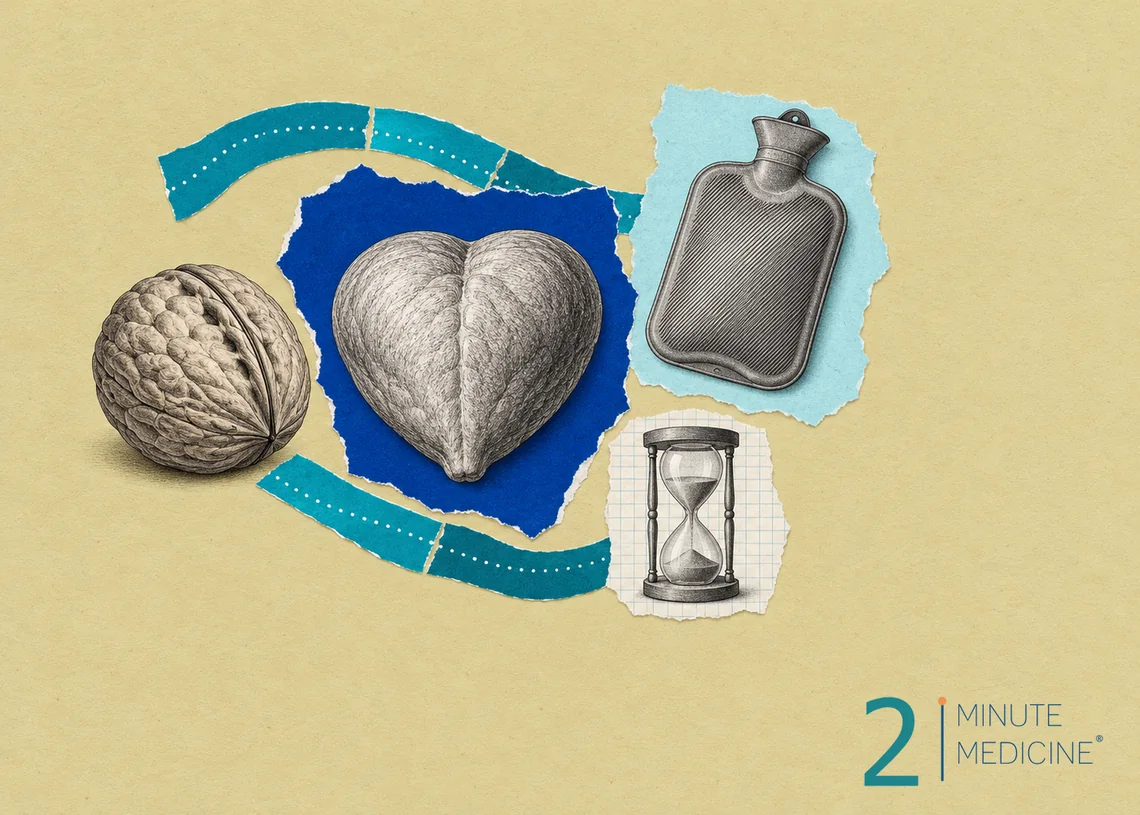
About the size of a walnut, the prostate lies right under the bladder. Urine leaving the bladder passes through the middle of it in a channel called the urethra. The prostate adds fluid to semen. Swelling and irritation (inflammation) of the prostate gland is called prostatitis. Around it is a sling of muscles called the pelvic floor, which supports the bladder and bowel.
Types of prostatitis
- Acute bacterial prostatitis. A sudden infection with fever, chills and painful urination. It needs prompt treatment and is not the subject of this guide.
- Chronic bacterial prostatitis. Bacteria settle in the prostate and cause repeated bladder infections with the same germ, often with milder pelvic pain between flare-ups.
- Chronic pelvic pain syndrome. This is by far the most common type. Pain lasts at least 3 months, and tests don’t find an ongoing infection. Older names for it include chronic nonbacterial prostatitis, abacterial prostatitis and prostadynia.
Some men have inflammation in the prostate with no symptoms at all. It’s usually found by chance during tests for something else and doesn’t need treatment.
What causes chronic prostatitis
Chronic bacterial prostatitis usually follows a urinary infection that reaches the prostate. Germs can hide there and come back after antibiotics stop.
The cause of chronic pelvic pain syndrome isn’t fully understood. Several things seem to play a part, and they differ from man to man:
- Tight, tender pelvic floor muscles that stay tense instead of relaxing
- Nerves in the pelvis that have become extra sensitive to pain
- Inflammation in the prostate or bladder
- A past infection or injury
- Stress, anxiety and poor sleep, which can make pain stronger and longer-lasting
Prostatitis without infection doesn’t spread to sex partners.
Symptoms
- Pain or aching in the area between the scrotum and anus (perineum)
- Pain in the testicles, the tip of the penis, the lower belly or the lower back
- Pain during or after ejaculation
- Needing to pee often or urgently, including at night
- A weak stream, or burning when you pee
- A feeling of pressure over the bladder
- Erection problems
Sitting for long periods, cycling, stress and some foods or drinks can bring on flare-ups. Long-lasting pain can also affect mood, sleep and relationships.
How it’s diagnosed
No single test confirms chronic prostatitis. Your doctor will ask about your symptoms and may give you a short questionnaire to score them. Other steps may include:
- An exam of the belly, groin and scrotum, and a gentle exam of the prostate with a gloved finger through the rectum. This also checks for tight or tender pelvic muscles.
- Urine tests and cultures, sometimes collected before and after the doctor massages the prostate, to look for bacteria hiding there
- Tests for sexually transmitted infections
- A check of how well you empty your bladder, using a quick ultrasound after you pee
- A PSA blood test in some men. Inflammation can raise PSA, so the result needs careful reading.
- Cystoscopy, a look inside the bladder with a thin scope, if there’s blood in the urine or another warning sign
Treatment
Treatment is matched to your symptoms, and combining several approaches works better than relying on one. It can take a few months to find the right mix.
Chronic bacterial prostatitis
This is treated with antibiotics that reach into the prostate, such as levofloxacin or trimethoprim-sulfamethoxazole, usually for 4 to 6 weeks. If infections keep returning, a longer, low-level course may be used.
Chronic pelvic pain syndrome
- Pelvic floor physical therapy. A specially trained therapist teaches you to relax the pelvic muscles and works on tight spots. This is one of the most helpful treatments.
- Alpha-blockers such as tamsulosin or alfuzosin relax muscle around the prostate and bladder outlet, easing urinary symptoms. They seem to work best for men whose symptoms started recently.
- Pain relievers such as ibuprofen, used for short periods during flare-ups
- Medicines for nerve pain, such as amitriptyline, for pain that lasts
- Tadalafil can ease urinary symptoms and erection problems in some men.
- A single course of antibiotics is sometimes tried early on. If it doesn’t help, more courses are unlikely to.
- Acupuncture eased symptoms in clinical trials and is an option for some men.
- Talk therapy such as cognitive behavioral therapy helps with the stress, worry and low mood that often come with long-lasting pain.
Some men try plant supplements such as quercetin or rye grass pollen extract. The evidence for them is limited, so ask your doctor first. Surgery on the prostate is rarely helpful for this condition.
Living with chronic prostatitis
- Take breaks from sitting, or use a cushion with a cut-out or a soft ring.
- Cut back on cycling, or try a split or wider saddle.
- Soak in a warm bath, or use a heating pad on the lower belly or perineum.
- Notice whether caffeine, alcohol or spicy food sets off flare-ups, and cut back if so.
- Stay active. Walking and other regular exercise can ease symptoms.
- Look after your sleep and find ways to manage stress.
Symptoms often ease over time, even if they don’t go away completely.
When to see a doctor
- Pain in the pelvis, perineum, testicles or penis that lasts or keeps coming back
- Pain with ejaculation
- Changes in how you pee
- Repeated bladder infections
Get care right away for fever and chills with painful urination, being unable to pass urine, or blood in your urine.
Common questions about chronic prostatitis
What do white blood cells in urine mean?
They usually point to inflammation or infection somewhere in the urinary tract, such as the bladder, kidneys or prostate. In chronic bacterial prostatitis, urine collected after a prostate massage may show white cells and bacteria. Many men with chronic pelvic pain syndrome have normal urine, so a normal result doesn’t rule it out.
Why does it burn when I pee?
The most common causes are a bladder infection or a sexually transmitted infection, and both need testing and usually antibiotics. In men, burning that keeps coming back along with pelvic pain can come from chronic prostatitis. Burning with fever and chills needs care the same day.
Can chronic prostatitis cause cancer?
No. Chronic prostatitis isn’t cancer and isn’t known to lead to it. It can raise your PSA level for a while, so a high PSA during a flare-up may need repeating after treatment before any decision about cancer testing.
Questions to ask your doctor
- Is there any sign of infection in my prostate?
- Could my pelvic floor muscles be part of the problem?
- Would physical therapy help, and can you refer me?
- Which medicine should I try first, and how long before I know if it works?
- Should my PSA be checked again once things settle?
Learn more
- Prostatitis: inflammation of the prostate (National Institute of Diabetes and Digestive and Kidney Diseases)
This guide is general information and doesn’t replace advice from your own doctor. Last updated October 2026.






 Get the app