

Patient Basics: Concussion
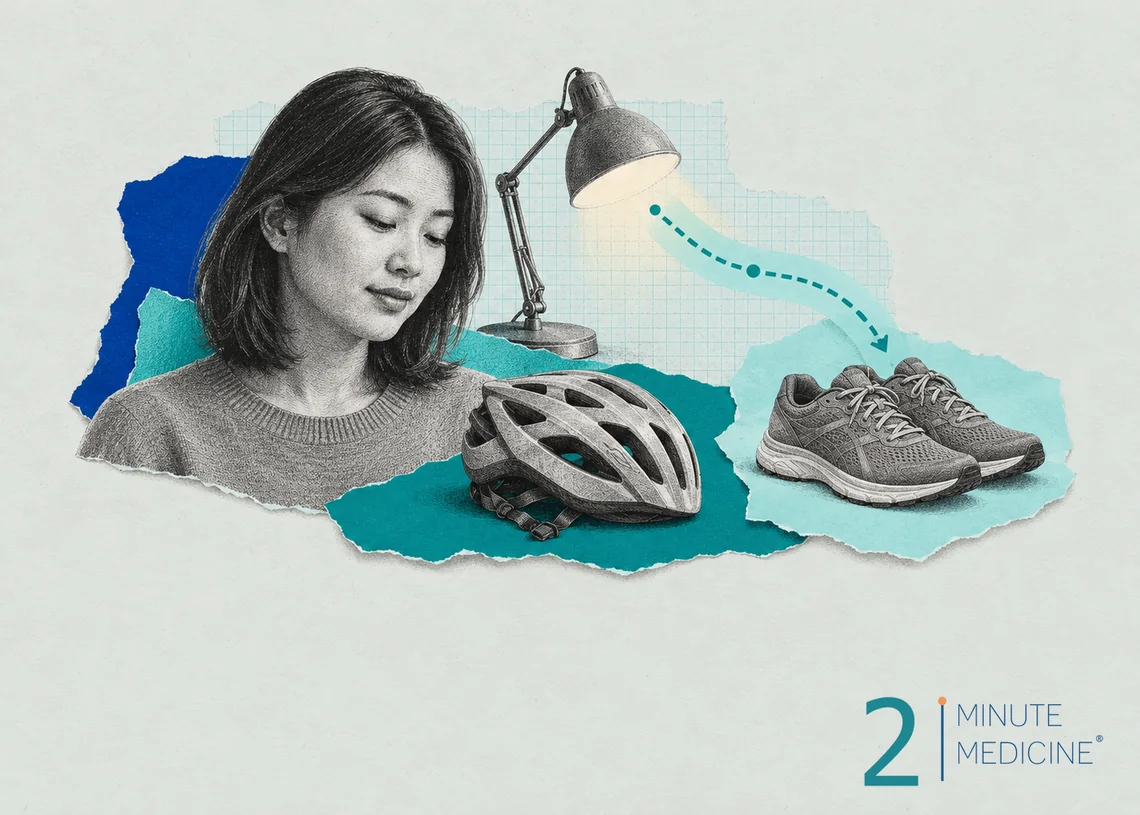
A concussion is a mild brain injury caused by a blow to the head, or a hard jolt to the body, that shakes the brain inside the skull. It can cause headache, dizziness, foggy thinking and memory gaps, even if you never pass out. Most people feel better within a few days to a few weeks. Rest at first, then a slow return to normal activity, helps the brain heal.
Key points
- Falls, car crashes, sports and assaults are the most common causes.
- Most people with a concussion don’t lose consciousness.
- A concussion doesn’t show up on a CT scan. Scans are used to look for bleeding or other serious injury.
- Avoid alcohol, contact sports and activities that risk another head injury until you have fully recovered.
- Older adults and anyone taking blood thinners should be checked by a doctor after any head injury.
What happens in a concussion
The brain is soft and floats in fluid inside the skull. A sudden hit or jolt makes it move fast and twist. This stretches nerve cells and upsets how they work and use energy for a while. Nothing is usually torn or bleeding, which is why normal scans are expected. A second blow before the brain has healed can cause worse and longer-lasting symptoms.
Concussion symptoms
Symptoms may start right away or over the next day or two.
- Physical: headache, dizziness, nausea, poor balance, blurry vision, and being bothered by light or noise
- Thinking: feeling foggy or slowed down, trouble concentrating, not remembering the injury or the minutes around it, and forgetting new information
- Mood: irritability, sadness, anxiety or being more emotional than usual
- Sleep: sleeping more or less than usual, or trouble falling asleep
Someone watching may notice that the injured person looks dazed, answers slowly, repeats questions or is clumsy.
Get emergency care
Call 911 or go to an emergency department if, after a head injury, a person:
- Lost consciousness, even briefly
- Has a headache that gets worse and won’t go away
- Vomits more than once
- Is very drowsy or can’t be woken up
- Has one pupil larger than the other
- Has slurred speech, weakness, numbness or poor coordination
- Has a seizure
- Becomes more confused, restless or agitated
- Has clear fluid leaking from the nose or ears
These can be signs of bleeding in or around the brain. If a neck injury is possible, don’t move the person; wait for emergency help.
Concussion in older adults
Falls cause most head injuries in people over 65. As we age, the brain shrinks a little and the small veins around it stretch, so they tear more easily. Bleeding can build slowly, over days or even weeks, especially in people who take blood thinners such as warfarin, apixaban or rivaroxaban.
Signs in older adults can be subtle. Watch for new confusion, more forgetfulness, extra sleepiness, a headache that lingers, unsteady walking or more falls. Any older adult who hits their head, or anyone on a blood thinner, should be seen the same day, even if they seem fine.
How a concussion is diagnosed
A doctor asks how the injury happened and about symptoms, then checks memory, attention, balance, eye movements and nerve function. Athletes may compare results with a baseline test done before the season. A CT scan is done when there are warning signs, when the person is older or on a blood thinner, or when the injury was severe. Some emergency departments also use a blood test that helps decide who needs a CT scan.
How a concussion is treated
- Rest for the first day or two. Take it easy and cut down on screens, reading and noisy places if they make symptoms worse.
- Then get gently active. Short walks and light daily tasks that don’t make symptoms much worse help recovery. Complete bed rest for many days can slow it down.
- Return to school or work in steps. Start with shorter days, extra breaks or lighter work if needed.
- Return to sports in stages, and only after symptoms are gone and a doctor has cleared you. Contact sports come last.
- Treat the headache. Acetaminophen is often suggested first. Ask before taking ibuprofen or aspirin.
- Protect your sleep. Keep regular bedtimes and avoid naps late in the day.
- Don’t drive until your thinking, reaction time and vision are back to normal.
Concussion recovery
Most adults recover within 2 weeks. Children and teens can take up to about 4 weeks. Some people have symptoms for longer, such as headaches, dizziness, trouble concentrating, poor sleep or low mood. This is called persistent post-concussive symptoms. Treatments that target each problem help, including physical therapy for dizziness and balance, headache care, help with sleep, and counseling. If low mood brings thoughts of harming yourself, call or text 988.
Lowering your risk
- Wear a helmet for biking, skiing, skating, riding a scooter or motorcycle, and contact sports.
- Always wear a seat belt.
- Reduce fall risks at home: good lighting, grab bars, no loose rugs, and a medicine and vision review.
- Follow sports rules on tackling and heading, and sit out after any suspected concussion.
Common questions about concussion
Can you drink alcohol with a concussion?
No, it’s best not to. Alcohol can make headaches, dizziness, poor sleep and low mood worse, and it can hide signs that the injury is getting worse. It also raises the chance of a fall and a second head injury. It may slow the brain’s healing too.
How long after a concussion can you drink alcohol?
Wait until all your symptoms are gone and you are back to your usual activities, then check with your doctor. For many adults that is around 2 weeks, but it can take longer. If drinking brings symptoms back, stop and wait longer.
Can a concussion cause short-term memory loss?
Yes. Many people don’t remember the injury or the minutes before and after it. For days or weeks, it can also be hard to remember new things, such as a conversation or where you put your keys. This usually improves as the brain heals.
Can a concussion cause a stroke or paralysis?
A concussion itself doesn’t cause a stroke or paralysis. But the same accident can tear a blood vessel in the neck, cause bleeding in the brain or injure the spine. Sudden weakness, numbness, a drooping face or trouble speaking after a head injury needs a 911 call.
Questions to ask your doctor
- Do I need a scan?
- Which symptoms mean I should come back right away?
- When can I go back to work, school, driving or sports?
- Which pain medicines are OK for me to take?
- What should I do if my symptoms last more than a few weeks?
Learn more
- Concussion (MedlinePlus, U.S. National Library of Medicine)
- HEADS UP to concussion (Centers for Disease Control and Prevention)
This guide is general information and doesn’t replace advice from your own doctor. Last updated October 2026.
RelatedReports






 Get the app