

Patient Basics: Heart Failure
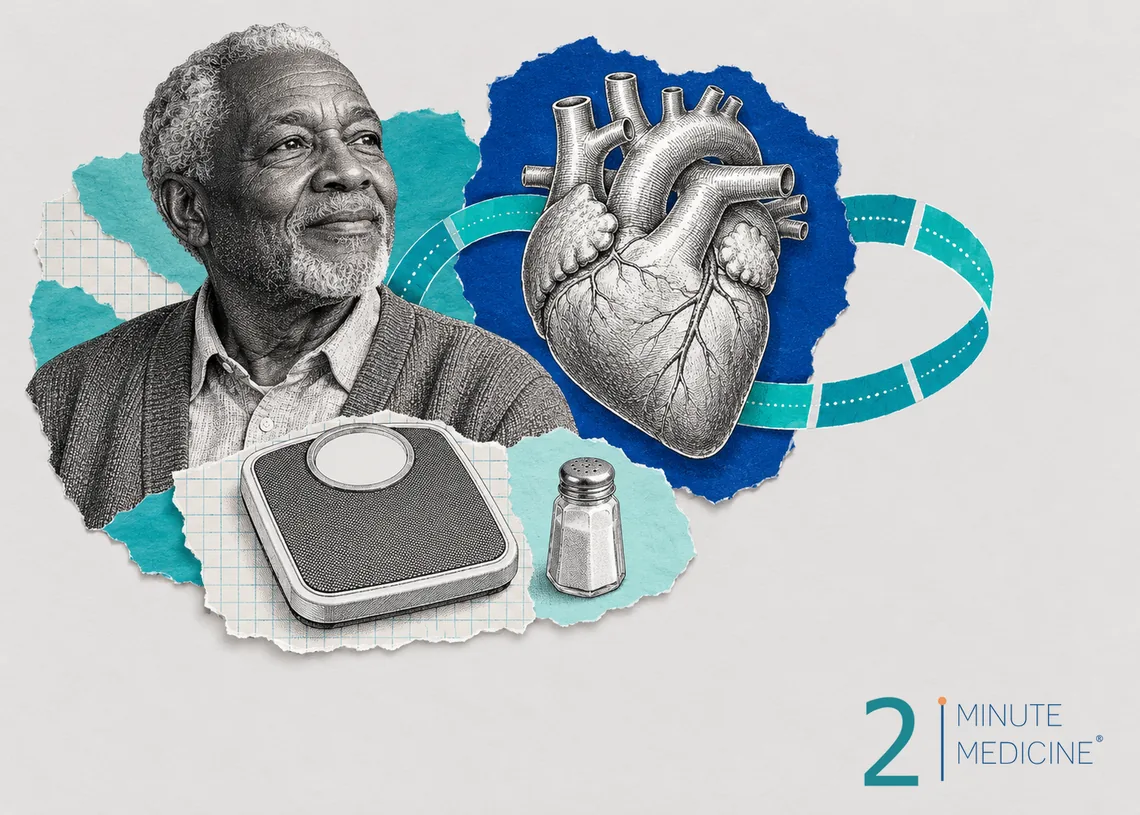
Heart failure means the heart muscle can’t pump as well as the body needs. The heart keeps beating, but it is too weak or too stiff to keep up, so fluid backs up into the lungs, legs and belly. It is a long-term condition. Treatment today helps most people breathe easier, stay out of the hospital and live longer.
Key points
- Early signs include getting out of breath with light activity or when lying flat, feeling tired, and swollen feet, ankles or legs.
- Coronary artery disease, past heart attacks, high blood pressure and diabetes cause most cases.
- An ultrasound of the heart (echocardiogram) and a blood test called BNP are the main tests.
- Most people take several medicines together. Each one helps in a different way.
- Weigh yourself every morning. A quick weight gain is often the first sign of fluid building up.
Types of heart failure
- Left-sided heart failure is the most common type. The left side pumps blood out to the body. When it fails, fluid backs up into the lungs.
- Right-sided heart failure means the right side can’t push blood into the lungs well, so fluid collects in the legs, belly and liver. Left-sided failure is the usual cause. Lung disease can also lead to it.
- Congestive heart failure (CHF) is an older name for heart failure with fluid buildup (congestion). Most people use the two terms to mean the same thing.
Your doctor may mention your ejection fraction, the share of blood the left side pumps out with each beat. Normal is about 50% to 70%. A low number (40% or less) means the muscle is weak. With a normal number, the muscle squeezes well but is too stiff to fill properly. Both types cause the same symptoms.
What causes heart failure
- Coronary artery disease and heart attacks. Narrowed arteries starve the heart muscle, and a heart attack leaves scar tissue that can’t pump.
- High blood pressure. Years of pumping against high pressure make the heart wall thick and stiff.
- Diabetes and obesity. Both harm blood vessels and the heart muscle.
- Heart valve disease. A narrow or leaky valve makes the heart work harder.
- Cardiomyopathy (weak heart muscle). Genes, viral infections, heavy drinking, stimulant drugs, some cancer treatments and, rarely, pregnancy can damage the muscle.
- Other causes. A heart rhythm that races for weeks (such as atrial fibrillation), sleep apnea, thyroid disease and severe anemia can also play a part.
Early signs and symptoms of heart failure
Symptoms often start slowly, so people blame age or being out of shape. Look out for:
- Shortness of breath on stairs or during activity that used to be easy
- Needing extra pillows at night, or waking up short of breath
- Feeling tired and weak
- Swelling (edema) in the feet, ankles, legs or belly
- Gaining a few pounds over a few days
- A lasting cough, sometimes with pink, foamy mucus
- Poor appetite or feeling full quickly
- A fast or pounding heartbeat
Signs that heart failure is getting worse
When symptoms flare, doctors call it decompensated heart failure. Two of the clearest warning signs are fast weight gain and more shortness of breath than usual. Others are more swelling and having to sleep sitting up. Call your care team if you gain more than 2 to 3 pounds in a day or 5 pounds in a week. Acting early can often keep you out of the hospital.
Stages of heart failure
US doctors use four stages, A to D. Treatment aims to keep you from moving to the next one.
- Stage A. You are at risk because of high blood pressure, diabetes or a similar condition.
- Stage B. Tests show changes in the heart, but you have no symptoms.
- Stage C. You have, or have had, symptoms.
- Stage D. Symptoms limit daily life even with full treatment.
Doctors also grade how much symptoms limit you, from class I (no limits) to class IV (symptoms even at rest). Your class can get better with treatment. Your stage never moves backward.
How heart failure is diagnosed
- Exam. Your doctor listens to your heart and lungs and looks for swelling.
- Blood tests. BNP or NT-proBNP levels rise when the heart is stretched. Other tests check the kidneys, liver and thyroid.
- Echocardiogram. This ultrasound shows the heart’s size, the valves and how well it pumps. It is the key test.
- Electrocardiogram (ECG) and chest X-ray. These show the heart’s rhythm, signs of an old heart attack and fluid in the lungs.
- Other tests may include a stress test, a heart MRI or a cardiac catheterization to look for blocked arteries.
Heart failure treatment
Medicines
When the heart muscle is weak, doctors usually combine four kinds of medicine:
- Sacubitril-valsartan (Entresto), or an ACE inhibitor or ARB, to relax blood vessels
- A beta-blocker such as carvedilol, metoprolol succinate or bisoprolol, to slow the heart and help it recover
- Spironolactone or eplerenone, to block a hormone that causes salt buildup and scarring
- An SGLT2 inhibitor such as dapagliflozin or empagliflozin, which protects the heart and kidneys with or without diabetes
Water pills (diuretics) such as furosemide remove extra fluid and ease swelling and breathing. When the heart is stiff, SGLT2 inhibitors and diuretics are the main medicines, and some people add spironolactone or finerenone. For people with obesity, weight-loss medicines such as semaglutide can ease symptoms. Don’t stop a medicine on your own, even if you feel better.
Devices and surgery
- Implantable defibrillator (ICD). This small device shocks the heart back to a normal rhythm if a dangerous rhythm starts.
- Cardiac resynchronization therapy (CRT). A special pacemaker helps both sides of the heart beat together.
- Fixing the cause. This may mean a stent or bypass surgery for blocked arteries, or a valve repair.
- Advanced heart failure. Options include an implanted pump (left ventricular assist device, or LVAD) or a heart transplant. Palliative care helps with symptoms and planning at any stage.
Living with heart failure
- Weigh yourself each morning before breakfast and write it down.
- Cut back on salt. Salt makes the body hold water. Packaged, canned and restaurant foods have the most.
- Ask about fluids. Some people need to limit how much they drink.
- Stay active. Walking and cardiac rehab build strength.
- Don’t smoke, and limit alcohol.
- Keep up with vaccines for flu, COVID-19, pneumonia and RSV.
- Ask before taking ibuprofen or naproxen. They can make the body hold fluid.
Keeping blood pressure, blood sugar and cholesterol in range also lowers the risk of heart failure in the first place.
When to see a doctor
See your doctor if you get out of breath more easily than before, your legs swell, or your heart races or skips. Call 911 for chest pain, severe shortness of breath, fainting, or coughing up pink, foamy mucus.
Common questions about heart failure
Is heart failure the same as a heart attack?
No. A heart attack happens when a blocked artery suddenly cuts off blood to part of the heart. Heart failure is a long-term problem with how well the heart pumps or fills. A heart attack can damage the muscle enough to cause heart failure later.
How long can you live with congestive heart failure?
It varies a great deal. Many people live for years, even decades, especially when it is found early and they take the full set of medicines. Your outlook depends on the cause, your age, your other health problems and how you respond to treatment.
Can heart failure be reversed?
Sometimes. When the cause can be fixed, such as a racing heart rhythm, heavy drinking, a thyroid problem or a bad valve, the heart can recover. Many people with a weak heart see their pumping improve on medicines. Keep taking them, because stopping can let the weakness return.
Questions to ask your doctor
- What type of heart failure do I have, and what is my ejection fraction?
- What caused it?
- Which medicines should I take, and how will you adjust them?
- How much salt and fluid should I have each day?
- How much weight gain should make me call you?
Learn more
- Heart failure (National Heart, Lung, and Blood Institute)
- Heart failure (MedlinePlus, U.S. National Library of Medicine)
This guide is general information and doesn’t replace advice from your own doctor. Last updated October 2026.
RelatedReports






 Get the app