• About
  • Masthead
  • License Content
  • Advertise
  • Press Releases
  • Newsroom
  • RSS/Email List
  • 2MM Podcast
  • Write for us
  • Contact Us
2 Minute Medicine
No Result
View All Result

No products in the cart.

Sign in
SUBSCRIBE
  • About
  • Specialties
    • All Specialties, All Recent Reports
    • Cardiology
    • Chronic Disease
    • Dermatology
    • Emergency
    • Endocrinology
    • Gastroenterology
    • Imaging and Intervention
    • Infectious Disease
    • Nephrology
    • Neurology
    • Obstetrics
    • Oncology
    • Ophthalmology
    • Pediatrics
    • Pharma
    • Preclinical
    • Psychiatry
    • Public Health
    • Pulmonology
    • Rheumatology
    • Surgery
    • Rewinds
    • The Scan
  • EvidencePulse™
  • HypeCheck™
  • AI News
  • Classics™
    • 2MM+ Online Access
    • Paperback and Ebook
  • Tools
    • Medical Calculators
    • Clinical Guidelines
    • Physician Pay by Specialty
    • FDA Drug Approvals
    • RVU Search
    • ICD-10 Code Lookup
    • Drug Safety for Breastfeeding/Pregnancy
    • ECG Reference
      • QTc Calculator
      • Sgarbossa Criteria
      • ECG Axis Calculator
      • AV Block Helper
    • NPI Registry Lookup
  • Rankings
    • Medical School Rankings
    • Residency Rankings
  • Partners
    • License Content
    • Advertise with Us
2 Minute Medicine
  • About
  • Specialties
    • All Specialties, All Recent Reports
    • Cardiology
    • Chronic Disease
    • Dermatology
    • Emergency
    • Endocrinology
    • Gastroenterology
    • Imaging and Intervention
    • Infectious Disease
    • Nephrology
    • Neurology
    • Obstetrics
    • Oncology
    • Ophthalmology
    • Pediatrics
    • Pharma
    • Preclinical
    • Psychiatry
    • Public Health
    • Pulmonology
    • Rheumatology
    • Surgery
    • Rewinds
    • The Scan
  • EvidencePulse™
  • HypeCheck™
  • AI News
  • Classics™
    • 2MM+ Online Access
    • Paperback and Ebook
  • Tools
    • Medical Calculators
    • Clinical Guidelines
    • Physician Pay by Specialty
    • FDA Drug Approvals
    • RVU Search
    • ICD-10 Code Lookup
    • Drug Safety for Breastfeeding/Pregnancy
    • ECG Reference
      • QTc Calculator
      • Sgarbossa Criteria
      • ECG Axis Calculator
      • AV Block Helper
    • NPI Registry Lookup
  • Rankings
    • Medical School Rankings
    • Residency Rankings
  • Partners
    • License Content
    • Advertise with Us
Sign in
SUBSCRIBE
2 Minute Medicine
Sign in
Subscribe
2 Minute MedicineFree on Google PlayGet
✦EvidencePulse™by 2 Minute Medicine3 reportsYou askedtop stroke trials 2026Synthesizing medical evidence...Top 2026 stroke trial results:OCEANIC — ischemic stroke: 6.2% vs 8.4%OPTION* — mRS 0–1: 43.6% vs 34.2%ORIENTAL* — mRS 0–2: 58.6% vs 46.6%*Higher sICH in intervention armsParticipants randomizedNOCEANIC12,327OPTION570ORIENTAL564Ask about guidelines or landmark trials...↑Try EvidencePulse™Ask the evidence. Get the signal.Try it now →
Home Health A to Z

Patient Basics: Diabetic Ketoacidosis (DKA)

by2 Minute Medicine
October 30, 2026
in Health A to Z
Reading Time: 5 mins read
Diabetic ketoacidosis collage: a calm young man beside a glucose meter, a capped insulin pen and a glass of water
Share on FacebookShare on TwitterShare on LinkedIn

Diabetic ketoacidosis (DKA) is a dangerous problem of diabetes that happens when the body runs short of insulin. Without insulin, cells can’t use sugar for fuel, so the body breaks down fat instead. This makes acids called ketones, which build up in the blood. DKA can develop within a day and needs emergency treatment, but it is usually preventable.

Key points

  • DKA is most common in type 1 diabetes, but it can also happen in type 2.
  • Missed insulin doses and infections are the most common triggers. DKA is sometimes the first sign that a person has diabetes.
  • Warning signs include strong thirst, peeing a lot, vomiting, belly pain, fast deep breathing and fruity-smelling breath.
  • Check for ketones whenever your blood sugar is high or you are sick.
  • Treatment in the hospital with fluids, insulin and potassium usually clears DKA within a day or two.

What causes diabetic ketoacidosis

Insulin moves sugar from the blood into the cells. When there is too little insulin, sugar piles up in the blood and the body burns fat. The liver turns that fat into ketones faster than the body can clear them, and the blood becomes acidic. High sugar also makes the kidneys pass a lot of urine, which leads to dehydration and loss of salts such as potassium.

Common triggers include:

  • Missed or too little insulin. This can happen from forgetting doses, rationing insulin because of cost, or an insulin pump problem such as a kinked tube or a loose site.
  • Infection or illness. The flu, COVID-19, pneumonia, a urinary tract infection or a stomach bug raise stress hormones, which push blood sugar up and make insulin work less well.
  • Undiagnosed type 1 diabetes. Many children and some adults are first diagnosed when they arrive with DKA.
  • Other stresses on the body, such as a heart attack, stroke, pancreatitis, surgery, injury or pregnancy
  • Some medicines, such as steroids. Diabetes pills called SGLT2 inhibitors (canagliflozin, dapagliflozin, empagliflozin and others) can cause DKA, sometimes with blood sugar that is only a little high.
  • Heavy alcohol use or drugs such as cocaine

Diabetic ketoacidosis symptoms

DKA often comes on over several hours to a day. Early signs:

  • Very strong thirst and a dry mouth
  • Peeing much more than usual
  • High blood sugar readings, often above 250 mg/dL
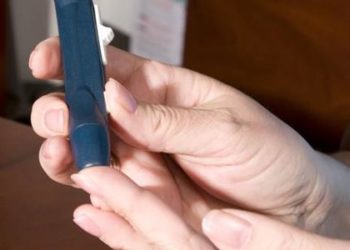
  • Moderate or large ketones on a urine strip or blood ketone meter

Later signs:

  • Nausea, vomiting and belly pain
  • Fast, deep breathing
  • Breath that smells fruity, like nail polish remover
  • Feeling very tired, weak or confused
  • Flushed face and dry skin

In children, belly pain and vomiting can be mistaken for a stomach bug. A child with known diabetes who is vomiting needs a ketone check right away.

RELATED REPORTS

Decline in serum sodium not associated with mental status changes in pediatric diabetic ketoacidosis

Pediatric DKA associated with recent acute care visits

How it’s diagnosed

In the emergency department, blood tests check:

  • Blood sugar
  • Ketones in the blood (or urine)
  • How acidic the blood is, using a blood gas test and bicarbonate level
  • Potassium, sodium and other salts, and kidney function

Doctors also look for the trigger, often with a chest X-ray, urine test, heart tracing (ECG) or tests for infection.

How diabetic ketoacidosis is treated

DKA is treated in the hospital, often in an intensive care unit at first. Treatment includes:

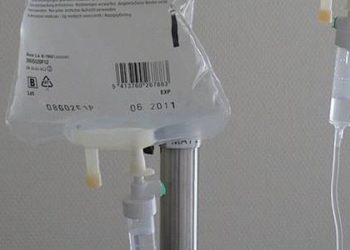
  • IV fluids to replace the water lost through urine and vomiting
  • Insulin, usually through a steady IV drip, to stop ketone production and lower blood sugar
  • Potassium and other salts. Insulin moves potassium into cells, so levels can drop fast and must be watched closely.
  • Treating the trigger, such as antibiotics for an infection

Nurses check blood sugar every hour and blood salts every few hours. Once the acid has cleared and you can eat and drink, you switch back to insulin shots or your pump. Before you go home, the team should review what caused the episode and update your sick-day plan.

A rare but serious complication, mostly in children, is swelling of the brain during treatment. Tell the nurse right away about a new headache, confusion or unusual sleepiness.

Lowering your risk with a sick-day plan

  • Never stop your long-acting (basal) insulin, even if you aren’t eating. You may need more insulin when sick, not less.
  • Check blood sugar every 3 to 4 hours when you are ill.
  • Check ketones if your blood sugar is over 240 mg/dL, or if you are sick or vomiting.
  • Drink plenty of sugar-free fluids. If you can’t eat, sip fluids with some sugar to avoid low blood sugar.
  • If you use a pump and your blood sugar stays high after a correction dose, give insulin by pen or syringe and change your infusion set.
  • Ask your doctor whether to pause an SGLT2 inhibitor when you are sick, and before surgery.
  • Keep unexpired ketone strips and backup insulin at home. If cost is a problem, tell your care team; there are programs that can help.

When to get help

Call your diabetes team if you have trace or small ketones, or blood sugar that stays above 240 mg/dL after extra insulin.

Call 911 or go to the emergency department if you have:

  • Moderate or large ketones
  • Vomiting that keeps you from holding down fluids
  • Fast or deep breathing, or fruity breath
  • Confusion, extreme sleepiness or trouble staying awake
  • Belly pain with high blood sugar

Common questions about diabetic ketoacidosis

Is a blood sugar of 570 an emergency?

It can be. A reading near 570 mg/dL is very high. Check for ketones right away and call your doctor. If ketones are moderate or large, or you are vomiting, breathing fast or confused, go to the emergency department. Very high sugar without ketones can also be dangerous, especially in older adults with type 2 diabetes.

Can people with type 2 diabetes get DKA?

Yes. It is less common than in type 1, but people with type 2 diabetes can get DKA during a serious illness, after a big stress such as surgery, or while taking an SGLT2 inhibitor. Some adults who seem to have type 2 diabetes turn out to have a slow form of type 1.

Can you have DKA with normal blood sugar?

Yes, though it’s uncommon. People taking SGLT2 inhibitors, and sometimes pregnant people or those who eat very little, can have DKA with blood sugar under 250 mg/dL. If you feel sick, nauseated or short of breath on these medicines, check ketones even if your sugar looks fine.

Questions to ask your doctor

  • What caused my DKA, and how can I stop it from happening again?
  • When should I check ketones, and should I use urine strips or a blood meter?
  • Can you write out a sick-day plan for me?
  • Should I keep taking my SGLT2 inhibitor?
  • Are there programs to help me afford insulin and supplies?

Learn more

  • Diabetic ketoacidosis (Centers for Disease Control and Prevention)
  • Diabetic ketoacidosis (MedlinePlus, U.S. National Library of Medicine)

This guide is general information and doesn’t replace advice from your own doctor. Last updated October 2026.

Tags: diabetic ketoacidosis
Previous Post

Patient Basics: Ewing Sarcoma (Ewing’s Sarcoma)

Next Post

Patient Basics: Esophageal Rings and Webs

RelatedReports

Surgical site anesthetic infusion may enhance analgesia after mastectomy
Chronic Disease

Decline in serum sodium not associated with mental status changes in pediatric diabetic ketoacidosis

August 18, 2021
Emergency

Pediatric DKA associated with recent acute care visits

May 20, 2016
Endocrinology

Disparities in type 1 diabetes not explained by socioeconomic status alone

February 16, 2015
Updated USPSTF guidelines favor treatment of mild gestational diabetes
Chronic Disease

Diabetic ketoacidosis prevalent at diagnosis of diabetes in youth

March 31, 2014
Next Post
Endophthalmitis collage: a large engraved eye with a teal ribbon, a clear eye shield, a dropper bottle and a magnifying lens

Patient Basics: Endophthalmitis

Enuresis (bedwetting) collage: a calm young boy in pajamas, a star-shaped nightlight, a folded quilt and a teddy bear

Patient Basics: Bedwetting (Enuresis)

Collage of a calm boy with pleurodynia beside an engraved rib cage with a teal band, a thermometer, a stethoscope and a mug

Patient Basics: Pleurodynia

✦ EvidencePulse™ by 2 Minute Medicine 3 reports You asked top stroke trials 2026 Synthesizing medical evidence... Top 2026 stroke trial results: OCEANIC — ischemic stroke: 6.2% vs 8.4% OPTION* — mRS 0–1: 43.6% vs 34.2% ORIENTAL* — mRS 0–2: 58.6% vs 46.6% *Higher sICH in intervention arms Participants randomizedN OCEANIC 12,327 OPTION 570 ORIENTAL 564 Ask about guidelines or landmark trials... Try EvidencePulse™ Get the signal. Try it now → Physician-trained medical AI by 2 Minute Medicine

2MM+ All Access

Full details →
$4.99 /month

3-day free trial · cancel anytime

  • ✓100+ physician-written reports
  • ✓EvidencePulse™ + HypeCheck™
  • ✓Ad-free reading + newsletters
Start 3-day free trial

Then $4.99/month. Manage renewal in your account.

2 Minute Medicine® is an award winning, physician-run, expert medical media company. Our content is curated, written and edited by practicing health professionals who have clinical and scientific expertise in their field of reporting. Our editorial management team is comprised of highly-trained MD physicians. Join numerous brands, companies, and hospitals who trust our licensed content.

Recent Reports

  • Long-term use of mometasone (Asmanex) in adults with sickle cell disease without formal diagnosis of asthma may worsen disease activity
  • Few patients had ED lumbar CT or MRI within 30 days after low-acuity back-pain radiography at urgent care centers
  • A 34-circular RNA blood signature predicted Alzheimer’s disease progression and improved prediction when combined with pTau217
License Content
Terms of Use | Disclaimer
Cookie Policy

Get the app

Read 2 Minute Medicine on iPhone, iPad and Android.

Download on the App StoreGet it on Google Play
QR code for www.2minutemedicine.com/app
On a computer? Scan this with your phone’s camera.
2MM+ All Access Full details →

The medical literature, distilled daily.

Monthly plan selected: $4.99 /month.

$4.99/month

3-day free trial · cancel anytime

Start 3-day free trial

Then $4.99/month. Manage renewal in your account.

Yearly plan selected: $49.90 /year.

$49.90/year

2 months free

Start 3-day free trial

Then $49.90/year.

Membership benefits

  • ✓100+ new physician-written study summaries monthly, 12,000+ searchable
  • ✓AI EvidencePulse™ + HypeCheck™
  • ✓Ad-free reading + newsletters
  • ✓FDA drug approvals + clinical calculators

Already a member? Sign in

  • Get the app
  • About
  • Specialties
    • All Specialties, All Recent Reports
    • Cardiology
    • Chronic Disease
    • Dermatology
    • Emergency
    • Endocrinology
    • Gastroenterology
    • Imaging and Intervention
    • Infectious Disease
    • Nephrology
    • Neurology
    • Obstetrics
    • Oncology
    • Ophthalmology
    • Pediatrics
    • Pharma
    • Preclinical
    • Psychiatry
    • Public Health
    • Pulmonology
    • Rheumatology
    • Surgery
    • Rewinds
    • The Scan
  • EvidencePulse™
  • HypeCheck™
  • AI News
  • Classics™
    • 2MM+ Online Access
    • Paperback and Ebook
  • Tools
    • Medical Calculators
    • Clinical Guidelines
    • Physician Pay by Specialty
    • FDA Drug Approvals
    • RVU Search
    • ICD-10 Code Lookup
    • Drug Safety for Breastfeeding/Pregnancy
    • ECG Reference
      • QTc Calculator
      • Sgarbossa Criteria
      • ECG Axis Calculator
      • AV Block Helper
    • NPI Registry Lookup
  • Rankings
    • Medical School Rankings
    • Residency Rankings
  • Partners
    • License Content
    • Advertise with Us
No Result
View All Result

© 2026 2 Minute Medicine, Inc. - Physician-written medical news.