• About
  • Masthead
  • License Content
  • Advertise
  • Press Releases
  • Newsroom
  • RSS/Email List
  • 2MM Podcast
  • Write for us
  • Contact Us
2 Minute Medicine
No Result
View All Result

No products in the cart.

Sign in
SUBSCRIBE
  • About
  • Specialties
    • All Specialties, All Recent Reports
    • Cardiology
    • Chronic Disease
    • Dermatology
    • Emergency
    • Endocrinology
    • Gastroenterology
    • Imaging and Intervention
    • Infectious Disease
    • Nephrology
    • Neurology
    • Obstetrics
    • Oncology
    • Ophthalmology
    • Pediatrics
    • Pharma
    • Preclinical
    • Psychiatry
    • Public Health
    • Pulmonology
    • Rheumatology
    • Surgery
    • Rewinds
    • The Scan
  • EvidencePulse™
  • HypeCheck™
  • AI News
  • Classics™
    • 2MM+ Online Access
    • Paperback and Ebook
  • Tools
    • NPI Registry Lookup
    • RVU Search
    • Physician Pay by Specialty
    • ICD-10 Code Lookup
    • FDA Drug Approvals
    • Drug Safety for Breastfeeding/Pregnancy
    • Clinical Guidelines
    • Medical Calculators
    • ECG Reference
      • QTc Calculator
      • Sgarbossa Criteria
      • ECG Axis Calculator
      • AV Block Helper
  • Rankings
    • Medical School Rankings
    • Residency Rankings
  • Partners
    • License Content
    • Advertise with Us
2 Minute Medicine
  • About
  • Specialties
    • All Specialties, All Recent Reports
    • Cardiology
    • Chronic Disease
    • Dermatology
    • Emergency
    • Endocrinology
    • Gastroenterology
    • Imaging and Intervention
    • Infectious Disease
    • Nephrology
    • Neurology
    • Obstetrics
    • Oncology
    • Ophthalmology
    • Pediatrics
    • Pharma
    • Preclinical
    • Psychiatry
    • Public Health
    • Pulmonology
    • Rheumatology
    • Surgery
    • Rewinds
    • The Scan
  • EvidencePulse™
  • HypeCheck™
  • AI News
  • Classics™
    • 2MM+ Online Access
    • Paperback and Ebook
  • Tools
    • NPI Registry Lookup
    • RVU Search
    • Physician Pay by Specialty
    • ICD-10 Code Lookup
    • FDA Drug Approvals
    • Drug Safety for Breastfeeding/Pregnancy
    • Clinical Guidelines
    • Medical Calculators
    • ECG Reference
      • QTc Calculator
      • Sgarbossa Criteria
      • ECG Axis Calculator
      • AV Block Helper
  • Rankings
    • Medical School Rankings
    • Residency Rankings
  • Partners
    • License Content
    • Advertise with Us
Sign in
SUBSCRIBE
2 Minute Medicine
Sign in
Subscribe
2 Minute MedicineFree on Google PlayGet
✦EvidencePulse™by 2 Minute Medicine3 reportsYou askedtop stroke trials 2026Synthesizing medical evidence...Top 2026 stroke trial results:OCEANIC — ischemic stroke: 6.2% vs 8.4%OPTION* — mRS 0–1: 43.6% vs 34.2%ORIENTAL* — mRS 0–2: 58.6% vs 46.6%*Higher sICH in intervention armsParticipants randomizedNOCEANIC12,327OPTION570ORIENTAL564Ask about guidelines or landmark trials...↑Try EvidencePulse™Ask the evidence. Get the signal.Try it now →
Home Health A to Z

Patient Basics: Lung Transplant
by2 Minute Medicine
October 30, 2026
in Health A to Z
Reading Time: 6 mins read
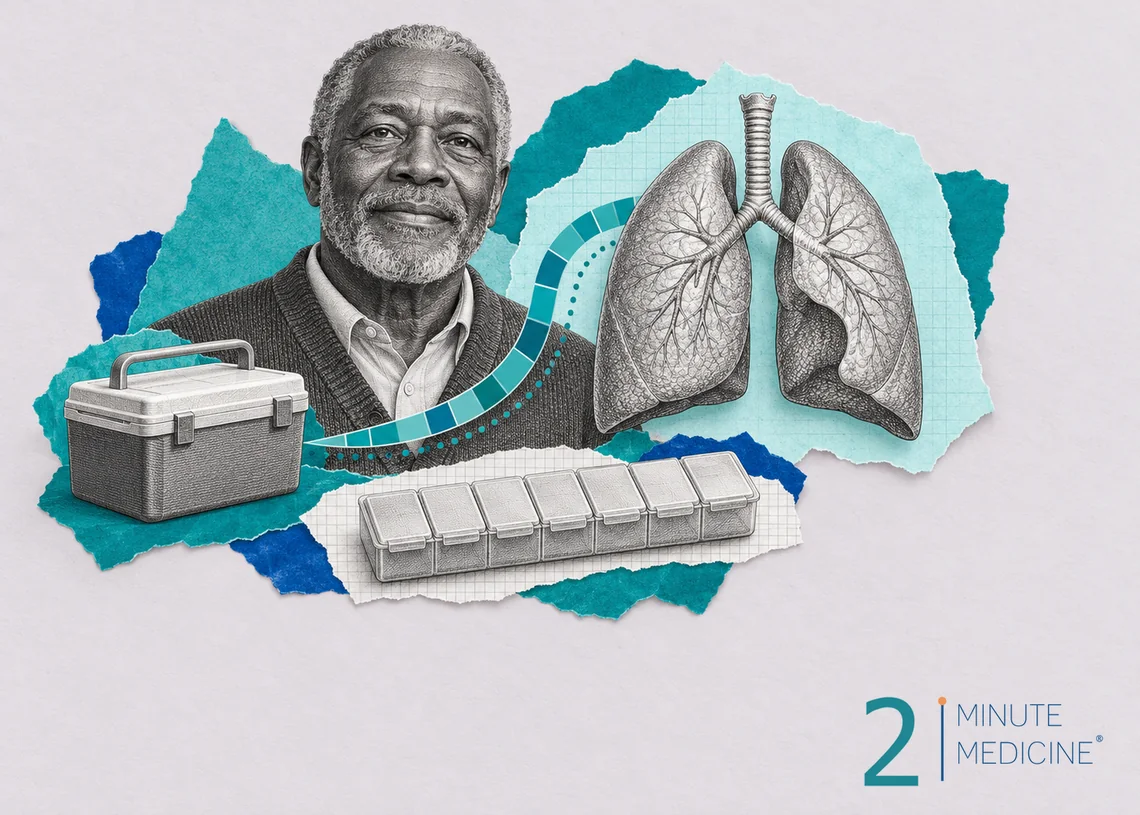
Collage for a lung transplant: an older man in calm profile, engraved lungs, a transport cooler and a pill organizer
Share on FacebookShare on TwitterShare on LinkedIn

A lung transplant is surgery to replace one or both diseased lungs with healthy lungs from a donor who has died. It is offered to people with severe lung disease that keeps getting worse despite the best other treatment. A transplant can add years of life and make breathing much easier, but it means taking anti-rejection medicines and having close medical follow-up for the rest of your life.

Key points

  • Common reasons are pulmonary fibrosis, COPD (emphysema), cystic fibrosis and pulmonary hypertension.
  • A transplant center does a full check of your health, support at home and ability to follow the care plan before you are listed.
  • Most people now get both lungs replaced. Recovery in the hospital usually takes a few weeks.
  • Anti-rejection medicines are needed for life. They raise the risk of infections, kidney problems and some cancers.
  • Call your transplant team right away for fever, new cough or shortness of breath.

Who may need a lung transplant

Doctors consider a transplant when lung disease is severe, getting worse, and likely to shorten life within the next few years. Common conditions include:

  • Pulmonary fibrosis and other interstitial lung diseases, where the lungs become scarred and stiff
  • Cystic fibrosis and other causes of bronchiectasis (widened, damaged airways)
  • Emphysema and other forms of COPD (chronic obstructive pulmonary disease)
  • Pulmonary arterial hypertension (high blood pressure in the lungs)
  • Alpha-1 antitrypsin deficiency, an inherited cause of emphysema
  • Sarcoidosis and lung damage from scleroderma

It’s best to talk about a transplant early, before you are very sick. Being referred too late is a common reason people miss the chance.

What can disqualify you from a lung transplant

Rules differ from one center to another. A transplant may not be possible if you have active cancer, a serious infection, severe heart, liver or kidney disease, or are very frail. You will need to be completely free of smoking, vaping and other drug use, often for at least 6 months. Your weight needs to be in a healthy range, and you need a caregiver who can help you for the first months after surgery.

Getting ready

The evaluation

This happens at a transplant center over several days or visits. Expect:

  • Breathing tests, a walking test and CT scans of the chest
  • Heart tests, often including an echocardiogram and a heart catheterization
  • Blood tests for blood type, tissue type, infections and organ function
  • Cancer screening, a dental check and bone density scan
  • Meetings with a social worker, dietitian, financial counselor and mental health professional

The waiting list

If you are accepted, you join the national waiting list. In the US, donor lungs are matched using a score based on how sick you are, how much you are likely to benefit, your blood type and your body size. Some people get lungs within weeks. Others wait months or longer.

RELATED REPORTS

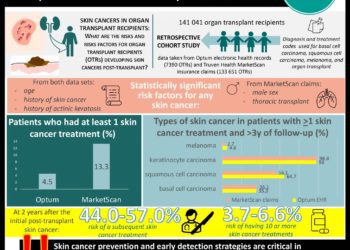
#VisualAbstract Half of the organ transplant recipients who develop skin cancers post-transplant will develop at least another skin cancer within two years

Everolimus treatment effective for improving renal function in lung transplant patients

While you wait, keep your phone on, have a bag packed and a plan for getting to the hospital fast. Take part in pulmonary rehabilitation, an exercise and breathing program, to stay as strong as you can. Keep your vaccines up to date, since some can’t be given after a transplant.

The surgery

When a match is found, you go straight to the hospital. Donor lungs are checked, cooled and carried there in a special container, and some centers first place them on a machine that keeps them warm and breathing so they can be tested. The operation is done under general anesthesia and takes about 4 to 12 hours. The surgeon makes a cut across the chest or along the side, removes the diseased lung, and connects the donor lung to your airway and blood vessels. In a double transplant, the lungs are replaced one at a time. Some people are linked to a machine that does the work of the heart and lungs during the operation.

Afterward you wake up in intensive care with a breathing tube, chest tubes to drain fluid and air, and many monitors. The breathing tube usually comes out within a few days.

Recovery

  • In the hospital: usually 2 to 3 weeks. Therapists get you sitting, walking and doing breathing exercises early.
  • First 3 months: frequent clinic visits, blood tests and lung function tests. Many centers ask you to stay near the hospital at first.
  • Bronchoscopy: a thin camera passed into the airways, sometimes with tiny tissue samples, to check for rejection and infection
  • Home checks: you will measure your breathing each day with a handheld spirometer and keep a log.
  • Rehab: pulmonary rehab helps rebuild strength. Many people return to work, travel and hobbies within months.

Anti-rejection medicines

Your immune system sees the new lungs as foreign and will try to attack them. To prevent this, you take several medicines every day for life, usually tacrolimus, mycophenolate and prednisone. You will also take medicines to prevent certain infections for months after surgery.

Possible side effects include infections, kidney damage, diabetes, high blood pressure, thinning bones and a higher risk of skin cancer and lymphoma. Never skip or change a dose without talking to your team, and check with them before starting any new medicine or supplement.

Possible risks

  • Early problems, such as bleeding, the new lungs not working well at first, or trouble where the airways were joined
  • Acute rejection, which is common in the first year and usually treatable with extra medicine
  • Infections from bacteria, viruses such as CMV, and fungi
  • Chronic rejection, a slow scarring of the small airways that is the main long-term problem after lung transplant

Living with a new lung

  • Take your medicines exactly on time, and keep every lab test and clinic visit.
  • Wash your hands often, avoid people who are sick, and wear a mask in crowded places during cold and flu season.
  • Follow food safety rules. Avoid raw or undercooked meat, eggs and seafood, and unpasteurized foods.
  • Use sunscreen and have regular skin checks.
  • Never smoke or vape.

When to call your transplant team

  • Fever, chills or feeling unwell
  • New or worse cough, shortness of breath or chest pain
  • A drop in your home breathing test results
  • Vomiting or diarrhea that stops you keeping medicines down
  • A missed dose of anti-rejection medicine

Call 911 for severe trouble breathing or chest pain.

Common questions about lung transplants

Can you get a lung transplant if you smoked?

Yes, if you have fully quit. Most centers require you to be free of tobacco, nicotine and vaping for at least several months before listing, and they test to confirm it. Smoking after a transplant damages the new lungs, so staying smoke-free is a lifelong commitment.

Is there an age limit for a lung transplant?

There’s no fixed age cutoff in the US. Many centers accept people in their late 60s, and some in their 70s, if they are otherwise fairly healthy and strong. Overall fitness, other illnesses and support at home matter more than age alone.

How long does a lung transplant last?

Most people survive the first year, and on average people live about 6 years or more after a lung transplant. Some live 20 years or longer. Chronic rejection, which slowly scars the small airways, is the main long-term problem. Taking every medicine on time and keeping all checkups gives the new lungs the best chance.

Can you donate a lung while you’re alive?

Rarely. Almost all donor lungs come from people who have died. In a very uncommon type of living donation, two healthy adults each give one lobe of a lung to the same person. You can sign up as an organ donor through your state’s registry or when you renew your driver’s license.

Questions to ask your doctor

  • Am I a candidate for a lung transplant, and when should I be referred?
  • Would I get one lung or two?
  • How long do people at this center usually wait?
  • What help will I need at home, and for how long?
  • What are the center’s results compared with others?

Learn more

  • Lung transplantation (MedlinePlus, U.S. National Library of Medicine)

This guide is general information and doesn’t replace advice from your own doctor. Last updated October 2026.

Tags: lung transplant
Previous Post

Patient Basics: Leukemia (Overview)

Next Post

Patient Basics: Lupus (Systemic Lupus Erythematosus)

RelatedReports

#VisualAbstract Half of the organ transplant recipients who develop skin cancers post-transplant will develop at least another skin cancer within two years
StudyGraphics

#VisualAbstract Half of the organ transplant recipients who develop skin cancers post-transplant will develop at least another skin cancer within two years

October 29, 2021
Nephrology

Everolimus treatment effective for improving renal function in lung transplant patients

March 4, 2021
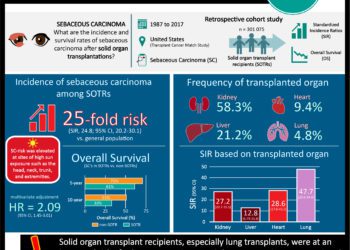
#VisualAbstract: Increased incidence of sebaceous carcinomas among solid organ transplant recipients
StudyGraphics

#VisualAbstract: Increased incidence of sebaceous carcinomas among solid organ transplant recipients

December 10, 2020
Sofosbuvir-velpatasvir shows promise in HCV genotype 2 and 3 infection: The ASTRAL 2-3 study
Chronic Disease

HCV-positive heart and lung transplant likely safe with post-transplant sofosbuvir-velatasivir treatment

April 12, 2019
Next Post
Lactose intolerance collage: a glass of milk, an engraved small intestine, a wedge of hard cheese and a bowl of yogurt

Patient Basics: Lactose Intolerance

Langerhans cell histiocytosis collage: a calm young girl, a branching immune cell, a thigh bone and a toy rabbit

Patient Basics: Langerhans Cell Histiocytosis (Histiocytosis X)

Lead poisoning collage: an old window frame with peeling paint, an old tap with a water drop and wooden toy blocks

Patient Basics: Lead Poisoning

✦ EvidencePulse™ by 2 Minute Medicine 3 reports You asked top stroke trials 2026 Synthesizing medical evidence... Top 2026 stroke trial results: OCEANIC — ischemic stroke: 6.2% vs 8.4% OPTION* — mRS 0–1: 43.6% vs 34.2% ORIENTAL* — mRS 0–2: 58.6% vs 46.6% *Higher sICH in intervention arms Participants randomizedN OCEANIC 12,327 OPTION 570 ORIENTAL 564 Ask about guidelines or landmark trials... Try EvidencePulse™ Get the signal. Try it now → Physician-trained medical AI by 2 Minute Medicine

2MM+ All Access

Full details →
$4.99 /month

3-day free trial · cancel anytime

  • ✓100+ physician-written reports
  • ✓EvidencePulse™ + HypeCheck™
  • ✓Ad-free reading + newsletters
Start 3-day free trial

Then $4.99/month. Manage renewal in your account.

2 Minute Medicine® is an award winning, physician-run, expert medical media company. Our content is curated, written and edited by practicing health professionals who have clinical and scientific expertise in their field of reporting. Our editorial management team is comprised of highly-trained MD physicians. Join numerous brands, companies, and hospitals who trust our licensed content.

Recent Reports

  • Use of colchicine is not associated with reduced cardiovascular events among Chinese adults starting urate-lowering therapy
  • ARO-DIMER-PA can Significantly Lower LDL-C and Triglycerides in Patients with Mixed Hyperlipidemia
  • CCTA-guided PCI noninferior to IVUS-guided PCI for target-vessel failure
License Content
Terms of Use | Disclaimer
Cookie Policy

Get the app

Read 2 Minute Medicine on iPhone, iPad and Android.

Download on the App StoreGet it on Google Play
QR code for www.2minutemedicine.com/app
On a computer? Scan this with your phone’s camera.
2MM+ All Access Full details →

The medical literature, distilled daily.

Monthly plan selected: $4.99 /month.

$4.99/month

3-day free trial · cancel anytime

Start 3-day free trial

Then $4.99/month. Manage renewal in your account.

Yearly plan selected: $49.90 /year.

$49.90/year

2 months free

Start 3-day free trial

Then $49.90/year.

Membership benefits

  • ✓100+ new physician-written study summaries monthly, 12,000+ searchable
  • ✓AI EvidencePulse™ + HypeCheck™
  • ✓Ad-free reading + newsletters
  • ✓FDA drug approvals + clinical calculators

Already a member? Sign in

  • Get the app
  • About
  • Specialties
    • All Specialties, All Recent Reports
    • Cardiology
    • Chronic Disease
    • Dermatology
    • Emergency
    • Endocrinology
    • Gastroenterology
    • Imaging and Intervention
    • Infectious Disease
    • Nephrology
    • Neurology
    • Obstetrics
    • Oncology
    • Ophthalmology
    • Pediatrics
    • Pharma
    • Preclinical
    • Psychiatry
    • Public Health
    • Pulmonology
    • Rheumatology
    • Surgery
    • Rewinds
    • The Scan
  • EvidencePulse™
  • HypeCheck™
  • AI News
  • Classics™
    • 2MM+ Online Access
    • Paperback and Ebook
  • Tools
    • NPI Registry Lookup
    • RVU Search
    • Physician Pay by Specialty
    • ICD-10 Code Lookup
    • FDA Drug Approvals
    • Drug Safety for Breastfeeding/Pregnancy
    • Clinical Guidelines
    • Medical Calculators
    • ECG Reference
      • QTc Calculator
      • Sgarbossa Criteria
      • ECG Axis Calculator
      • AV Block Helper
  • Rankings
    • Medical School Rankings
    • Residency Rankings
  • Partners
    • License Content
    • Advertise with Us
No Result
View All Result

© 2026 2 Minute Medicine, Inc. - Physician-written medical news.