
• About
  • Masthead
  • License Content
  • Advertise
  • RSS/Email List
  • 2MM Podcast
  • Write for us
  • Contact Us
2 Minute Medicine
No Result
View All Result

No products in the cart.

Sign in
SUBSCRIBE
  • About
  • Specialties
    • All Specialties, All Recent Reports
    • Cardiology
    • Chronic Disease
    • Dermatology
    • Emergency
    • Endocrinology
    • Gastroenterology
    • Imaging and Intervention
    • Infectious Disease
    • Nephrology
    • Neurology
    • Obstetrics
    • Oncology
    • Ophthalmology
    • Pediatrics
    • Pharma
    • Preclinical
    • Psychiatry
    • Public Health
    • Pulmonology
    • Rheumatology
    • Surgery
    • Rewinds
    • The Scan
  • EvidencePulse™
  • HypeCheck™
  • AI News
  • Classics™
    • 2MM+ Online Access
    • Paperback and Ebook
  • Tools
    • NPI Registry Lookup
    • RVU Search
  • Partners
    • License Content
    • Advertise with Us
2 Minute Medicine
  • About
  • Specialties
    • All Specialties, All Recent Reports
    • Cardiology
    • Chronic Disease
    • Dermatology
    • Emergency
    • Endocrinology
    • Gastroenterology
    • Imaging and Intervention
    • Infectious Disease
    • Nephrology
    • Neurology
    • Obstetrics
    • Oncology
    • Ophthalmology
    • Pediatrics
    • Pharma
    • Preclinical
    • Psychiatry
    • Public Health
    • Pulmonology
    • Rheumatology
    • Surgery
    • Rewinds
    • The Scan
  • EvidencePulse™
  • HypeCheck™
  • AI News
  • Classics™
    • 2MM+ Online Access
    • Paperback and Ebook
  • Tools
    • NPI Registry Lookup
    • RVU Search
  • Partners
    • License Content
    • Advertise with Us
Sign in
SUBSCRIBE
2 Minute Medicine
Sign in
Subscribe
✦ EvidencePulse™ by 2 Minute Medicine 2026 evidence scan 3 reports You asked top stroke trials 2026 Synthesizing medical evidence... Top 2026 stroke trial results: OCEANIC — ischemic stroke: 6.2% vs 8.4% OPTION* — mRS 0–1: 43.6% vs 34.2% ORIENTAL* — mRS 0–2: 58.6% vs 46.6% *Higher sICH in intervention arms Participants randomizedN OCEANIC 12,327 OPTION 570 ORIENTAL 564 Ask about guidelines or landmark trials... ↑ Try EvidencePulse™ Ask the evidence.
Get the signal.
Try it now → Physician-trained medical AI by 2 Minute Medicine
Home All Specialties Cardiology

Patient-reported outcome measures in cardiovascular disease have limited validation of psychometric properties
byDavid XiangandKiera Liblik
October 3, 2022
in Cardiology, Chronic Disease, Public Health
Reading Time: 3 mins read
Patient-reported outcome measures in cardiovascular disease have limited validation of psychometric properties
Share on FacebookShare on TwitterShare on LinkedIn

1. In 50 patient-reported outcome measures evaluated, only a small minority reported the validation of all Food and Drug Administration (FDA)-recommended psychometric properties.

2. Patient-reported outcome measures (PROMs) rarely had psychometric properties rated as sufficient by consensus-based standards.

Evidence Rating Level: 1 (Excellent)

Study Rundown: PROs are reported directly by patients and evaluated by clinicians to measure standards of health status, health behaviors, and the patient experience of care in clinical and research environments. PROMs are tools or instruments used to measure PROs and are generally administered to patients via self-reported questionnaires. Recently, PROMs have gained increased recognition in clinical and research settings, though continue to be underused in cardiovascular disease trials. Additionally, there is a gap in knowledge as to understanding generic and disease-specific PROMs that measure health status or health-related quality of life for cardiovascular disease (CVD) populations, as well as their psychometric properties. Overall, this study found that of 50 PROMs validated in CVD populations, a small fraction adhered to all FDA recommendations and had psychometric properties rated as sufficient by COnsensus-based Standards for the selection of health Measurement INstruments (COSMIN). This study was limited by factors such as content validity and missing commonly used PROMs without published validation studies in CVD populations, such as a generic PROM like the Health Utilities Index. Nevertheless, these study’s findings are significant, as they demonstrate that only a handful of PROMs validated in CVD populations adhere to FDA recommendations and have sufficient psychometric properties.

Click to read the study in AIM

Relevant Reading: Cardiovascular Outcomes in Patients Initiating First-Line Treatment of Type 2 Diabetes With Sodium–Glucose Cotransporter-2 Inhibitors Versus Metformin

RELATED REPORTS

Higher maternal body mass index is associated with increased risk of cardiovascular disease in offspring

Chronic exposure to particulate matter is associated with increased cardiovascular risk

In-Depth [systematic review]: This systematic review searched MEDLINE, EMBASE, CINAHL, and the Allied and Complementary Medicine Database and applied the COSMIN method for systematic reviews of PROMs. Studies that recruited patients with CVDs and described the development and validation process of instruments that assessed health status and/or health-related quality of life were eligible for the study. Letters, editorials, commentaries, practice guidelines, reviews, and discussion papers were excluded from the study. The primary studies included were those that developed and/or validated health status PROMs in CVD populations and their psychometric properties. Outcomes in the primary analysis were assessed via narrative synthesis and descriptive analysis. Based on the primary analysis, 50 health status PROMs were identified, and 45 of them were disease-specific while five were generic. In total, 22% of the 50 PROMs validated in CVDs had minimally important differences established. Further, 16% reported the validation of all psychometric properties recommended by the FDA. Based on COSMIN standards for evaluating PROMs, only 4% had all their psychometric properties rated as sufficient in quality. Only 64% of PROMs had less than 50% of psychometric properties rated as sufficient. Overall, this study demonstrates that of the 50 PROMs validated in CVDs, only a small fraction of them had validation of all FDA-recommended psychometric properties or had psychometric properties rated as sufficient by COSMIN, suggesting a need for better adherence to quality standards in PROM validation for future CVD specific PROM.

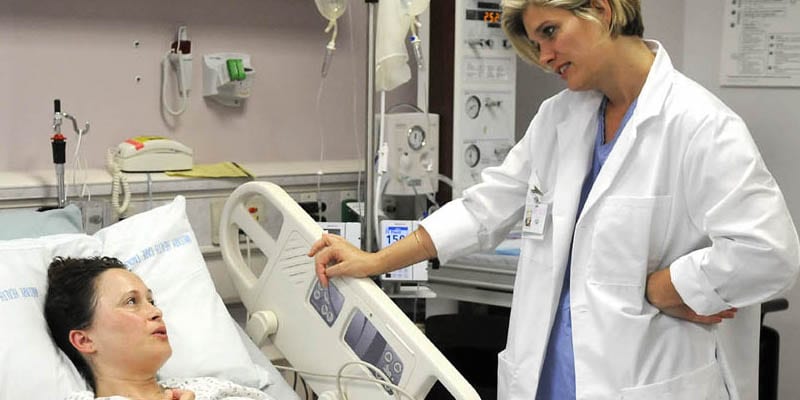
Image: PD

©2022 2 Minute Medicine, Inc. All rights reserved. No works may be reproduced without expressed written consent from 2 Minute Medicine, Inc. Inquire about licensing here. No article should be construed as medical advice and is not intended as such by the authors or by 2 Minute Medicine, Inc.


Tags: cardiologycardiovascular diseasechronic diseaseCOnsensus-based Standards for the selection of health Measurement INstrumentsFood and Drug AdministrationPatient-reported outcome measuresPatient-reported outcomespsychometric propertiespublic healthsystematic review
Previous Post

Acetazolamide increases rate of successful decongestion in patients with acute decompensated heart failure

Next Post

Age of diagnosis of diabetes may be associated with different long term outcomes

RelatedReports

Behavioral dysregulation in infancy predicts later child mental health
Cardiology

Higher maternal body mass index is associated with increased risk of cardiovascular disease in offspring

September 12, 2026
A senior woman looks thoughtfully at a balance scale with a stethoscope and a heart illustration, symbolizing the assessment of cardiovascular risk and treatment decisions.
Cardiology

Chronic exposure to particulate matter is associated with increased cardiovascular risk

September 10, 2026
Rivaroxaban likely reduces risk of recurrent stroke in specific subgroup of patients with embolic stroke of undetermined source
Cardiology

The mortality in-hospital for patients undergoing elective catheter ablation for atrial fibrillation is low

September 4, 2026
“Housing First” linked to housing stability for homeless youth with mental illness
Public Health

Mortality in the post-housing period is high among homeless people in Ottawa, Canada

August 31, 2026
Next Post

Age of diagnosis of diabetes may be associated with different long term outcomes

Increased risk of stillbirth recurrence after a previous stillbirth

Religion and spirituality may benefit the physical health of cancer patients

The Scan by 2 Minute Medicine®:  Ultra-Trail du Mont-Blanc, Taylor Swift, NBA rookie Chet Holmgren and Magic Mushrooms!

The Scan by 2 Minute Medicine®: A Misconception about Miscarriage, Scandal and ADHD, 10000 Steps per Day and Marijuana During Pregnancy!

✦ EvidencePulse™ by 2 Minute Medicine 2026 evidence scan 3 reports You asked top stroke trials 2026 Synthesizing medical evidence... Top 2026 stroke trial results: OCEANIC — ischemic stroke: 6.2% vs 8.4% OPTION* — mRS 0–1: 43.6% vs 34.2% ORIENTAL* — mRS 0–2: 58.6% vs 46.6% *Higher sICH in intervention arms Participants randomizedN OCEANIC 12,327 OPTION 570 ORIENTAL 564 Ask about guidelines or landmark trials... Try EvidencePulse™ Get the signal. Try it now → Physician-trained medical AI by 2 Minute Medicine

2MM+ All Access

Full details →
$4.99 /month

3-day free trial · cancel anytime

  • ✓100+ physician-written reports
  • ✓EvidencePulse™ + HypeCheck™
  • ✓Ad-free reading + newsletters
Start 3-day free trial

Then $4.99/month. Manage renewal in your account.

NPI Lookup · Free

Look up any US clinician

Search by name or NPI number, live from the CMS NPI Registry.

  • OIG exclusion check
  • Licenses and specialties
  • No account needed
Open NPI Lookup →

2 Minute Medicine® is an award winning, physician-run, expert medical media company. Our content is curated, written and edited by practicing health professionals who have clinical and scientific expertise in their field of reporting. Our editorial management team is comprised of highly-trained MD physicians. Join numerous brands, companies, and hospitals who trust our licensed content.

Recent Reports

  • A community health initiative in low-income areas may reduce hospital admission rates
  • Induction with remimazolam (Byfavo) for patients undergoing laparoscopic gastrointestinal surgery may reduce post-operative delirium compared with propofol
  • 2 Minute Medicine Rewind October 19, 2026
License Content
Terms of Use | Disclaimer
Cookie Policy
2MM+ All Access Full details →

The medical literature, distilled daily.

Monthly plan selected: $4.99 /month.

$4.99/month

3-day free trial · cancel anytime

Start 3-day free trial

Then $4.99/month. Manage renewal in your account.

Yearly plan selected: $49.90 /year.

$49.90/year

2 months free

Start 3-day free trial

Then $49.90/year.

Membership benefits

  • ✓100+ physician-written reports
  • ✓AI EvidencePulse™ + HypeCheck™
  • ✓Ad-free reading + newsletters
  • ✓NPI watchlist + bulk NPI verification

Already a member? Sign in

  • About
  • Specialties
    • All Specialties, All Recent Reports
    • Cardiology
    • Chronic Disease
    • Dermatology
    • Emergency
    • Endocrinology
    • Gastroenterology
    • Imaging and Intervention
    • Infectious Disease
    • Nephrology
    • Neurology
    • Obstetrics
    • Oncology
    • Ophthalmology
    • Pediatrics
    • Pharma
    • Preclinical
    • Psychiatry
    • Public Health
    • Pulmonology
    • Rheumatology
    • Surgery
    • Rewinds
    • The Scan
  • EvidencePulse™
  • HypeCheck™
  • AI News
  • Classics™
    • 2MM+ Online Access
    • Paperback and Ebook
  • Tools
    • NPI Registry Lookup
    • RVU Search
  • Partners
    • License Content
    • Advertise with Us
No Result
View All Result

© 2026 2 Minute Medicine, Inc. - Physician-written medical news.