


• About
  • Masthead
  • License Content
  • Advertise
  • Submit Press Release
  • RSS/Email List
  • 2MM Podcast
  • Write for us
  • Contact Us
2 Minute Medicine
No Result
View All Result

No products in the cart.

SUBSCRIBE
  • Specialties
    • All Specialties, All Recent Reports
    • Cardiology
    • Chronic Disease
    • Dermatology
    • Emergency
    • Endocrinology
    • Gastroenterology
    • Imaging and Intervention
    • Infectious Disease
    • Nephrology
    • Neurology
    • Obstetrics
    • Oncology
    • Ophthalmology
    • Pediatrics
    • Pharma
    • Preclinical
    • Psychiatry
    • Public Health
    • Pulmonology
    • Rheumatology
    • Surgery
  • Tools
    • EvidencePulse™
    • RVU Search
    • NPI Registry Lookup
  • Pharma
  • AI News
  • The Scan+
  • Classics™+
    • 2MM+ Online Access
    • Paperback and Ebook
  • Rewinds
  • Partners
    • License Content
    • Submit Press Release
    • Advertise with Us
  • Account
    • Subscribe
    • Sign-in
    • My account
2 Minute Medicine
  • Specialties
    • All Specialties, All Recent Reports
    • Cardiology
    • Chronic Disease
    • Dermatology
    • Emergency
    • Endocrinology
    • Gastroenterology
    • Imaging and Intervention
    • Infectious Disease
    • Nephrology
    • Neurology
    • Obstetrics
    • Oncology
    • Ophthalmology
    • Pediatrics
    • Pharma
    • Preclinical
    • Psychiatry
    • Public Health
    • Pulmonology
    • Rheumatology
    • Surgery
  • Tools
    • EvidencePulse™
    • RVU Search
    • NPI Registry Lookup
  • Pharma
  • AI News
  • The Scan+
  • Classics™+
    • 2MM+ Online Access
    • Paperback and Ebook
  • Rewinds
  • Partners
    • License Content
    • Submit Press Release
    • Advertise with Us
  • Account
    • Subscribe
    • Sign-in
    • My account
SUBSCRIBE
2 Minute Medicine
Subscribe
Home All Specialties Emergency

Recurrent injury is frequent among firearm injury survivors

byDavid XiangandKiera Liblik
September 7, 2023
in Emergency, Public Health
Reading Time: 2 mins read
0
Share on FacebookShare on Twitter

1.  In this observational cohort study, recurrent injury was frequent among firearm injury survivors, especially patients from socially vulnerable areas.

2. Fatal firearm injuries also occurred more frequently in prior firearm injury survivors.

Evidence Rating Level: 1 (Excellent)

Study Rundown: Firearm injuries are the leading cause of death for United States youths aged 1 to 19 years old, with socially vulnerable groups such as Black children and young adults disproportionally affected. Additionally, structural racism and other social determinants of health have increased the risk of violent injury among these populations. Recently, the Centers for Disease Control and Prevention reported an estimated 981,135 nonfatal firearm injuries from 2010 to 2019, but there is a gap in knowledge as to creating a comprehensive United States database of fatal and nonfatal firearm injuries. Overall, this study found that by using the St. Louis Region-Wide Hospital-Based Violence Intervention Program (HVIP) Data Repository (STL-HVIP-DR), recurrent injury and death are frequent among patients who survived prior firearm injuries that are from socially vulnerable areas. This study was limited by having limited data on comorbidities and patient-level social determinants of health, as well as the inability to account for recurrent injuries that presented to hospitals, not in the study design. Nevertheless, these study’s findings are significant, as they demonstrate that socially vulnerable patients who survived firearm injuries are likely to experience recurrent firearm injuries.

Click to read the study in AIM

Relevant Reading: Violence Perpetration Among Patients Hospitalized for Unintentional and Assault-Related Firearm Injury

RELATED REPORTS

Effect of high elevation on deep vein thrombosis: a multicenter cohort study

Lyme disease is associated with significant health care costs

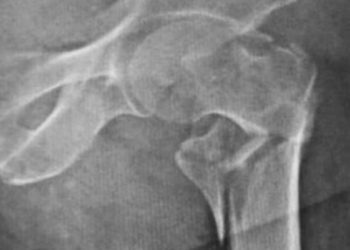
Neighbourhood socioeconomic status may be associated with days spent at home following hip fracture in older adults

In-Depth [observational cohort study]: This multicenter, observational, cohort study studied four adult and pediatric level 1 trauma hospitals in St. Louis, Missouri, from 2010 to 2019. Patients who had a hospital encounter for an index firearm injury with a corresponding International Classification of Diseases code were included in the study. People who did not survive their index firearm injury and patients who did not have a date of birth listed in the STL-HVIP-DR were excluded from the study. The primary outcome measured was patient demographics and whether recurrent firearm injury, either fatal or nonfatal, occurred. Outcomes in the primary analysis were assessed via descriptive statistics and a Kaplan-Meier time-to-event survival analysis. Based on the primary analysis, there were 10,293 firearm injuries identified, with 9553 survivors. However, with a median follow-up of 3.5 years, 1155 patients experience a recurrent firearm injury including five firearm suicides and 149 fatal firearm injuries. The patients most likely to experience a recurrent firearm injury came from high social vulnerability regions (65%) and were more likely to be young (25.3 ± 9.5 years), predominantly male (93%), Black (96%), and uninsured (50%). In summary, this study demonstrates that recurrent firearm injury and death are frequent among survivors of firearm injury, especially in socially vulnerable and marginalized patients.

Image: PD

©2023 2 Minute Medicine, Inc. All rights reserved. No works may be reproduced without expressed written consent from 2 Minute Medicine, Inc. Inquire about licensing here. No article should be construed as medical advice and is not intended as such by the authors or by 2 Minute Medicine, Inc.

Tags: emergencyemergency medicinefirearm injurypublic healthtrauma
Previous Post

Wellness Check: Spirituality

Next Post

#VisualAbstract: Trends in the prevalence of Hepatitis C infection during pregnancy and maternal-infant outcomes in the US, 1998 to 2018

RelatedReports

Reduced venous recanalization after acute deep vein thrombosis associated with post-thrombotic syndrome
Chronic Disease

Effect of high elevation on deep vein thrombosis: a multicenter cohort study

January 22, 2026
Longer duration of antibiotic therapy does not reduce persistent symptoms in Lyme disease
Infectious Disease

Lyme disease is associated with significant health care costs

January 19, 2026
Bisphosphonate use and risk of atypical femur fractures
Orthopedic Surgery

Neighbourhood socioeconomic status may be associated with days spent at home following hip fracture in older adults

January 12, 2026
Computed tomography improves diagnostic certainty in the emergency department
Emergency

An intervention to train emergency department physicians in point-of-care ultrasound-guided regional anesthesia may reduce risk of delirium in patients with hip fractures

January 13, 2026
Next Post
#VisualAbstract: Trends in the prevalence of Hepatitis C infection during pregnancy and maternal-infant outcomes in the US, 1998 to 2018

#VisualAbstract: Trends in the prevalence of Hepatitis C infection during pregnancy and maternal-infant outcomes in the US, 1998 to 2018

Study explores effects of daily iron supplementation in 2- to 5-year-olds

Racially isolated North Carolina neighborhoods are associated with higher blood lead levels in children 

#VisualAbstract: High-dose corticosteroids increase morbidity and mortality among hypoxic COVID-19  patients

#VisualAbstract: Catheter Ablation in End-Stage Heart Failure with Atrial Fibrillation

2 Minute Medicine® is an award winning, physician-run, expert medical media company. Our content is curated, written and edited by practicing health professionals who have clinical and scientific expertise in their field of reporting. Our editorial management team is comprised of highly-trained MD physicians. Join numerous brands, companies, and hospitals who trust our licensed content.

Recent Reports

  • Acupuncture may reduce pain and improve function in patients with migraine without aura
  • Psychotherapy identified as most effective treatment for grief
  • Both high and low maternal hemoglobin levels increase neonatal risk
License Content
Terms of Use | Disclaimer
Cookie Policy
Privacy Statement (EU)
Disclaimer

© 2025 2 Minute Medicine, Inc. - Physician-written medical news.

  • Specialties
    • All Specialties, All Recent Reports
    • Cardiology
    • Chronic Disease
    • Dermatology
    • Emergency
    • Endocrinology
    • Gastroenterology
    • Imaging and Intervention
    • Infectious Disease
    • Nephrology
    • Neurology
    • Obstetrics
    • Oncology
    • Ophthalmology
    • Pediatrics
    • Pharma
    • Preclinical
    • Psychiatry
    • Public Health
    • Pulmonology
    • Rheumatology
    • Surgery
  • Tools
    • EvidencePulse™
    • RVU Search
    • NPI Registry Lookup
  • Pharma
  • AI News
  • The Scan
  • Classics™
    • 2MM+ Online Access
    • Paperback and Ebook
  • Rewinds
  • Partners
    • License Content
    • Submit Press Release
    • Advertise with Us
  • Account
    • Subscribe
    • Sign-in
    • My account
No Result
View All Result

© 2025 2 Minute Medicine, Inc. - Physician-written medical news.