
• About
  • Masthead
  • License Content
  • Advertise
  • Submit Press Release
  • RSS/Email List
  • 2MM Podcast
  • Write for us
  • Contact Us
2 Minute Medicine
No Result
View All Result

No products in the cart.

SUBSCRIBE
  • About
  • Specialties
    • All Specialties, All Recent Reports
    • Cardiology
    • Chronic Disease
    • Dermatology
    • Emergency
    • Endocrinology
    • Gastroenterology
    • Imaging and Intervention
    • Infectious Disease
    • Nephrology
    • Neurology
    • Obstetrics
    • Oncology
    • Ophthalmology
    • Pediatrics
    • Pharma
    • Preclinical
    • Psychiatry
    • Public Health
    • Pulmonology
    • Rheumatology
    • Surgery
  • Tools
    • EvidencePulse™
    • HypeCheck™
    • NPI Registry Lookup
    • RVU Search
  • Pharma
  • AI News
  • The Scan+
  • Classics™+
    • 2MM+ Online Access
    • Paperback and Ebook
  • Rewinds
  • Partners
    • License Content
    • Submit Press Release
    • Advertise with Us
  • Account
    • Subscribe
    • My account
    • Cart
    • Sign-in
2 Minute Medicine
  • About
  • Specialties
    • All Specialties, All Recent Reports
    • Cardiology
    • Chronic Disease
    • Dermatology
    • Emergency
    • Endocrinology
    • Gastroenterology
    • Imaging and Intervention
    • Infectious Disease
    • Nephrology
    • Neurology
    • Obstetrics
    • Oncology
    • Ophthalmology
    • Pediatrics
    • Pharma
    • Preclinical
    • Psychiatry
    • Public Health
    • Pulmonology
    • Rheumatology
    • Surgery
  • Tools
    • EvidencePulse™
    • HypeCheck™
    • NPI Registry Lookup
    • RVU Search
  • Pharma
  • AI News
  • The Scan+
  • Classics™+
    • 2MM+ Online Access
    • Paperback and Ebook
  • Rewinds
  • Partners
    • License Content
    • Submit Press Release
    • Advertise with Us
  • Account
    • Subscribe
    • My account
    • Cart
    • Sign-in
SUBSCRIBE
2 Minute Medicine
Subscribe
Home All Specialties Cardiology

Risk of QTc prolongation with hydroxychloroquine therapy
byAlex ChanandRavi Shah, MD MBA
May 27, 2020
in Cardiology, Infectious Disease
Reading Time: 2 mins read
0
Share on FacebookShare on Twitter

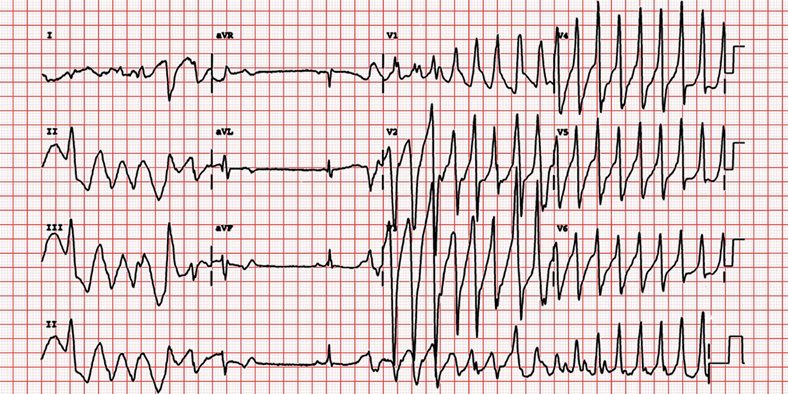
1. Use of hydroxychloroquine with or without azithromycin to treat COVID-19 was frequently associated with QTc prolongation, with results being more pronounced for patients taking both hydroxychloroquine and azithromycin.

2. Likelihood of QTc prolongation was greater with concomitant usage of loop diuretics.

Evidence Rating: 2 (Good)

Although studies have found varying degrees of efficacy for hydroxychloroquine with or without azithromycin as a treatment option for COVID-19, the drug (combination) has gained significant traction worldwide and is one of the most common therapies used for affected patients. Though the drugs are generally well-tolerated amongst patients, both can cause corrected QT (QTc) prolongation, which should continue to be taken account in clinical practice despite the desperate search for effective treatment options. To better characterize the risk and degree of QTc prolongation in patients with COVID-19 associated with hydroxychloroquine and azithromycin usage, researchers performed a single-centre retrospective observational study consisting of 90 patients with laboratory confirmed COVID-19. The 90 patients included in the study received a standard regimen consisting of 400mg of hydroxychloroquine twice on the first day, followed by 400mg daily from days 2 through 5, and 53 patients additionally received azithromycin. Median baseline QTc reported was 455 milliseconds. Both groups were observed to have QT prolongation, at a median of 5.5 milliseconds and 23 milliseconds for the monotherapy and combinational therapy groups, respectively. Within a 4 week observation period, 21 of the 90 total patients (23%) had QTc prolongation of 60 milliseconds or greater, 11 of which had received azithromycin (21% of subgroup). Furthermore, the risk of QTc prolongation was also greater in patients who had received concomitant loop diuretics in addition to hydroxychloroquine, with significantly higher rates of patients having a QTc of 500 milliseconds or more (12 of 39 patients [31%] vs. 6 of 51 patients [12%]; P = .03). Though some studies may have found positive evidence for the application of hydroxychloroquine and azithromycin for the treatment of COVID-19, findings from the present study serve as a reminder for clinicians to continuing weighing the risks and benefits associated with drugs even in times of pandemic, and adopt strict QTc monitoring and vigilance for treatment cessation when necessary if they do decide to treat patients with the drug(s).

Click to read the study in JAMA Cardiology

Image: PD

RELATED REPORTS

Ensitrelvir associated with reduced risk of Covid-19 among household contacts

Hydroxychloroquine may have a treatment role for chronic inflammatory cardiomyopathy

Oral gepotidacin is non-inferior to standard therapy for uncomplicated urogenital gonorrhea

©2020 2 Minute Medicine, Inc. All rights reserved. No works may be reproduced without expressed written consent from 2 Minute Medicine, Inc. Inquire about licensing here. No article should be construed as medical advice and is not intended as such by the authors or by 2 Minute Medicine, Inc.
Tags: azithromycinhydroxychloroquineQT intervalQTc prolongationSARS-CoV-2
Previous Post

Clinical report outlines health supervision recommendations for patients with achondroplasia

Next Post

Emergency general surgery linked to greater risk of venous thromboembolism than elective surgery

RelatedReports

Novel coronavirus identified from patients with pneumonia in Wuhan, China
Infectious Disease

Ensitrelvir associated with reduced risk of Covid-19 among household contacts

May 26, 2026
Colchicine may lower the risk of cardiovascular events in patients with coronary disease
Cardiology

Hydroxychloroquine may have a treatment role for chronic inflammatory cardiomyopathy

August 14, 2025
Nearly Half of All Pediatric Buprenorphine Exposures Result in Hospitalization
Infectious Disease

Oral gepotidacin is non-inferior to standard therapy for uncomplicated urogenital gonorrhea

May 28, 2025
Being overweight and obese associated with increased incidence of chronic kidney disease
Chronic Disease

Worsening kidney function observed following SARS-CoV-2 infection in children

May 23, 2025
Next Post
Survival greater in cervical cancer patients undergoing abdominal hysterectomy compared to minimally invasive techniques: the LACC trial

Emergency general surgery linked to greater risk of venous thromboembolism than elective surgery

#VisualAbstract: Atezolizumab-bevacizumab treatment increases survival in unresectable hepatocellular carcinoma

#VisualAbstract: Atezolizumab-bevacizumab treatment increases survival in unresectable hepatocellular carcinoma

#VisualAbstract: Neurologic Manifestations of Hospitalized Patients With Coronavirus Disease 2019 in Wuhan, China

#VisualAbstract: Neurologic Manifestations of Hospitalized Patients With Coronavirus Disease 2019 in Wuhan, China

2MM+ All Access

Full details →
$4.99 /month

5-day free trial · cancel anytime

  • ✓100+ physician-written reports
  • ✓EvidencePulse™ + HypeCheck™
  • ✓Ad-free reading + newsletters
Start 5-day free trial

Then $4.99/month. Manage renewal in your account.

EvidencePulse™ 2026 evidence scan 3 reports You asked top stroke trials 2026 Synthesizing medical evidence... Top 2026 stroke trial results: OCEANIC — ischemic stroke: 6.2% vs 8.4% OPTION* — mRS 0–1: 43.6% vs 34.2% ORIENTAL* — mRS 0–2: 58.6% vs 46.6% *Higher sICH in intervention arms Participants randomizedN OCEANIC 12,327 OPTION 570 ORIENTAL 564 Ask about guidelines or landmark trials... ↑ Try EvidencePulse™ Ask the evidence.
Get the signal.
Try it now → Physician-trained medical AI by 2 Minute Medicine

2 Minute Medicine® is an award winning, physician-run, expert medical media company. Our content is curated, written and edited by practicing health professionals who have clinical and scientific expertise in their field of reporting. Our editorial management team is comprised of highly-trained MD physicians. Join numerous brands, companies, and hospitals who trust our licensed content.

Recent Reports

  • Fexofenadine and famotidine lack clinical trial evidence for menopausal symptoms
  • Lower levels of education and place of birth were associated with non-admission to the intensive care unit in Sweden during COVID-19 pandemic
  • The Scan by 2 Minute Medicine®: Viral menopause cocktail lacks evidence, maxxing trends raise dysmorphia concerns, Ebola cases surpass 5,000, and coffee consumption is linked to lower visceral fat
License Content
Terms of Use | Disclaimer
Cookie Policy
Privacy Statement (EU)
Disclaimer
Cleantalk Pixel
  • About
  • Specialties
    • All Specialties, All Recent Reports
    • Cardiology
    • Chronic Disease
    • Dermatology
    • Emergency
    • Endocrinology
    • Gastroenterology
    • Imaging and Intervention
    • Infectious Disease
    • Nephrology
    • Neurology
    • Obstetrics
    • Oncology
    • Ophthalmology
    • Pediatrics
    • Pharma
    • Preclinical
    • Psychiatry
    • Public Health
    • Pulmonology
    • Rheumatology
    • Surgery
  • Tools
    • EvidencePulse™
    • HypeCheck™
    • NPI Registry Lookup
    • RVU Search
  • Pharma
  • AI News
  • The Scan
  • Classics™
    • 2MM+ Online Access
    • Paperback and Ebook
  • Rewinds
  • Partners
    • License Content
    • Submit Press Release
    • Advertise with Us
  • Account
    • Subscribe
    • My account
    • Cart
    • Sign-in
No Result
View All Result

© 2026 2 Minute Medicine, Inc. - Physician-written medical news.