• About
  • Masthead
  • License Content
  • Advertise
  • Submit Press Release
  • RSS/Email List
  • 2MM Podcast
  • Write for us
  • Contact Us
2 Minute Medicine
No Result
View All Result

No products in the cart.

SUBSCRIBE
  • Specialties
    • All Specialties, All Recent Reports
    • Cardiology
    • Chronic Disease
    • Dermatology
    • Emergency
    • Endocrinology
    • Gastroenterology
    • Imaging and Intervention
    • Infectious Disease
    • Nephrology
    • Neurology
    • Obstetrics
    • Oncology
    • Ophthalmology
    • Pediatrics
    • Pharma
    • Preclinical
    • Psychiatry
    • Public Health
    • Pulmonology
    • Rheumatology
    • Surgery
  • Tools
    • EvidencePulse™
    • RVU Search
    • NPI Registry Lookup
  • Pharma
  • AI News
  • The Scan+
  • Classics™+
    • 2MM+ Online Access
    • Paperback and Ebook
  • Rewinds
  • Partners
    • License Content
    • Submit Press Release
    • Advertise with Us
  • Account
    • Subscribe
    • Sign-in
    • My account
2 Minute Medicine
  • Specialties
    • All Specialties, All Recent Reports
    • Cardiology
    • Chronic Disease
    • Dermatology
    • Emergency
    • Endocrinology
    • Gastroenterology
    • Imaging and Intervention
    • Infectious Disease
    • Nephrology
    • Neurology
    • Obstetrics
    • Oncology
    • Ophthalmology
    • Pediatrics
    • Pharma
    • Preclinical
    • Psychiatry
    • Public Health
    • Pulmonology
    • Rheumatology
    • Surgery
  • Tools
    • EvidencePulse™
    • RVU Search
    • NPI Registry Lookup
  • Pharma
  • AI News
  • The Scan+
  • Classics™+
    • 2MM+ Online Access
    • Paperback and Ebook
  • Rewinds
  • Partners
    • License Content
    • Submit Press Release
    • Advertise with Us
  • Account
    • Subscribe
    • Sign-in
    • My account
SUBSCRIBE
2 Minute Medicine
Subscribe
Home All Specialties Chronic Disease

Serum interleukins may be elevated in patients with obsessive-compulsive disorder
byAlex Chan
July 4, 2024
in Chronic Disease, Psychiatry
Reading Time: 2 mins read
0
Share on FacebookShare on Twitter

1. Serum interleukin-1β (IL-1β) and interleukin-6 (IL-6) levels were higher in obsessive-compulsive disorder (OCD) patients compared to healthy controls.

Evidence Rating Level: 3 (Average)

Emerging evidence suggests immune dysregulation to be involved in the pathogenesis of obsessive-compulsive disorder (OCD). Interleukin-1β (IL-1β) and interleukin-6 (IL-6) are crucial pro-inflammatory cytokines for regulating immune responses; however, their role in OCD is unclear. This case-control study of 58 OCD patients and 30 age-sex-matched healthy controls (HCs) (mean age = 32.14±1.43, male N (%) 34 (58.62%), mean BMI = 23.97±0.62 kg/m2) thus examined the role of IL-1β and IL-6 in the pathophysiology of OCD. Compared to the HCs, OCD patients had higher serum IL-1β levels (23.68±1.65 pg/ml vs. 15.75±1.02 pg/ml; p = 0.002) and higher serum IL-6 levels (44.97±0.73 pg/ml vs. 37.04±0.35 pg/ml; p<0.001). While elevated IL-6 levels were maintained for both sexes individually in OCD patients compared to HCs (p < 0.001), IL-1β serum levels were maintained only in male OCD patients (p = 0.006). Serum IL-1β (r = 0.380, p = 0.015) and IL-6 levels (r = 0.324, p = 0.026) were both significantly associated with greater scores on the Yale-Brown Obsessive Compulsive Scale (Y-BOCS), reflecting greater severity of OCD symptoms. Overall, study results suggest that serum IL-1β and IL-6 levels may be involved in OCD pathogenesis and could potentially serve as blood-based biomarkers for OCD risk assessment. Future studies with larger sample sizes are warranted. 

Click to read the study in PLOSONE

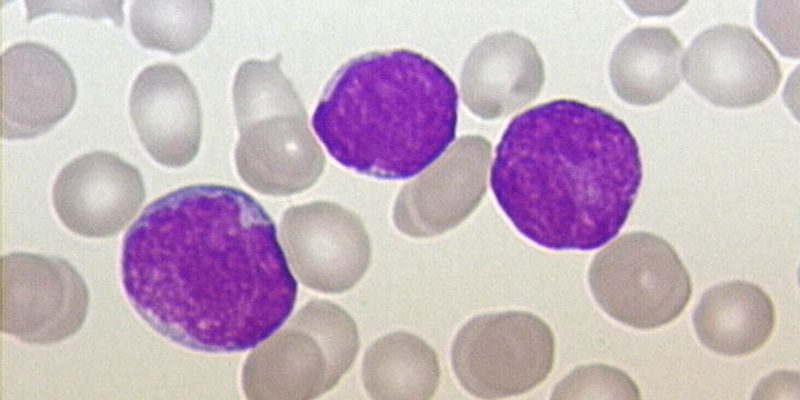
Image: PD

©2024 2 Minute Medicine, Inc. All rights reserved. No works may be reproduced without expressed written consent from 2 Minute Medicine, Inc. Inquire about licensing here. No article should be construed as medical advice and is not intended as such by the authors or by 2 Minute Medicine, Inc.


RELATED REPORTS

A novel therapy targeting γ-aminobutyric acid is safe and may be effective in major depressive disorder

Use of selective serotonin reuptake inhibitors guided by pharmacogenetic testing may improve treatment response in depression

2 Minute Medicine Rewind May 4, 2026

Tags: immunologyObsessive-Compulsive Disorderocdpsychiatry
Previous Post

#VisualAbstract: Early Weight-Bearing Improves Outcomes in Surgically Treated Ankle Fractures Compared to Delayed Weight-Bearing

Next Post

#VisualAbstract: Benralizumab reduced histological eosinophil presence without improving symptoms of eosinophilic esophagitis

RelatedReports

Parents often unaware of adolescents’ suicidal thoughts
Chronic Disease

A novel therapy targeting γ-aminobutyric acid is safe and may be effective in major depressive disorder

May 27, 2026
Children’s hospital visits for suicide ideation and attempts are increasing
Chronic Disease

Use of selective serotonin reuptake inhibitors guided by pharmacogenetic testing may improve treatment response in depression

May 13, 2026
Systematic review examines benefits and adverse effects of cannabinoid therapy
Weekly Rewinds

2 Minute Medicine Rewind May 4, 2026

May 4, 2026
Quick Take: Effect of Developmentally Adapted Cognitive Processing Therapy for Youth With Symptoms of Posttraumatic Stress Disorder After Childhood Sexual and Physical Abuse
Chronic Disease

Transcranial magnetic stimulation may reduce combat-related post-traumatic stress disorder symptoms

April 17, 2026
Next Post
#VisualAbstract: Benralizumab reduced histological eosinophil presence without improving symptoms of eosinophilic esophagitis

#VisualAbstract: Benralizumab reduced histological eosinophil presence without improving symptoms of eosinophilic esophagitis

#VisualAbstract: Tirzepatide Improved Outcomes in Patients with Obstructive Sleep Apnea and Obesity

#VisualAbstract: Tirzepatide Improved Outcomes in Patients with Obstructive Sleep Apnea and Obesity

Quick Take: The clinical effectiveness of sertraline in primary care and the role of depression severity and duration (PANDA): a pragmatic, double-blind, placebo-controlled randomized trial

Metformin may reduce all-cause mortality in cancer survivors

2 Minute Medicine® is an award winning, physician-run, expert medical media company. Our content is curated, written and edited by practicing health professionals who have clinical and scientific expertise in their field of reporting. Our editorial management team is comprised of highly-trained MD physicians. Join numerous brands, companies, and hospitals who trust our licensed content.

Recent Reports

  • Two scores for risk stratification of adults presenting with syncope may be effective at identifying those with low risk
  • Use of procalcitonin in neonatal late-onset sepsis may reduce the duration of antibiotic therapy without increase in mortality
  • A novel therapy targeting γ-aminobutyric acid is safe and may be effective in major depressive disorder
License Content
Terms of Use | Disclaimer
Cookie Policy
Privacy Statement (EU)
Disclaimer
  • Specialties
    • All Specialties, All Recent Reports
    • Cardiology
    • Chronic Disease
    • Dermatology
    • Emergency
    • Endocrinology
    • Gastroenterology
    • Imaging and Intervention
    • Infectious Disease
    • Nephrology
    • Neurology
    • Obstetrics
    • Oncology
    • Ophthalmology
    • Pediatrics
    • Pharma
    • Preclinical
    • Psychiatry
    • Public Health
    • Pulmonology
    • Rheumatology
    • Surgery
  • Tools
    • EvidencePulse™
    • RVU Search
    • NPI Registry Lookup
  • Pharma
  • AI News
  • The Scan
  • Classics™
    • 2MM+ Online Access
    • Paperback and Ebook
  • Rewinds
  • Partners
    • License Content
    • Submit Press Release
    • Advertise with Us
  • Account
    • Subscribe
    • Sign-in
    • My account
No Result
View All Result

© 2026 2 Minute Medicine, Inc. - Physician-written medical news.