• About
  • Masthead
  • License Content
  • Advertise
  • Submit Press Release
  • RSS/Email List
  • 2MM Podcast
  • Write for us
  • Contact Us
2 Minute Medicine
No Result
View All Result

No products in the cart.

SUBSCRIBE
  • Specialties
    • All Specialties, All Recent Reports
    • Cardiology
    • Chronic Disease
    • Dermatology
    • Emergency
    • Endocrinology
    • Gastroenterology
    • Imaging and Intervention
    • Infectious Disease
    • Nephrology
    • Neurology
    • Obstetrics
    • Oncology
    • Ophthalmology
    • Pediatrics
    • Pharma
    • Preclinical
    • Psychiatry
    • Public Health
    • Pulmonology
    • Rheumatology
    • Surgery
  • Tools
    • EvidencePulse™
    • RVU Search
    • NPI Registry Lookup
  • Pharma
  • AI News
  • The Scan+
  • Classics™+
    • 2MM+ Online Access
    • Paperback and Ebook
  • Rewinds
  • Partners
    • License Content
    • Submit Press Release
    • Advertise with Us
  • Account
    • Subscribe
    • Sign-in
    • My account
2 Minute Medicine
  • Specialties
    • All Specialties, All Recent Reports
    • Cardiology
    • Chronic Disease
    • Dermatology
    • Emergency
    • Endocrinology
    • Gastroenterology
    • Imaging and Intervention
    • Infectious Disease
    • Nephrology
    • Neurology
    • Obstetrics
    • Oncology
    • Ophthalmology
    • Pediatrics
    • Pharma
    • Preclinical
    • Psychiatry
    • Public Health
    • Pulmonology
    • Rheumatology
    • Surgery
  • Tools
    • EvidencePulse™
    • RVU Search
    • NPI Registry Lookup
  • Pharma
  • AI News
  • The Scan+
  • Classics™+
    • 2MM+ Online Access
    • Paperback and Ebook
  • Rewinds
  • Partners
    • License Content
    • Submit Press Release
    • Advertise with Us
  • Account
    • Subscribe
    • Sign-in
    • My account
SUBSCRIBE
2 Minute Medicine
Subscribe
Home All Specialties Cardiology

Statin therapy reduces radiation-induced cardiotoxicity in patients with breast cancer receiving radiotherapy 
byJayden BerdugoandAlex Chan
October 15, 2024
in Cardiology, Chronic Disease, Imaging and Intervention, Oncology
Reading Time: 2 mins read
0
Share on FacebookShare on Twitter

1. In a cohort of individuals with invasive ductal carcinoma (IDC) that underwent breast-conserving surgery (BCS) and adjuvant breast radiotherapy, the use of statins was associated with a decreased risk of major adverse cardiovascular events (MACE).

2. All statins were effective at reducing the risk of MACE; however, hydrophilic statins (specifically rosuvastatin and pravastatin) had the greatest positive effect. 

Evidence Rating Level: 2 (Good) 

Breast cancer is one of the most common types of cancers worldwide, including in Taiwan, where the incidence has increased in recent years. Radiation therapy is a new treatment that has therapeutic benefits for early-stage breast cancer after breast-conserving surgery (BCS). Although some positive effects are associated with this treatment, there is also evidence of cardiotoxicity effects varying based on radiation dose, systemic agents, and other risk factors for coronary heart disease in the patient. Previous preclinical studies have shown support for the cardioprotective benefits of statins; however, they have not been studied in this context or type of study before. Thus, the goal of this study was to understand the benefits of statin use and their ability to reduce major adverse cardiovascular event (MACE) risk in breast cancer patients undergoing BCS and radiotherapy. Patients were eligible to participate if they were 18 years or older, had a confirmed diagnosis of breast invasive ductal carcinoma (IDC), stage I disease with no metastasis, and an Eastern Cooperative Oncology Group performance status of 0 or 1. Adjusted hazard ratios (aHRs) were calculated to examine the relationship between statin use and MACE risk. The study included 1481 patients diagnosed with left-sided stage I breast IDC. Among these patients, 1039 and 442 patients were assigned to the nonstatin and statin groups respectively. After performing propensity score matching (PSM), the incidence of MACE was significantly higher in the nonstatin group compared to the statin group (33.61% vs 20.28%, P<0.0001). In the statin group, the aHR for MACE was 0.34 (95% CI, 0.25-0.44, P<0.0001) compared to the nonstatin group. Different classes of statins were examined, and all of them showed a similar protective effect compared with not using statins. Hydrophilic statins, specifically rosuvastatin and pravastatin had the greatest risk reduction in MACE incidence. There was a statistically significant difference in the 5-year cumulative incidence of MACE between the statin group (12.24%) versus the nonstatin group (31.70%) (P<0.0001). There was a dose-response relationship between the risk of MACE and the use of statins, where higher cumulative defined daily doses (cDDD) were associated with a lower MACE risk. Overall, in adults with stage I breast IDC who underwent BCS and whole breast radiation therapy, statin use was associated with a decreased risk of MACE. 

Click to read the study in JAHA

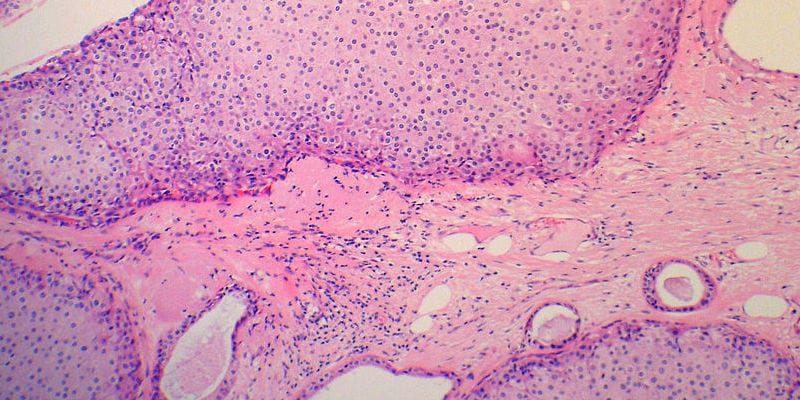
Image: PD

RELATED REPORTS

The Scan by 2 Minute Medicine®: Oral GLP 1 reshapes obesity visits, deepfake doctors fuel DIY injectables, home longevity scales overwhelm clinics, and TV CPR scripts leave bystanders unprepared

AstraZeneca moves to own multimodal oncology AI with Modella

2MM: AI Roundup – Lilly and NVIDIA’s $1B AI lab, Illumina’s Billion Cell Atlas, AstraZeneca’s Modella deal, and Claude for Healthcare [Jan 19th, 2026]

©2024 2 Minute Medicine, Inc. All rights reserved. No works may be reproduced without expressed written consent from 2 Minute Medicine, Inc. Inquire about licensing here. No article should be construed as medical advice and is not intended as such by the authors or by 2 Minute Medicine, Inc.
Tags: Breast Cancercardiologychronic diseasedyslipidemiaoncologyRadiation Oncologystatin
Previous Post

Twice-yearly lenacapavir prevents HIV more effectively than daily F/TDF or F/TAF

Next Post

#VisualAbstract: Antitachycardia Pacing Prolongs Time to All-Cause Shock in Primary Prevention Patients

RelatedReports

The Scan by 2 Minute Medicine®:  Ultra-Trail du Mont-Blanc, Taylor Swift, NBA rookie Chet Holmgren and Magic Mushrooms!
Chronic Disease

The Scan by 2 Minute Medicine®: Oral GLP 1 reshapes obesity visits, deepfake doctors fuel DIY injectables, home longevity scales overwhelm clinics, and TV CPR scripts leave bystanders unprepared

January 26, 2026
Patients with advanced adenomas are at increased risk of developing colorectal cancer
AI Roundup

AstraZeneca moves to own multimodal oncology AI with Modella

January 21, 2026
2MM: AI Roundup- AI Cancer Test, Smarter Hospitals, Faster Drug Discovery, and Mental Health Tech [May 2nd, 2025]
AI Roundup

2MM: AI Roundup – Lilly and NVIDIA’s $1B AI lab, Illumina’s Billion Cell Atlas, AstraZeneca’s Modella deal, and Claude for Healthcare [Jan 19th, 2026]

January 19, 2026
Remote patient monitoring did not reduce heart failure readmissions: The BEAT-HF trial
Weekly Rewinds

2 Minute Medicine Rewind

January 13, 2026
Next Post
#VisualAbstract: Antitachycardia Pacing Prolongs Time to All-Cause Shock in Primary Prevention Patients

#VisualAbstract: Antitachycardia Pacing Prolongs Time to All-Cause Shock in Primary Prevention Patients

Successful regional implementation of pediatric chest pain algorithm

High cardiovascular disease mortality among Native Hawaiian and Pacific Islander adults

#VisualAbstract Implantable Cardioverter-Defibrillator Does Not Reduce Risk of All-Cause Mortality in Chagas Cardiomyopathy

#VisualAbstract Implantable Cardioverter-Defibrillator Does Not Reduce Risk of All-Cause Mortality in Chagas Cardiomyopathy

2 Minute Medicine® is an award winning, physician-run, expert medical media company. Our content is curated, written and edited by practicing health professionals who have clinical and scientific expertise in their field of reporting. Our editorial management team is comprised of highly-trained MD physicians. Join numerous brands, companies, and hospitals who trust our licensed content.

Recent Reports

  • Sleeve gastrectomy may produce greater and more durable weight loss than semaglutide in patients with obesity
  • Fluoxetine may improve hemodynamic status and organ dysfunction in patients with severe sepsis
  • Home longevity scales generate data that outruns clinical evidence
License Content
Terms of Use | Disclaimer
Cookie Policy
Privacy Statement (EU)
Disclaimer

© 2025 2 Minute Medicine, Inc. - Physician-written medical news.

  • Specialties
    • All Specialties, All Recent Reports
    • Cardiology
    • Chronic Disease
    • Dermatology
    • Emergency
    • Endocrinology
    • Gastroenterology
    • Imaging and Intervention
    • Infectious Disease
    • Nephrology
    • Neurology
    • Obstetrics
    • Oncology
    • Ophthalmology
    • Pediatrics
    • Pharma
    • Preclinical
    • Psychiatry
    • Public Health
    • Pulmonology
    • Rheumatology
    • Surgery
  • Tools
    • EvidencePulse™
    • RVU Search
    • NPI Registry Lookup
  • Pharma
  • AI News
  • The Scan
  • Classics™
    • 2MM+ Online Access
    • Paperback and Ebook
  • Rewinds
  • Partners
    • License Content
    • Submit Press Release
    • Advertise with Us
  • Account
    • Subscribe
    • Sign-in
    • My account
No Result
View All Result

© 2025 2 Minute Medicine, Inc. - Physician-written medical news.