• About
  • Masthead
  • License Content
  • Advertise
  • Submit Press Release
  • RSS/Email List
  • 2MM Podcast
  • Write for us
  • Contact Us
2 Minute Medicine
No Result
View All Result

No products in the cart.

SUBSCRIBE
  • Specialties
    • All Specialties, All Recent Reports
    • Cardiology
    • Chronic Disease
    • Dermatology
    • Emergency
    • Endocrinology
    • Gastroenterology
    • Imaging and Intervention
    • Infectious Disease
    • Nephrology
    • Neurology
    • Obstetrics
    • Oncology
    • Ophthalmology
    • Pediatrics
    • Pharma
    • Preclinical
    • Psychiatry
    • Public Health
    • Pulmonology
    • Rheumatology
    • Surgery
  • AI EvidencePulse™
  • Pharma
  • AI News
  • The Scan+
  • Classics™+
    • 2MM+ Online Access
    • Paperback and Ebook
  • Rewinds
  • Podcasts
  • Partners
    • License Content
    • Submit Press Release
    • Advertise with Us
  • Account
    • Subscribe
    • Sign-in
    • My account
2 Minute Medicine
  • Specialties
    • All Specialties, All Recent Reports
    • Cardiology
    • Chronic Disease
    • Dermatology
    • Emergency
    • Endocrinology
    • Gastroenterology
    • Imaging and Intervention
    • Infectious Disease
    • Nephrology
    • Neurology
    • Obstetrics
    • Oncology
    • Ophthalmology
    • Pediatrics
    • Pharma
    • Preclinical
    • Psychiatry
    • Public Health
    • Pulmonology
    • Rheumatology
    • Surgery
  • AI EvidencePulse™
  • Pharma
  • AI News
  • The Scan+
  • Classics™+
    • 2MM+ Online Access
    • Paperback and Ebook
  • Rewinds
  • Podcasts
  • Partners
    • License Content
    • Submit Press Release
    • Advertise with Us
  • Account
    • Subscribe
    • Sign-in
    • My account
SUBSCRIBE
2 Minute Medicine
Subscribe
Home All Specialties Chronic Disease

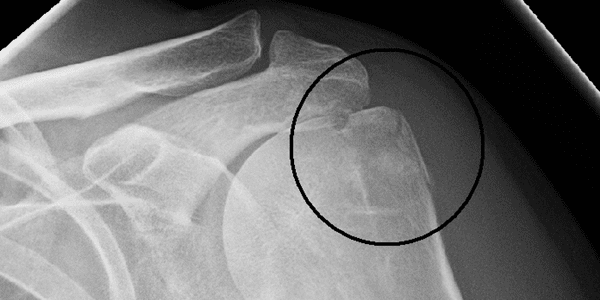
Supplemental vitamin D does not reduce risk of fractures in older adults
byBryant LimandKiera Liblik
August 16, 2022
in Chronic Disease, Orthopedic Surgery
Reading Time: 2 mins read
0
Share on FacebookShare on Twitter

1. There were no significant differences in total, non-vertebral, or hip fractures between the supplemental vitamin D and placebo groups of older adults.

2. Differences in fracture incidence remained insignificant after controlling for ethnicity, body mass index, age, and baseline vitamin D levels.

Evidence Rating Level: 1 (Excellent)

Study Rundown: Bone fractures are major public health issues in older adults. Vitamin D is implicated in bone formation pathways and vitamin D supplements are widely recommended to promote bone health and prevent fractures. However, there is conflicting evidence for the efficacy of supplemental vitamin D on bone fracture prevention. The present study used data from the randomized controlled Vitamin D and Omega-3 Trial (VITAL) to evaluate the safety and efficacy of supplemental vitamin D for lowering fracture risk as compared to a placebo. There were no significant differences between groups in the incidence of total, non-vertebral, or hip fractures at five-year follow-up. The incidences of major osteoporotic, pelvic, and wrist fractures were also not significantly different between groups. The differences remained nonsignificant after considering demographic characteristics, personal use of supplemental calcium or vitamin D, and baseline 25-hydroxyvitamin D levels. There were no significant differences in the incidence of adverse events between groups. As a limitation, this is an ancillary study of VITAL, which was not specifically designed to evaluate the effect of vitamin D supplementation on bone health. As part of VITAL, participants in both supplemental vitamin D and placebo groups were further randomized to receive omega-3 fatty acid, which may affect study findings.

Click to read the study in NEJM

In-Depth [randomized control trial]: In the present study, men over the age of 50 and women over the age of 55 in the United States were randomized into vitamin D supplementation (n=12,927) and placebo (n=12,944) groups. Participants in each group were then randomized 1:1 to receive omega-3 fatty acid supplementation and a placebo. This study presented the main effects of vitamin D compared to placebo, as analysis showed no interaction between vitamin D and omega-3 fatty acid in fracture outcomes. Participants received a placebo or 2000 international units (IU) of cholecalciferol per day and were followed for a median of 5.3 years. A total of 1,991 fractures were confirmed in 1,551 participants on medical record review. There were no significant differences between vitamin D and placebo groups for incidence of total (769 and 782 participants respectively), non-vertebral (721 and 744 participants respectively), and hip fractures (57 and 56 participants respectively). Controlling for baseline age, sex, ethnic group, body mass index, personal use of supplemental calcium or vitamin D, or 25-hydroxyvitamin D levels did not result in significant differences in fracture risk. Further, the groups had no significant differences in major osteoporotic, pelvic, or wrist fractures. Supplemental vitamin D did not result in more adverse events, such as hypercalcemia or kidney stones. Study findings suggest that vitamin D supplementation does not confer increased protection against bone fractures among older adults.

RELATED REPORTS

Vitamin D Levels During Pregnancy and Dental Caries in Offspring

Arthroscopic subacromial decompression versus placebo surgery for subacromial pain syndrome: 10 year follow-up of the FIMPACT randomised, placebo surgery controlled trial 

2MM Rewind December 8th, 2025

Image: PD

©2022 2 Minute Medicine, Inc. All rights reserved. No works may be reproduced without expressed written consent from 2 Minute Medicine, Inc. Inquire about licensing here. No article should be construed as medical advice and is not intended as such by the authors or by 2 Minute Medicine, Inc.


Tags: bone healthcalciumchronic diseasefracturesgeriatric medicineorthopedic surgerypreventative medicinevitamin d
Previous Post

Hepatic arterial phase imaging more sensitive than portal venous phase in the detection of hepatic lesions and arterioportal shunting [Classics Series]

Next Post

CT-guided percutaneous lung biopsies more effective for larger pulmonary nodules [Classics Series]

RelatedReports

AAP continues to recommend fluoride for prevention of dental caries
Health

Vitamin D Levels During Pregnancy and Dental Caries in Offspring

December 12, 2025
Survival greater in cervical cancer patients undergoing abdominal hysterectomy compared to minimally invasive techniques: the LACC trial
Imaging and Intervention

Arthroscopic subacromial decompression versus placebo surgery for subacromial pain syndrome: 10 year follow-up of the FIMPACT randomised, placebo surgery controlled trial 

December 11, 2025
AAP continues to recommend fluoride for prevention of dental caries
Weekly Rewinds

2MM Rewind December 8th, 2025

December 8, 2025
Solitary kidney not associated with contrast-induced nephropathy
Chronic Disease

Albuminuria shows a stronger association with kidney failure than proteinuria

November 20, 2025
Next Post
ABCD2 Score: Predicting Early Stroke Risk After Transient Ischemic Attack (TIA) [Classics Series]

CT-guided percutaneous lung biopsies more effective for larger pulmonary nodules [Classics Series]

Patient Basics: Atherosclerosis

Atherosclerotic risk factors associated with stroke in adulthood present from childhood and increase with age

Primary care physicians play substantial role in pediatric mental health

2 Minute Medicine Rewind August 8, 2022

2 Minute Medicine® is an award winning, physician-run, expert medical media company. Our content is curated, written and edited by practicing health professionals who have clinical and scientific expertise in their field of reporting. Our editorial management team is comprised of highly-trained MD physicians. Join numerous brands, companies, and hospitals who trust our licensed content.

Recent Reports

  • Combined Gastric Electrical Stimulation and Pyloroplasty in Gastroparesis
  • Bisphosphonates may reduce short-term pain in complex regional pain syndrome 
  • Reducing saturated fat decreases mortality in high-risk individuals
License Content
Terms of Use | Disclaimer
Cookie Policy
Privacy Statement (EU)
Disclaimer

© 2025 2 Minute Medicine, Inc. - Physician-written medical news.

  • Specialties
    • All Specialties, All Recent Reports
    • Cardiology
    • Chronic Disease
    • Dermatology
    • Emergency
    • Endocrinology
    • Gastroenterology
    • Imaging and Intervention
    • Infectious Disease
    • Nephrology
    • Neurology
    • Obstetrics
    • Oncology
    • Ophthalmology
    • Pediatrics
    • Pharma
    • Preclinical
    • Psychiatry
    • Public Health
    • Pulmonology
    • Rheumatology
    • Surgery
  • AI EvidencePulse™
  • Pharma
  • AI News
  • The Scan
  • Classics™
    • 2MM+ Online Access
    • Paperback and Ebook
  • Rewinds
  • Podcasts
  • Partners
    • License Content
    • Submit Press Release
    • Advertise with Us
  • Account
    • Subscribe
    • Sign-in
    • My account
No Result
View All Result

© 2025 2 Minute Medicine, Inc. - Physician-written medical news.