• About
  • Masthead
  • License Content
  • Advertise
  • Submit Press Release
  • RSS/Email List
  • 2MM Podcast
  • Write for us
  • Contact Us
2 Minute Medicine
No Result
View All Result

No products in the cart.

SUBSCRIBE
  • Specialties
    • All Specialties, All Recent Reports
    • Cardiology
    • Chronic Disease
    • Dermatology
    • Emergency
    • Endocrinology
    • Gastroenterology
    • Imaging and Intervention
    • Infectious Disease
    • Nephrology
    • Neurology
    • Obstetrics
    • Oncology
    • Ophthalmology
    • Pediatrics
    • Pharma
    • Preclinical
    • Psychiatry
    • Public Health
    • Pulmonology
    • Rheumatology
    • Surgery
  • Tools
    • EvidencePulse™
    • RVU Search
    • NPI Registry Lookup
  • Pharma
  • AI News
  • The Scan+
  • Classics™+
    • 2MM+ Online Access
    • Paperback and Ebook
  • Rewinds
  • Partners
    • License Content
    • Submit Press Release
    • Advertise with Us
  • Account
    • Subscribe
    • Sign-in
    • My account
2 Minute Medicine
  • Specialties
    • All Specialties, All Recent Reports
    • Cardiology
    • Chronic Disease
    • Dermatology
    • Emergency
    • Endocrinology
    • Gastroenterology
    • Imaging and Intervention
    • Infectious Disease
    • Nephrology
    • Neurology
    • Obstetrics
    • Oncology
    • Ophthalmology
    • Pediatrics
    • Pharma
    • Preclinical
    • Psychiatry
    • Public Health
    • Pulmonology
    • Rheumatology
    • Surgery
  • Tools
    • EvidencePulse™
    • RVU Search
    • NPI Registry Lookup
  • Pharma
  • AI News
  • The Scan+
  • Classics™+
    • 2MM+ Online Access
    • Paperback and Ebook
  • Rewinds
  • Partners
    • License Content
    • Submit Press Release
    • Advertise with Us
  • Account
    • Subscribe
    • Sign-in
    • My account
SUBSCRIBE
2 Minute Medicine
Subscribe
Home All Specialties Cardiology

The VADT-F trial: major cardiovascular events or death are not reduced in diabetics with intensive glucose control therapy
byDayton McMillan
June 7, 2019
in Cardiology, Chronic Disease, Endocrinology, Public Health
Reading Time: 2 mins read
0
Share on FacebookShare on Twitter

1. In a 15-year observational cohort study of type 2 diabetics treated with intensive compared to standard glucose control therapy the risk of major cardiovascular event or death was similar between both treatment groups.

2. There was no reported difference in health-related quality of life scores between the intensive and standard therapy groups.

Evidence Rating Level: 1 (Excellent)  

Study Rundown: Associations have been found in observational studies between high blood glucose levels and adverse events in diabetic patients. Associations have been more supported between microvascular adverse events and poor glucose control, while macrovascular outcomes such as cardiovascular events and their association with blood glucose control is less well established. The VADT-F study examined long-term glucose control therapy with data reaching 15-years, including 10-years of observational study after an initial 6-years of intensive glucose control therapy. The primary outcome of composite major cardiovascular events, including death, after 15 years were not lower in the intensive therapy group compared to the standard group.

This study provides long-term observational data to suggest intensive glucose control therapy does not significantly reduced the risk of major cardiovascular events. Its strengths include it’s long-term follow-up of both adverse events and glucose control. The study’s inclusion of mostly elderly men limits it’s generalizability.

Click to read the study in NEJM

RELATED REPORTS

Analysis of arrhythmia and its risk factors in patients with COVID-19

Dulaglutide, semaglutide, and tirzepatide exhibit comparable gastrointestinal adverse event risk

Glucose-Lowering Medication Classes and Cardiovascular Outcomes in Patients With Type 2 Diabetes

Relevant Reading: Long-term benefits of intensive glucose control for preventing end-stage kidney disease: ADVANCE-ON

In-Depth [prospective cohort]:  This prospective cohort study initially included 1791 military veterans with type 2 diabetes mellitus who were randomized to either intensive or standard glucose control therapy. Patients in the intensive group (n=892) had a treatment goal of normal glycated hemoglobin levels, while those in the standard group (n=899) had a glycated hemoglobin goal of between 8-9%. Participants were in these therapy groups for 5.6 years, and follow-up was performed on alive patients through national electronic medical registries. At a mean follow-up period of 13.6 years, the primary outcome of composite major cardiovascular events or death was no significantly different between the intensive and standard therapy groups (hazard ratio, 0.91; 95% confidence interval [CI], 0.78 to 1.06; P = 0.23). There were no significant differences in rates of major diabetic events (hazard ratio, 0.90; 95% CI, 0.78 to 1.04) or death from cardiovascular causes (hazard ratio, 0.94; 95% CI, 0.73 to 1.20). Mean scores for health-related quality of life and rates of hospitalization were also similar between the two groups. After the active phase of the study had finished, glycated hemoglobin levels in the intensive therapy group gradually returned to approximately the same level as those of patients in the standard therapy group.

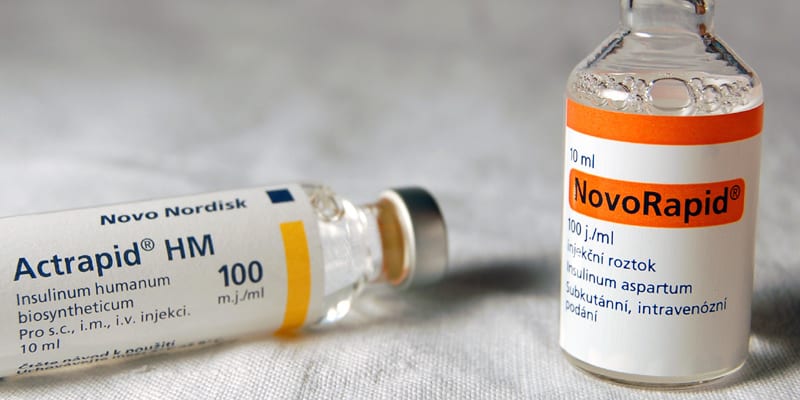
Image: PD

©2019 2 Minute Medicine, Inc. All rights reserved. No works may be reproduced without expressed written consent from 2 Minute Medicine, Inc. Inquire about licensing here. No article should be construed as medical advice and is not intended as such by the authors or by 2 Minute Medicine, Inc


Tags: blood glucosecardiovascular eventsdeathdiabeteshemoglobin A1CType 2 Diabetes Mellitus
Previous Post

The CLL14 trial: longer progression-free survival for CLL patients with coexisting conditions treated with venetoclax

Next Post

The MORDOR II trial: mass azithromycin distribution decreases childhood mortality in Niger

RelatedReports

Novel coronavirus identified from patients with pneumonia in Wuhan, China
Cardiology

Analysis of arrhythmia and its risk factors in patients with COVID-19

December 3, 2025
Quick Take: The clinical effectiveness of sertraline in primary care and the role of depression severity and duration (PANDA): a pragmatic, double-blind, placebo-controlled randomized trial
Chronic Disease

Dulaglutide, semaglutide, and tirzepatide exhibit comparable gastrointestinal adverse event risk

November 23, 2025
Chronic Disease

Glucose-Lowering Medication Classes and Cardiovascular Outcomes in Patients With Type 2 Diabetes

October 24, 2025
Mild-to-moderate hypertriglyceridemia associated with higher risk of acute pancreatitis
Chronic Disease

Glycaemic control and influencing factors among patients with post-chronic pancreatitis diabetes mellitus in China: a retrospective cross-sectional study

October 10, 2025
Next Post
The MORDOR II trial: mass azithromycin distribution decreases childhood mortality in Niger

The MORDOR II trial: mass azithromycin distribution decreases childhood mortality in Niger

Modified FOLFIRINOX results in longer disease-free survival in metastatic pancreatic cancer patients compared to gemcitabine

Quick Take: Low rates of specialized cancer consultation and cancer-directed therapy for noncurable pancreatic adenocarcinoma

Quick Take: Effect of Intraoperative High Positive End-Expiratory Pressure (PEEP) With Recruitment Maneuvers vs Low PEEP on Postoperative Pulmonary Complications in Obese Patients

2 Minute Medicine® is an award winning, physician-run, expert medical media company. Our content is curated, written and edited by practicing health professionals who have clinical and scientific expertise in their field of reporting. Our editorial management team is comprised of highly-trained MD physicians. Join numerous brands, companies, and hospitals who trust our licensed content.

Recent Reports

  • The efficacy of preoperative evolocumab-rosuvastatin combination therapy in patients with ST-elevation myocardial infarction
  • Infrapatellar Fat Pad Glucocorticoid Injection in Knee Osteoarthritis
  • Ultrasound-guided stellate ganglion block attenuates early postoperative visceral pain after laparoscopic hysterectomy: A prospective randomized controlled trial
License Content
Terms of Use | Disclaimer
Cookie Policy
Privacy Statement (EU)
Disclaimer

© 2025 2 Minute Medicine, Inc. - Physician-written medical news.

  • Specialties
    • All Specialties, All Recent Reports
    • Cardiology
    • Chronic Disease
    • Dermatology
    • Emergency
    • Endocrinology
    • Gastroenterology
    • Imaging and Intervention
    • Infectious Disease
    • Nephrology
    • Neurology
    • Obstetrics
    • Oncology
    • Ophthalmology
    • Pediatrics
    • Pharma
    • Preclinical
    • Psychiatry
    • Public Health
    • Pulmonology
    • Rheumatology
    • Surgery
  • Tools
    • EvidencePulse™
    • RVU Search
    • NPI Registry Lookup
  • Pharma
  • AI News
  • The Scan
  • Classics™
    • 2MM+ Online Access
    • Paperback and Ebook
  • Rewinds
  • Partners
    • License Content
    • Submit Press Release
    • Advertise with Us
  • Account
    • Subscribe
    • Sign-in
    • My account
No Result
View All Result

© 2025 2 Minute Medicine, Inc. - Physician-written medical news.