• About
  • Masthead
  • License Content
  • Advertise
  • Submit Press Release
  • RSS/Email List
  • 2MM Podcast
  • Write for us
  • Contact Us
2 Minute Medicine
No Result
View All Result

No products in the cart.

SUBSCRIBE
  • Specialties
    • All Specialties, All Recent Reports
    • Cardiology
    • Chronic Disease
    • Dermatology
    • Emergency
    • Endocrinology
    • Gastroenterology
    • Imaging and Intervention
    • Infectious Disease
    • Nephrology
    • Neurology
    • Obstetrics
    • Oncology
    • Ophthalmology
    • Pediatrics
    • Pharma
    • Preclinical
    • Psychiatry
    • Public Health
    • Pulmonology
    • Rheumatology
    • Surgery
  • Tools
    • EvidencePulse™
    • RVU Search
    • NPI Registry Lookup
  • Pharma
  • AI News
  • The Scan+
  • Classics™+
    • 2MM+ Online Access
    • Paperback and Ebook
  • Rewinds
  • Partners
    • License Content
    • Submit Press Release
    • Advertise with Us
  • Account
    • Subscribe
    • Sign-in
    • My account
2 Minute Medicine
  • Specialties
    • All Specialties, All Recent Reports
    • Cardiology
    • Chronic Disease
    • Dermatology
    • Emergency
    • Endocrinology
    • Gastroenterology
    • Imaging and Intervention
    • Infectious Disease
    • Nephrology
    • Neurology
    • Obstetrics
    • Oncology
    • Ophthalmology
    • Pediatrics
    • Pharma
    • Preclinical
    • Psychiatry
    • Public Health
    • Pulmonology
    • Rheumatology
    • Surgery
  • Tools
    • EvidencePulse™
    • RVU Search
    • NPI Registry Lookup
  • Pharma
  • AI News
  • The Scan+
  • Classics™+
    • 2MM+ Online Access
    • Paperback and Ebook
  • Rewinds
  • Partners
    • License Content
    • Submit Press Release
    • Advertise with Us
  • Account
    • Subscribe
    • Sign-in
    • My account
SUBSCRIBE
2 Minute Medicine
Subscribe
Home All Specialties Cardiology

Use of direct oral anticoagulants should not delay surgical intervention for patients with hip fractures
bySoroush NedaieandAlex Chan
February 27, 2024
in Cardiology, Emergency, Hematology, Orthopedic Surgery
Reading Time: 2 mins read
0
Share on FacebookShare on Twitter

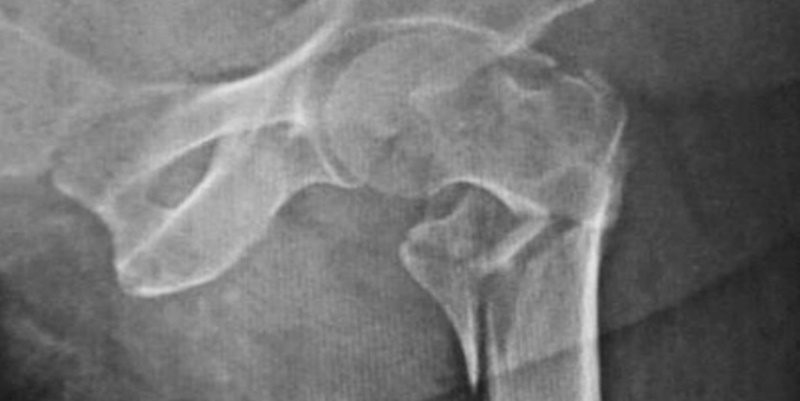
1. In geriatric patients with hip fractures on direct oral anticoagulants (DOACs), surgical treatment within 48 hours of their last preoperative DOAC dose had comparable complication rates and 1-year mortality compared with patients with surgery delayed past 48 hours.

2. Patients who underwent surgical management within 48 hours required fewer transfusions and had decreased length of stay, compared with those who underwent surgery beyond 48 hours. 

Evidence Rating Level: 2 (Good)

Geriatric hip fractures are associated with 1-year mortality rates as high as 33%. Surgical delays beyond 24 hours increase the 30-day mortality risk, while those more than 48 hours increase the 1-year mortality risk.  Rising use of DOACs complicates perioperative management due to consideration of bleeding risk, often leading to a required 48-hour discontinuation period before surgery. This retrospective cohort study used data from 3 level 1 trauma centers in the United States between 2010 and 2018, to investigate the relationship between the timing of the last DOAC dose before surgery (<48 vs. >48 hours) and postoperative complications and mortality rates. 205 patients (mean age [range], 81.9 [65-100] years; 65% female; mean Charlson Comorbidity Index [range], 6.4 [2-20]) were included in the study. 35% (71/205) of patients underwent surgery within 48 hours of their last preoperative DOAC dose. Patients with delayed surgery (>48 hours) experienced a mean time to surgery of 44.4 hours longer compared to those without delay. No significant differences were observed in total complications, readmission rates, 1-year mortality, estimated blood loss, or change in hemoglobin/hematocrit level, based on the timing of the last DOAC dose preoperatively. Notably, multivariate analysis controlling for age, CCI, DOAC prescribed, fracture type, sex, delayed surgery, and surgery type, demonstrated that patients delayed >48 hours from their last preoperative DOAC dose, were more likely to require a blood transfusion (OR 2.39, 95% CI, 1.05–5.44; P = 0.04). Compared with patients who waited more than 48 hours from their last preoperative DOAC dose, those who were treated within 48 hours had significantly shorter lengths of stay (5.9 vs. 7.6 days, P<0.005). Overall, this study found that geriatric patients with hip fractures who underwent surgery within 48 hours of their last preoperative DOAC dose had comparable mortality and complication rates, required fewer transfusions, and had decreased length of stay compared with patients delayed beyond 48 hours. These findings support early intervention for geriatric hip fractures rather than adherence to DOAC discontinuation guidelines. 

Click to read the study in the Journal of Orthopedic Trauma

Image: PD

RELATED REPORTS

Increasing the volume of pericapsular nerve block may not improve postoperative pain control after total hip arthroplasty

Renal point-of-care ultrasound may be effective at identifying patients with nephrolithiasis

Apixaban (eliquis) outperforms Rivaroxaban (xarelto) in venous thromboembolism bleeding risk

©2024 2 Minute Medicine, Inc. All rights reserved. No works may be reproduced without expressed written consent from 2 Minute Medicine, Inc. Inquire about licensing here. No article should be construed as medical advice and is not intended as such by the authors or by 2 Minute Medicine, Inc.

Tags: anticoagulationemergency medicinehematologyhip fractureorthopedic surgerythrombosistrauma
Previous Post

#VisualAbstract: Apixaban does not significantly prevent recurrent stroke after cryptogenic stroke in patients with atrial cardiopathy

Next Post

Early de-escalation from intravenous to oral antibiotics may be appropriate for uncomplicated gram-negative bacteremia

RelatedReports

Social networks play key roles in parental vaccination decisions
Imaging and Intervention

Increasing the volume of pericapsular nerve block may not improve postoperative pain control after total hip arthroplasty

April 21, 2026
Contrast-enhanced computed tomography associated with high sensitivity to renal stone detection
Emergency

Renal point-of-care ultrasound may be effective at identifying patients with nephrolithiasis

April 13, 2026
Nearly Half of All Pediatric Buprenorphine Exposures Result in Hospitalization
Cardiology

Apixaban (eliquis) outperforms Rivaroxaban (xarelto) in venous thromboembolism bleeding risk

April 9, 2026
2 Minute Medicine: Pharma Roundup: Price Hikes, Breakthrough Approvals, Legal Showdowns, Biotech Expansion, and Europe’s Pricing Debate [May 12nd, 2025]
Endocrinology

2 Minute Medicine: Pharma Roundup – Pfizer’s Talzenna delays prostate cancer progression, apixaban lowers VTE bleeding risk, Lilly’s retatrutide hits Phase III metabolic targets, and FDA warns Novo Nordisk over safety reporting violations [March 2026]

March 30, 2026
Next Post
Implementation of pneumococcal vaccine programs linked to decreased antibiotic prescription

Early de-escalation from intravenous to oral antibiotics may be appropriate for uncomplicated gram-negative bacteremia

Implementation of pneumococcal vaccine programs linked to decreased antibiotic prescription

Dental procedures not associated with increased periprosthetic joint infections for knee arthroplasty

American Academy of Pediatrics recommends standards for adverse event disclosures

Wellness Check: Spirituality

2 Minute Medicine® is an award winning, physician-run, expert medical media company. Our content is curated, written and edited by practicing health professionals who have clinical and scientific expertise in their field of reporting. Our editorial management team is comprised of highly-trained MD physicians. Join numerous brands, companies, and hospitals who trust our licensed content.

Recent Reports

  • The Scan by 2 Minute Medicine®: TikTok “Fibermaxxing” trend targets gut microbiome diversity, Jennifer Aniston’s “Strength for 50+” ritual spotlights photobiomodulation, American Lung Association issues respiratory warning over viral “mouth taping” fad, and Psychiatric Times highlights initiative to close the schizophrenia mortality gap
  • Pelvic floor muscle training may reduce postpartum stress urinary incontinence
  • Increasing the volume of pericapsular nerve block may not improve postoperative pain control after total hip arthroplasty
License Content
Terms of Use | Disclaimer
Cookie Policy
Privacy Statement (EU)
Disclaimer

The Classics in Medicine Paperback Released!

Over the past 30 years, the transition from print to digital media has contributed to an exponential increase in medical literature. In response, 2 Minute Medicine presents 160+ authoritative, physician-written summaries of the most cited landmark trials in medicine.

amazon-logo_blackGet-it-on-iBooks-badge

Click anywhere to close this announcement

  • Specialties
    • All Specialties, All Recent Reports
    • Cardiology
    • Chronic Disease
    • Dermatology
    • Emergency
    • Endocrinology
    • Gastroenterology
    • Imaging and Intervention
    • Infectious Disease
    • Nephrology
    • Neurology
    • Obstetrics
    • Oncology
    • Ophthalmology
    • Pediatrics
    • Pharma
    • Preclinical
    • Psychiatry
    • Public Health
    • Pulmonology
    • Rheumatology
    • Surgery
  • Tools
    • EvidencePulse™
    • RVU Search
    • NPI Registry Lookup
  • Pharma
  • AI News
  • The Scan
  • Classics™
    • 2MM+ Online Access
    • Paperback and Ebook
  • Rewinds
  • Partners
    • License Content
    • Submit Press Release
    • Advertise with Us
  • Account
    • Subscribe
    • Sign-in
    • My account
No Result
View All Result

© 2026 2 Minute Medicine, Inc. - Physician-written medical news.