• About
  • Masthead
  • License Content
  • Advertise
  • Submit Press Release
  • RSS/Email List
  • 2MM Podcast
  • Write for us
  • Contact Us
2 Minute Medicine
No Result
View All Result

No products in the cart.

SUBSCRIBE
  • Specialties
    • All Specialties, All Recent Reports
    • Cardiology
    • Chronic Disease
    • Dermatology
    • Emergency
    • Endocrinology
    • Gastroenterology
    • Imaging and Intervention
    • Infectious Disease
    • Nephrology
    • Neurology
    • Obstetrics
    • Oncology
    • Ophthalmology
    • Pediatrics
    • Pharma
    • Preclinical
    • Psychiatry
    • Public Health
    • Pulmonology
    • Rheumatology
    • Surgery
  • Tools
    • EvidencePulse™
    • RVU Search
    • NPI Registry Lookup
  • Pharma
  • AI News
  • The Scan+
  • Classics™+
    • 2MM+ Online Access
    • Paperback and Ebook
  • Rewinds
  • Partners
    • License Content
    • Submit Press Release
    • Advertise with Us
  • Account
    • Subscribe
    • Sign-in
    • My account
2 Minute Medicine
  • Specialties
    • All Specialties, All Recent Reports
    • Cardiology
    • Chronic Disease
    • Dermatology
    • Emergency
    • Endocrinology
    • Gastroenterology
    • Imaging and Intervention
    • Infectious Disease
    • Nephrology
    • Neurology
    • Obstetrics
    • Oncology
    • Ophthalmology
    • Pediatrics
    • Pharma
    • Preclinical
    • Psychiatry
    • Public Health
    • Pulmonology
    • Rheumatology
    • Surgery
  • Tools
    • EvidencePulse™
    • RVU Search
    • NPI Registry Lookup
  • Pharma
  • AI News
  • The Scan+
  • Classics™+
    • 2MM+ Online Access
    • Paperback and Ebook
  • Rewinds
  • Partners
    • License Content
    • Submit Press Release
    • Advertise with Us
  • Account
    • Subscribe
    • Sign-in
    • My account
SUBSCRIBE
2 Minute Medicine
Subscribe
Home All Specialties Cardiology

Timing of daily antihypertensives does not change cardiovascular outcomes
byNeel MistryandTeddy Guo
November 1, 2022
in Cardiology, Chronic Disease
Reading Time: 2 mins read
0
Share on FacebookShare on Twitter

1. The primary composite cardiovascular endpoint was similar among patients in the evening and morning dose groups.

2. Self-reported adverse events such as dizziness, upset stomach, and diarrhea were more common with the morning dose group compared to the evening dose group.

Evidence Rating Level: 1 (Excellent)

Study Rundown: Normal blood pressure exhibits a diurnal rhythm with higher blood pressures in the morning and lower in the evening. Previous studies have suggested that evening dosing of antihypertensives may have a benefit in countering the morning surge in blood pressures. However, there is little evidence to solidify this. This randomized trial aimed to assess the effect of evening versus morning dosing of antihypertensive medication on major cardiovascular outcomes in adults with hypertension. The primary composite outcome included vascular death or hospitalization for non-fatal myocardial infarction and stroke. According to study results, morning and evening dosing of antihypertensive medication were equally effective. Similarly, there were no significant differences were seen in the individual secondary outcomes or subgroup analyses between the morning and evening dosing groups. This study was strengthened by a large sample size with predominantly older patients, thus adding to its credibility. However, there was a considerable proportion of patients reporting nonadherence to the study allocation, with more non-adherence seen in the evening groups.

Click to read the study in The Lancet

Relevant Reading: Trial of Intensive Blood-Pressure Control in Older Patients with Hypertension

RELATED REPORTS

Early control of systolic blood pressure following intracerebral hemorrhage may improve functional recovery

New guidelines limit hypertension treatment in adults over 65

Replacing sedentary time with physical activity may lower risk of all-cause mortality

In-depth [randomized-controlled trial]: Between Dec 17, 2011, and Jun 5, 2018, 24 610 patients were screened for eligibility in the UK. Included were those ≥ 18 years with a clinical diagnosis of hypertension and ≥ 1 antihypertensive. Patients who worked shiftwork and those who were prescribed antihypertensives with more than one daily dose were excluded from study enrollment. Altogether, 19 386 patients (9537 in evening dose and 9849 in morning dose) were included in the primary analysis. Mean age of patients was 65.1 years (standard deviation [SD] 9.3) and the majority were White (90.2%) males (57.5%). The primary outcome of death or hospitalization due to myocardial infarction or stroke was comparable in both groups (3.4% evening treatment; 0.69 events per 100 patient-years; 95% confidence interval [CI] 0.62-0.76 vs. 3.7% morning treatment; 0.72 events per 100 patient-years; 95% CI 0.65-0.79; p=0.53). The occurrence of mild adverse events such as dizziness, indigestion, and diarrhea were more common with the morning dose group (70.5%) compared to the evening dose (70.5%, p=0.041). Findings from this study suggest comparable efficacy between evening and morning dose for antihypertensive therapy.

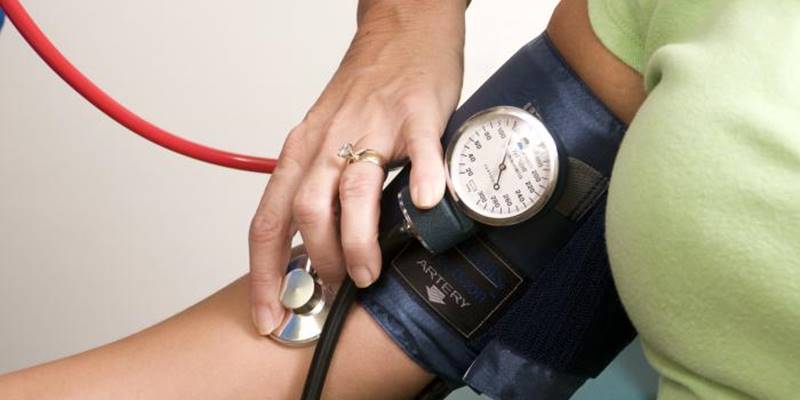
Image: PD

©2022 2 Minute Medicine, Inc. All rights reserved. No works may be reproduced without expressed written consent from 2 Minute Medicine, Inc. Inquire about licensing here. No article should be construed as medical advice and is not intended as such by the authors or by 2 Minute Medicine, Inc.

Tags: antihypertensivesblood pressurecardiovascular diseasecardiovascular healthcardiovascular riskhypertensionmyocardial infarctionstroke
Previous Post

Resuscitation with an intact umbilical cord improves neonatal transition

Next Post

Endovascular therapy superior to medical management for distal medium vessel occlusion strokes

RelatedReports

No difference in mortality for intensive versus standard reduction in blood pressure in intracerebral hemorrhage: The ATACH-2 trial
Emergency

Early control of systolic blood pressure following intracerebral hemorrhage may improve functional recovery

March 24, 2026
Quick Take: The clinical effectiveness of sertraline in primary care and the role of depression severity and duration (PANDA): a pragmatic, double-blind, placebo-controlled randomized trial
Cardiology

New guidelines limit hypertension treatment in adults over 65

March 16, 2026
Reduced gestational weight gain with lifestyle intervention
Cardiology

Replacing sedentary time with physical activity may lower risk of all-cause mortality

March 2, 2026
Primary care physicians play substantial role in pediatric mental health
Cardiology

Adults with attention-deficit/hyperactivity disorder are at higher risk of poor long-term adherence to antihypertensive therapy

February 27, 2026
Next Post
Quick Take: Functional Outcome of Intravenous Thrombolysis in Patients With Lacunar Infarcts in the WAKE-UP Trial

Endovascular therapy superior to medical management for distal medium vessel occlusion strokes

Combined MRI and NIH stroke scores may predict stroke prognosis

Spirituality may aid patients with neurological diseases cope with their illness

Maternal vaccination during pregnancy not associated with infant hospitalization, mortality

Travel time to abortion facilities in the United States significantly increased after the Dobbs v Jackson Women’s Health Decision

2 Minute Medicine® is an award winning, physician-run, expert medical media company. Our content is curated, written and edited by practicing health professionals who have clinical and scientific expertise in their field of reporting. Our editorial management team is comprised of highly-trained MD physicians. Join numerous brands, companies, and hospitals who trust our licensed content.

Recent Reports

  • Placental abruption during pregnancy is not associated with increased risk of cardiovascular mortality in children
  • Pfizer’s Talzenna combo significantly delays prostate cancer progression
  • Bottom-vented bottles may not reduce gastrointestinal discomfort in infants
License Content
Terms of Use | Disclaimer
Cookie Policy
Privacy Statement (EU)
Disclaimer

The Classics in Medicine Paperback Released!

Over the past 30 years, the transition from print to digital media has contributed to an exponential increase in medical literature. In response, 2 Minute Medicine presents 160+ authoritative, physician-written summaries of the most cited landmark trials in medicine.

amazon-logo_blackGet-it-on-iBooks-badge

Click anywhere to close this announcement

  • Specialties
    • All Specialties, All Recent Reports
    • Cardiology
    • Chronic Disease
    • Dermatology
    • Emergency
    • Endocrinology
    • Gastroenterology
    • Imaging and Intervention
    • Infectious Disease
    • Nephrology
    • Neurology
    • Obstetrics
    • Oncology
    • Ophthalmology
    • Pediatrics
    • Pharma
    • Preclinical
    • Psychiatry
    • Public Health
    • Pulmonology
    • Rheumatology
    • Surgery
  • Tools
    • EvidencePulse™
    • RVU Search
    • NPI Registry Lookup
  • Pharma
  • AI News
  • The Scan
  • Classics™
    • 2MM+ Online Access
    • Paperback and Ebook
  • Rewinds
  • Partners
    • License Content
    • Submit Press Release
    • Advertise with Us
  • Account
    • Subscribe
    • Sign-in
    • My account
No Result
View All Result

© 2026 2 Minute Medicine, Inc. - Physician-written medical news.