• About
  • Masthead
  • License Content
  • Advertise
  • Press Releases
  • Newsroom
  • RSS/Email List
  • 2MM Podcast
  • Write for us
  • Contact Us
2 Minute Medicine
No Result
View All Result

No products in the cart.

Sign in
SUBSCRIBE
  • About
  • Specialties
    • All Specialties, All Recent Reports
    • Cardiology
    • Chronic Disease
    • Dermatology
    • Emergency
    • Endocrinology
    • Gastroenterology
    • Imaging and Intervention
    • Infectious Disease
    • Nephrology
    • Neurology
    • Obstetrics
    • Oncology
    • Ophthalmology
    • Pediatrics
    • Pharma
    • Preclinical
    • Psychiatry
    • Public Health
    • Pulmonology
    • Rheumatology
    • Surgery
    • Rewinds
    • The Scan
  • EvidencePulse™
  • HypeCheck™
  • AI News
  • Classics™
    • 2MM+ Online Access
    • Paperback and Ebook
  • Tools
    • NPI Registry Lookup
    • RVU Search
    • Physician Pay by Specialty
    • ICD-10 Code Lookup
    • FDA Drug Approvals
    • Drug Safety for Breastfeeding/Pregnancy
    • Clinical Guidelines
    • Medical Calculators
    • ECG Reference
      • QTc Calculator
      • Sgarbossa Criteria
      • ECG Axis Calculator
      • AV Block Helper
  • Rankings
    • Medical School Rankings
    • Residency Rankings
  • Partners
    • License Content
    • Advertise with Us
2 Minute Medicine
  • About
  • Specialties
    • All Specialties, All Recent Reports
    • Cardiology
    • Chronic Disease
    • Dermatology
    • Emergency
    • Endocrinology
    • Gastroenterology
    • Imaging and Intervention
    • Infectious Disease
    • Nephrology
    • Neurology
    • Obstetrics
    • Oncology
    • Ophthalmology
    • Pediatrics
    • Pharma
    • Preclinical
    • Psychiatry
    • Public Health
    • Pulmonology
    • Rheumatology
    • Surgery
    • Rewinds
    • The Scan
  • EvidencePulse™
  • HypeCheck™
  • AI News
  • Classics™
    • 2MM+ Online Access
    • Paperback and Ebook
  • Tools
    • NPI Registry Lookup
    • RVU Search
    • Physician Pay by Specialty
    • ICD-10 Code Lookup
    • FDA Drug Approvals
    • Drug Safety for Breastfeeding/Pregnancy
    • Clinical Guidelines
    • Medical Calculators
    • ECG Reference
      • QTc Calculator
      • Sgarbossa Criteria
      • ECG Axis Calculator
      • AV Block Helper
  • Rankings
    • Medical School Rankings
    • Residency Rankings
  • Partners
    • License Content
    • Advertise with Us
Sign in
SUBSCRIBE
2 Minute Medicine
Sign in
Subscribe
2 Minute MedicineFree on Google PlayGet
✦EvidencePulse™by 2 Minute Medicine3 reportsYou askedtop stroke trials 2026Synthesizing medical evidence...Top 2026 stroke trial results:OCEANIC — ischemic stroke: 6.2% vs 8.4%OPTION* — mRS 0–1: 43.6% vs 34.2%ORIENTAL* — mRS 0–2: 58.6% vs 46.6%*Higher sICH in intervention armsParticipants randomizedNOCEANIC12,327OPTION570ORIENTAL564Ask about guidelines or landmark trials...↑Try EvidencePulse™Ask the evidence. Get the signal.Try it now →
Home All Specialties Cardiology

Pulsed field ablation noninferior to cryoablation for reducing paroxysmal atrial fibrillation recurrence
byNhat Hung (Benjamin) LamandKiera Liblik
May 30, 2025
in Cardiology, Chronic Disease
Reading Time: 3 mins read
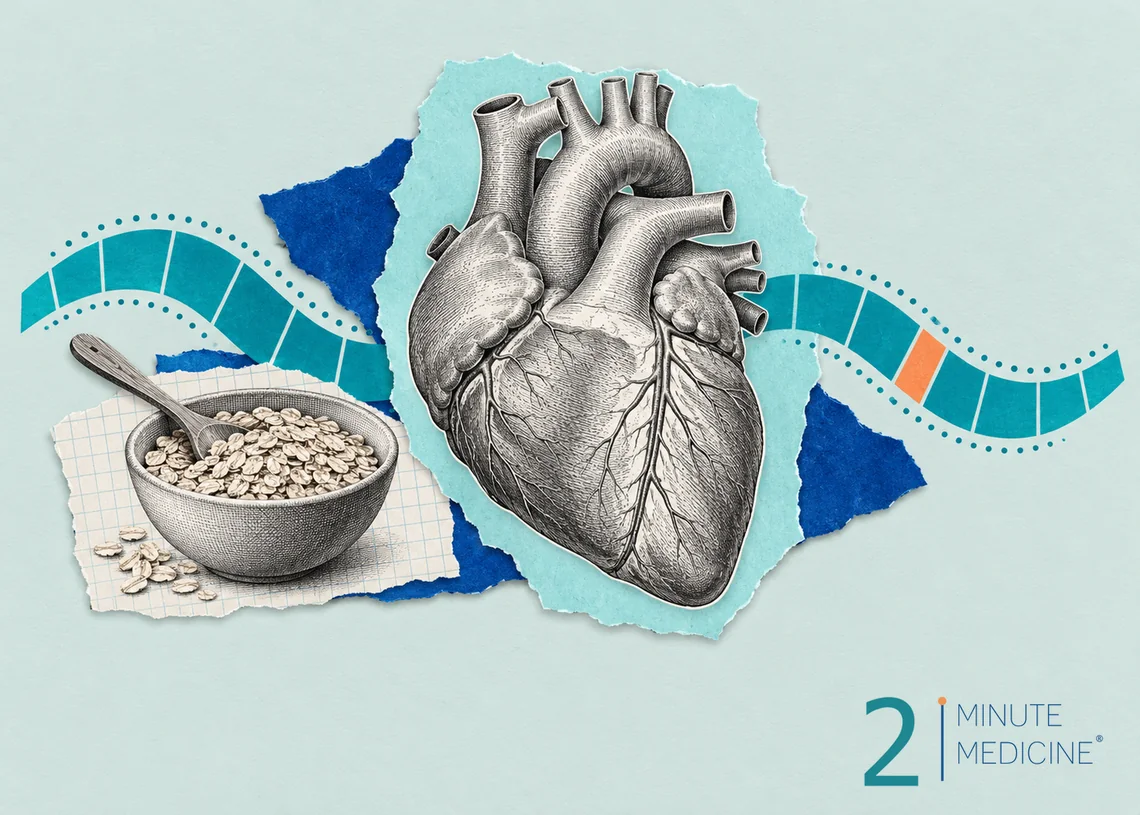
Heart care collage: a large engraved heart beside a bowl of oats with a spoon, with a teal ribbon running behind
Share on FacebookShare on TwitterShare on LinkedIn

1. In this randomized controlled trial of patients with symptomatic paroxysmal atrial fibrillation, pulsed field ablation (PFA) was noninferior to cryoablation in reducing the incidence of first recurrence of atrial tachyarrhythmias.

2. The incidence of procedure-related complications was comparable between the PFA and cryoablation groups.

Evidence Rating Level: 1 (Excellent)

Study Rundown: PAF is a common arrhythmia associated with an increased risk of ischemic stroke. Catheter-based ablative pulmonary vein isolation is effective in treating symptomatic patients and superior to medications in maintaining sinus rhythm and managing symptoms. Thermal-based techniques such as radiofrequency and cryoablation lack tissue specificity and carry the risk of injuring adjacent structures. PFA is a non-thermal method with high specificity to myocardial tissue and has demonstrated safety in previous studies. This trial compared PFA against cryoablation in patients with symptomatic paroxysmal atrial fibrillation. All patients received an implantable cardiac monitor for continuous rhythm monitoring. At days 91 and 365 following ablation, the PFA group was non-inferior to cryoablation in the incidence of recurrence of atrial tachyarrhythmias. Procedure-related complications occurred infrequently in both groups. Secondary outcomes, including repeat ablation and reinitiation of antiarrhythmic agents, were similar across the two groups. These findings were limited to the pentaspline PFA catheter used by experienced operators. This trial utilized continuous rhythm monitoring, which potentially yielded a higher rate of detecting arrhythmia compared to prior studies. Overall, these results suggested that PFA was non-inferior to cryoballoon ablation in reducing the recurrence of atrial tachyarrhythmia in patients with symptomatic paroxysmal atrial fibrillation.

Click here to read the study in the NEJM (New England Journal of Medicine)

Relevant Reading: Pulsed Field or Conventional Thermal Ablation for Paroxysmal Atrial Fibrillation

RELATED REPORTS

Frailty in older adults with atrial fibrillation is multifactorial and associated with metabolic and cognitive factors

Increased rapid eye movement (REM) sleep is associated with lower risks of several chronic diseases

In-Depth [randomized controlled trial]: This noninferiority trial compared PFA against cryoablation in reducing PAF recurrence. Patients 18 years of age or older who had symptomatic PAF and were eligible for pulmonary-vein isolation ablation were included. In total, 210 patients were randomized 1:1 to undergo PFA or cryoablation, employing either the pentaspline PFA catheter (PFA group) or cryoballon (cryoablation group). The primary outcome was the first recurrence of atrial tachyarrhythmia lasting ≥30 seconds between days 91 and 365 after ablation. The primary endpoint occurred in 39 patients in the PFA group and 53 patients in the cryoablation group, with the Kaplan-Meier cumulative incidence being 37.1% and 50.7%, respectively (between-group difference, -13.6 percentage points; 95% Confidence Interval [CI], -26.9 to 0.3; p<0.001 for noninferiority and p=0.046 for superiority of PFA versus cryoablation). The safety outcome, composite of procedure-related complications, occurred in one patient (1.0%) in the PFA group (stroke) and two patients (1.9%) in the cryoablation group (all cardiac tamponade). Atrial tachyarrhythmia recurrence was lower with PFA during both the blanking period (days 1-90) (between-group difference, -20.0 percentage points; 95% CI, -33.2 to -6.8) and the overall study period (days 1-365) (difference -18.2, percentage points; 95% CI, -31.5 to -4.9). Secondary clinical outcomes occurred at comparable rates between the two groups, with no deaths in either. Additionally, PFA was associated with a shorter procedure time compared to cryoablation (55 minutes versus 73 minutes; difference -18.3 minutes; 95% CI -25.1 to -11.6).  In summary, in patients with symptomatic paroxysmal atrial fibrillation, PFA was noninferior and borderline superior to cryoballoon ablation for preventing atrial tachyarrhythmia recurrence, with a comparable safety profile.

Image: PD

©2025 2 Minute Medicine, Inc. All rights reserved. No works may be reproduced without expressed written consent from 2 Minute Medicine, Inc. Inquire about licensing here. No article should be construed as medical advice and is not intended as such by the authors or by 2 Minute Medicine, Inc.

Tags: atrial fibrillationcardiologychronic diseasecryoablationelectrophysiologyparoxysmal atrial fibrillationpulsed field ablation
Previous Post

Semaglutide improves walking ability in patients with peripheral artery disease and type 2 diabetes

Next Post

#VisualAbstract: Tolebrutinib Reduced Disaibility Progression in Nonrelapsing Secondary Progressive Multiple Sclerosis

RelatedReports

An anatomical illustration of a heart with an electrocardiogram line and a catheter, indicating atrial fibrillation ablation procedures.
Cardiology

Frailty in older adults with atrial fibrillation is multifactorial and associated with metabolic and cognitive factors

September 30, 2026
A man is sleeping on his side with a caution symbol and tape beside him, while lung images are in the background, suggesting a focus on sleep and respiratory health.
Cardiology

Increased rapid eye movement (REM) sleep is associated with lower risks of several chronic diseases

September 23, 2026
A senior woman looks thoughtfully at a balance scale with a stethoscope and a heart illustration, symbolizing the assessment of cardiovascular risk and treatment decisions.
Cardiology

Chronic exposure to particulate matter is associated with increased cardiovascular risk

September 10, 2026
A detailed illustration of a kidney and glomeruli, with a pill depicted, representing treatment for kidney-related conditions. It suggests a focus on chronic kidney disease.
Nephrology

Apixaban (Eliquis) is associated with reduced rates of ischemic stroke and bleeding in patients with atrial fibrillation and advanced chronic kidney disease compared with warfarin (Coumadin)

September 9, 2026
Next Post
#VisualAbstract: Tolebrutinib Reduced Disaibility Progression in Nonrelapsing Secondary Progressive Multiple Sclerosis

#VisualAbstract: Tolebrutinib Reduced Disaibility Progression in Nonrelapsing Secondary Progressive Multiple Sclerosis

#VisualAbstract: Methotrexate is Noninferior to Prednisone in the Treatment of Pulmonary Sarcoidosis

#VisualAbstract: Methotrexate is Noninferior to Prednisone in the Treatment of Pulmonary Sarcoidosis

Progressive multiple sclerosis collage: an engraved nerve cell with glowing teal myelin segments and a walking cane

Tolebrutinib reduces disability progression in nonrelapsing secondary progressive multiple sclerosis

✦ EvidencePulse™ by 2 Minute Medicine 3 reports You asked top stroke trials 2026 Synthesizing medical evidence... Top 2026 stroke trial results: OCEANIC — ischemic stroke: 6.2% vs 8.4% OPTION* — mRS 0–1: 43.6% vs 34.2% ORIENTAL* — mRS 0–2: 58.6% vs 46.6% *Higher sICH in intervention arms Participants randomizedN OCEANIC 12,327 OPTION 570 ORIENTAL 564 Ask about guidelines or landmark trials... Try EvidencePulse™ Get the signal. Try it now → Physician-trained medical AI by 2 Minute Medicine

2MM+ All Access

Full details →
$4.99 /month

3-day free trial · cancel anytime

  • ✓100+ physician-written reports
  • ✓EvidencePulse™ + HypeCheck™
  • ✓Ad-free reading + newsletters
Start 3-day free trial

Then $4.99/month. Manage renewal in your account.

2 Minute Medicine® is an award winning, physician-run, expert medical media company. Our content is curated, written and edited by practicing health professionals who have clinical and scientific expertise in their field of reporting. Our editorial management team is comprised of highly-trained MD physicians. Join numerous brands, companies, and hospitals who trust our licensed content.

Recent Reports

  • Large genetic association study identifies additional Alzheimer disease risk loci and candidate pathways
  • Pelacarsen lowers lipoprotein(a) but does not reduce major cardiovascular events in patients with established cardiovascular disease
  • Durvalumab plus enfortumab vedotin was approved for perioperative treatment of muscle-invasive bladder cancer
License Content
Terms of Use | Disclaimer
Cookie Policy

Get the app

Read 2 Minute Medicine on iPhone, iPad and Android.

Download on the App StoreGet it on Google Play
QR code for www.2minutemedicine.com/app
On a computer? Scan this with your phone’s camera.
2MM+ All Access Full details →

The medical literature, distilled daily.

Monthly plan selected: $4.99 /month.

$4.99/month

3-day free trial · cancel anytime

Start 3-day free trial

Then $4.99/month. Manage renewal in your account.

Yearly plan selected: $49.90 /year.

$49.90/year

2 months free

Start 3-day free trial

Then $49.90/year.

Membership benefits

  • ✓100+ new physician-written study summaries monthly, 12,000+ searchable
  • ✓AI EvidencePulse™ + HypeCheck™
  • ✓Ad-free reading + newsletters
  • ✓FDA drug approvals + clinical calculators

Already a member? Sign in

  • Get the app
  • About
  • Specialties
    • All Specialties, All Recent Reports
    • Cardiology
    • Chronic Disease
    • Dermatology
    • Emergency
    • Endocrinology
    • Gastroenterology
    • Imaging and Intervention
    • Infectious Disease
    • Nephrology
    • Neurology
    • Obstetrics
    • Oncology
    • Ophthalmology
    • Pediatrics
    • Pharma
    • Preclinical
    • Psychiatry
    • Public Health
    • Pulmonology
    • Rheumatology
    • Surgery
    • Rewinds
    • The Scan
  • EvidencePulse™
  • HypeCheck™
  • AI News
  • Classics™
    • 2MM+ Online Access
    • Paperback and Ebook
  • Tools
    • NPI Registry Lookup
    • RVU Search
    • Physician Pay by Specialty
    • ICD-10 Code Lookup
    • FDA Drug Approvals
    • Drug Safety for Breastfeeding/Pregnancy
    • Clinical Guidelines
    • Medical Calculators
    • ECG Reference
      • QTc Calculator
      • Sgarbossa Criteria
      • ECG Axis Calculator
      • AV Block Helper
  • Rankings
    • Medical School Rankings
    • Residency Rankings
  • Partners
    • License Content
    • Advertise with Us
No Result
View All Result

© 2026 2 Minute Medicine, Inc. - Physician-written medical news.