


• About
  • Masthead
  • License Content
  • Advertise
  • Submit Press Release
  • RSS/Email List
  • 2MM Podcast
  • Write for us
  • Contact Us
2 Minute Medicine
No Result
View All Result

No products in the cart.

SUBSCRIBE
  • Specialties
    • All Specialties, All Recent Reports
    • Cardiology
    • Chronic Disease
    • Dermatology
    • Emergency
    • Endocrinology
    • Gastroenterology
    • Imaging and Intervention
    • Infectious Disease
    • Nephrology
    • Neurology
    • Obstetrics
    • Oncology
    • Ophthalmology
    • Pediatrics
    • Pharma
    • Preclinical
    • Psychiatry
    • Public Health
    • Pulmonology
    • Rheumatology
    • Surgery
  • AI EvidencePulse™
  • Pharma
  • AI News
  • The Scan+
  • Classics™+
    • 2MM+ Online Access
    • Paperback and Ebook
  • Rewinds
  • Podcasts
  • Partners
    • License Content
    • Submit Press Release
    • Advertise with Us
  • Account
    • Subscribe
    • Sign-in
    • My account
2 Minute Medicine
  • Specialties
    • All Specialties, All Recent Reports
    • Cardiology
    • Chronic Disease
    • Dermatology
    • Emergency
    • Endocrinology
    • Gastroenterology
    • Imaging and Intervention
    • Infectious Disease
    • Nephrology
    • Neurology
    • Obstetrics
    • Oncology
    • Ophthalmology
    • Pediatrics
    • Pharma
    • Preclinical
    • Psychiatry
    • Public Health
    • Pulmonology
    • Rheumatology
    • Surgery
  • AI EvidencePulse™
  • Pharma
  • AI News
  • The Scan+
  • Classics™+
    • 2MM+ Online Access
    • Paperback and Ebook
  • Rewinds
  • Podcasts
  • Partners
    • License Content
    • Submit Press Release
    • Advertise with Us
  • Account
    • Subscribe
    • Sign-in
    • My account
SUBSCRIBE
2 Minute Medicine
Subscribe
Home All Specialties Chronic Disease

Insufficient evidence for physical activity in preventing late-life dementia

byAndrew Cheung, MD MBA
December 29, 2017
in Chronic Disease, Neurology, Psychiatry, Public Health
Reading Time: 2 mins read
0
Share on FacebookShare on Twitter

1. Physical activity interventions to prevent late-life dementia included aerobic exercise, resistance training, Tai Chi, and multidomain interventions.

2. There is insufficient evidence to draw conclusions as to the efficacy of physical activity with respect to preventing cognitive decline and dementia.

Evidence Rating Level: 1 (Excellent)

Study Rundown: Dementia is defined as a decline in cognitive function that results in functional impairment. There is currently a growing body of research assessing the different factors necessary to reduce the development of dementia in adults with previously normal cognitive function. The authors of this study conducted a systematic review to assess the efficacy of such activities in delaying cognitive decline. This study has several limitations related to the studies retrieved in this systematic review. First, many of the trials were small and did not assess long-term outcomes. As well, there was significant variability in terms of primary study outcomes and factors being assessed. The authors also observed several challenges within the study methodologies, such as not correcting for using various instruments to measure cognitive outcomes or poor definitions of how adult sedentary status was defined. Overall, the results of this systematic review highlight that there is currently insufficient evidence to determine the efficacy of physical activity on reducing the development of dementia.

Click to read the study in the Annals of Internal Medicine

Relevant Reading: Cognitive Reserve and the Prevention of Dementia: the Role of Physical and Cognitive Activities

RELATED REPORTS

2 Minute Medicine Rewind November 17, 2025

Risk of Parkinson’s disease after human papillomavirus infection: a nationwide cohort study

Hearing Loss, Brain Structure, Cognition, and Dementia Risk in the Framingham Heart Study

In-Depth [systematic review]: The authors of this study compared 16 trials that assessed the impact of a physical activity intervention versus an inactive control on the development of dementia in persons with previously normal cognition. Of the studies included in this review, with 6 trials specifically addressing aerobic activity, 1 trial evaluating Tai Chi, and 3 trials assessing resistance training. Data extracted and confirmed by 2 independent reviewers. In general, the authors found insufficient evidence to draw conclusions related to the efficacy of physical activity in preventing the development of dementia. Specifically, no improvement in cognitive function was observed for multicomponent physical activity (low-strength evidence). Low-strength evidence did suggest that a multidomain intervention, including physical activity, diet, and cognitive training, might help delay cognitive decline and improve cognitive outcomes.

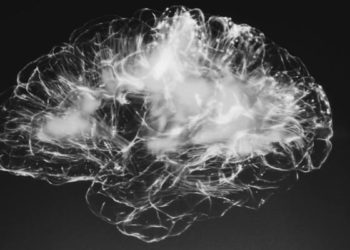
Image: PD

©2017 2 Minute Medicine, Inc. All rights reserved. No works may be reproduced without expressed written consent from 2 Minute Medicine, Inc. Inquire about licensing here. No article should be construed as medical advice and is not intended as such by the authors or by 2 Minute Medicine, Inc.

Tags: cognitive declinedementiaexercise
Previous Post

No interventions proven to prevent late-life dementia

Next Post

Reduced mortality with culprit-lesion-only percutaneous coronary intervention for acute myocardial infarction with cardiogenic shock

RelatedReports

Lariat device for left atrial appendage exclusion associated with adverse events
Weekly Rewinds

2 Minute Medicine Rewind November 17, 2025

November 17, 2025
2 Minute Medicine Rewind August 19, 2019
Chronic Disease

Risk of Parkinson’s disease after human papillomavirus infection: a nationwide cohort study

November 13, 2025
Chronic Disease

Hearing Loss, Brain Structure, Cognition, and Dementia Risk in the Framingham Heart Study

November 12, 2025
Weekly Rewinds

2 Minute Medicine Rewind November 10th, 2025

November 10, 2025
Next Post
Appropriate use criteria for angiography may frequently miss obstructive coronary artery disease

Reduced mortality with culprit-lesion-only percutaneous coronary intervention for acute myocardial infarction with cardiogenic shock

2 Minute Medicine Physician Press Podcast - December 2017

Letermovir safe, effective in CMV prophylaxis following stem-cell transplantation

Prophylactic letermovir significantly reduces cytomegalovirus infection after transplantation

2 Minute Medicine® is an award winning, physician-run, expert medical media company. Our content is curated, written and edited by practicing health professionals who have clinical and scientific expertise in their field of reporting. Our editorial management team is comprised of highly-trained MD physicians. Join numerous brands, companies, and hospitals who trust our licensed content.

Recent Reports

  • 2 Minute Medicine Rewind December 29th, 2025
  • Ultrasound-Guided Regional Anesthesia by Emergency Physicians for Hip Fractures and Delirium
  • Ketamine, Etomidate, and Mortality in Emergency Department Intubations
License Content
Terms of Use | Disclaimer
Cookie Policy
Privacy Statement (EU)
Disclaimer

© 2025 2 Minute Medicine, Inc. - Physician-written medical news.

  • Specialties
    • All Specialties, All Recent Reports
    • Cardiology
    • Chronic Disease
    • Dermatology
    • Emergency
    • Endocrinology
    • Gastroenterology
    • Imaging and Intervention
    • Infectious Disease
    • Nephrology
    • Neurology
    • Obstetrics
    • Oncology
    • Ophthalmology
    • Pediatrics
    • Pharma
    • Preclinical
    • Psychiatry
    • Public Health
    • Pulmonology
    • Rheumatology
    • Surgery
  • AI EvidencePulse™
  • Pharma
  • AI News
  • The Scan
  • Classics™
    • 2MM+ Online Access
    • Paperback and Ebook
  • Rewinds
  • Podcasts
  • Partners
    • License Content
    • Submit Press Release
    • Advertise with Us
  • Account
    • Subscribe
    • Sign-in
    • My account
No Result
View All Result

© 2025 2 Minute Medicine, Inc. - Physician-written medical news.
