• About
  • Masthead
  • License Content
  • Advertise
  • Submit Press Release
  • RSS/Email List
  • 2MM Podcast
  • Write for us
  • Contact Us
2 Minute Medicine
No Result
View All Result

No products in the cart.

SUBSCRIBE
  • Specialties
    • All Specialties, All Recent Reports
    • Cardiology
    • Chronic Disease
    • Dermatology
    • Emergency
    • Endocrinology
    • Gastroenterology
    • Imaging and Intervention
    • Infectious Disease
    • Nephrology
    • Neurology
    • Obstetrics
    • Oncology
    • Ophthalmology
    • Pediatrics
    • Pharma
    • Preclinical
    • Psychiatry
    • Public Health
    • Pulmonology
    • Rheumatology
    • Surgery
  • Tools
    • EvidencePulse™
    • RVU Search
    • NPI Registry Lookup
  • Pharma
  • AI News
  • The Scan+
  • Classics™+
    • 2MM+ Online Access
    • Paperback and Ebook
  • Rewinds
  • Partners
    • License Content
    • Submit Press Release
    • Advertise with Us
  • Account
    • Subscribe
    • Sign-in
    • My account
2 Minute Medicine
  • Specialties
    • All Specialties, All Recent Reports
    • Cardiology
    • Chronic Disease
    • Dermatology
    • Emergency
    • Endocrinology
    • Gastroenterology
    • Imaging and Intervention
    • Infectious Disease
    • Nephrology
    • Neurology
    • Obstetrics
    • Oncology
    • Ophthalmology
    • Pediatrics
    • Pharma
    • Preclinical
    • Psychiatry
    • Public Health
    • Pulmonology
    • Rheumatology
    • Surgery
  • Tools
    • EvidencePulse™
    • RVU Search
    • NPI Registry Lookup
  • Pharma
  • AI News
  • The Scan+
  • Classics™+
    • 2MM+ Online Access
    • Paperback and Ebook
  • Rewinds
  • Partners
    • License Content
    • Submit Press Release
    • Advertise with Us
  • Account
    • Subscribe
    • Sign-in
    • My account
SUBSCRIBE
2 Minute Medicine
Subscribe
Home All Specialties Chronic Disease

Insulin icodec is more effective than insulin glargine for glycemic control
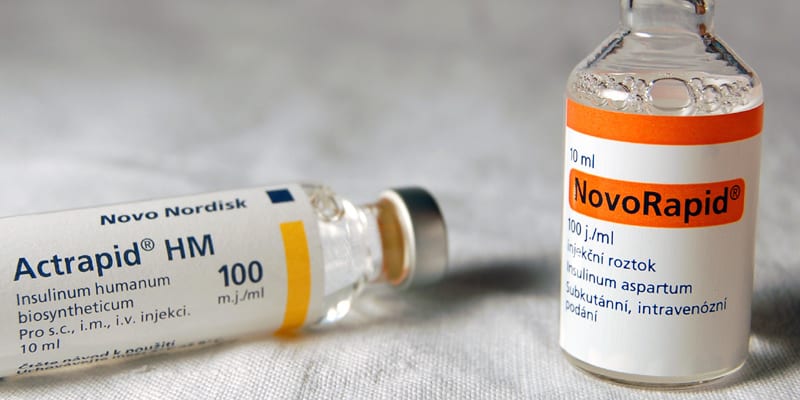
byDavid XiangandKiera Liblik
August 7, 2023
in Chronic Disease, Endocrinology
Reading Time: 2 mins read
0
Share on FacebookShare on Twitter

1. In this randomized controlled trial, weekly insulin icodec use resulted in better glycemic control than daily insulin glargine in patients with type two diabetes. 

2. Once-weekly insulin icodec also resulted in a greater reduction in glycated hemoglobin levels than once-daily insulin glargine.

Evidence Rating Level: 1 (Excellent)

Study Rundown: Current treatment for type two diabetes includes initiation of once or twice daily basal insulin analogs to aid proper glycemic control. However, there are concerns regarding adherence to daily injections. It has been demonstrated that once-weekly injectable glucagon-like peptide 1 (GLP-1) receptor agonists are preferred by patients and are associated with improved adherence as well as glycemic control. Yet there remains a gap in knowledge as to understanding whether once-weekly insulin is as effective as daily injections for glycemic control. Overall, this study found that insulin icodec does lead to significantly improved glycemic control and increased likelihood of reaching a glycated hemoglobin level below 7% when compared to the use of glargine U100 in patients with type two diabetes. Notably, this study looked specifically at patients who had not previously received insulin. This study was limited by not having a double-blind, double-dummy design. Nevertheless, these study’s findings are significant, as they demonstrate that once-weekly insulin icodec may be more effective than once-daily insulin glargine in improving glycemic control and reducing overall glycated hemoglobin levels in patients with type two diabetes.

Click to read the study in NEJM

Relevant Reading: Building a Better Insulin — Whom Will It Help?

RELATED REPORTS

Prednisone may have bone and cardiovascular benefits compared to hydrocortisone therapy in adrenal insufficiency

Lilly’s retatrutide achieves significant weight loss and A1C reduction in Phase 3 trial

2 Minute Medicine: Pharma Roundup – Pfizer’s Talzenna delays prostate cancer progression, apixaban lowers VTE bleeding risk, Lilly’s retatrutide hits Phase III metabolic targets, and FDA warns Novo Nordisk over safety reporting violations [March 2026]

In-Depth [randomized controlled trial]: This randomized, open-label, treat-to-target, phase 3a trial was conducted in 12 countries across 78 weeks. Patients who were adults (≥18 years of age) with type two diabetes who had a glycated hemoglobin level of 7 to 11% (53.0 to 96.7 mmol per mole) with a body-mass index (the weight in kilograms divided by the square of the height in meters) of 40 or less at screening were eligible for the study. Patients who had previously been prescribed insulin were excluded. The primary outcome measured was an absolute change in patient glycated hemoglobin level (in percentage points) from baseline to week 52. Outcomes in the primary analysis were assessed via hierarchical confirmatory testing. Based on the primary analysis, the mean reduction in the glycated hemoglobin level at 52 weeks was greater with icodec than with glargine U100 (from 8.50% to 6.93% with icodec, mean change, −1.55% and from 8.44% to 7.12% with glargine U100, mean change, −1.35%). Additionally, the noninferiority and superiority of icodec were confirmed by the estimated between-group difference (−0.19%; 95% confidence interval [CI], −0.36 to −0.03). The percentage of time spent in the glycemic range of 70 to 180 mg per deciliter was significantly higher with icodec than with glargine U100 (71.9% vs. 66.9%; estimated between-group difference, 4.27 percentage points; 95% CI, 1.92 to 6.62). In summary, this study demonstrates that once-weekly insulin icodec not only improves glycemic control but also reduces overall glycated hemoglobin levels in patients with type two diabetes as compared to receiving once-daily insulin glargine U100.

Image: PD

©2023 2 Minute Medicine, Inc. All rights reserved. No works may be reproduced without expressed written consent from 2 Minute Medicine, Inc. Inquire about licensing here. No article should be construed as medical advice and is not intended as such by the authors or by 2 Minute Medicine, Inc.


Tags: chronic diseasediabetes mellitusendocrinologyglucagon-like peptide 1glucagon-like peptide 1 agonistsglycemic controlinsulininsulin glargineinsulin icodectype 2 diabetes
Previous Post

Integrated Clinical-Molecular Classification of Colorectal Liver Metastases

Next Post

Across several countries, nursing knowledge of palliative care may be insufficient

RelatedReports

Implementation of pneumococcal vaccine programs linked to decreased antibiotic prescription
Chronic Disease

Prednisone may have bone and cardiovascular benefits compared to hydrocortisone therapy in adrenal insufficiency

April 3, 2026
Sleep duration inversely related to childhood type 2 diabetes risk makers
Cardiology

Lilly’s retatrutide achieves significant weight loss and A1C reduction in Phase 3 trial

April 3, 2026
2 Minute Medicine: Pharma Roundup: Price Hikes, Breakthrough Approvals, Legal Showdowns, Biotech Expansion, and Europe’s Pricing Debate [May 12nd, 2025]
Endocrinology

2 Minute Medicine: Pharma Roundup – Pfizer’s Talzenna delays prostate cancer progression, apixaban lowers VTE bleeding risk, Lilly’s retatrutide hits Phase III metabolic targets, and FDA warns Novo Nordisk over safety reporting violations [March 2026]

March 30, 2026
Intrapartum serum prolactin may predict risk of postpartum diabetes
Chronic Disease

Dipeptidyl peptidase-4 inhibitors may be associated with an increased incidence of malignancy

March 26, 2026
Next Post

Across several countries, nursing knowledge of palliative care may be insufficient

The Scan by 2 Minute Medicine®:  Ultra-Trail du Mont-Blanc, Taylor Swift, NBA rookie Chet Holmgren and Magic Mushrooms!

The Scan by 2 Minute Medicine®: Battling Alzheimer's, Bariatric Complications, Heat Wave Woes, and Not-So-Prime Energy Drinks

Long-acting antiretroviral therapy injections maintain viral suppression in people living with HIV

2 Minute Medicine® is an award winning, physician-run, expert medical media company. Our content is curated, written and edited by practicing health professionals who have clinical and scientific expertise in their field of reporting. Our editorial management team is comprised of highly-trained MD physicians. Join numerous brands, companies, and hospitals who trust our licensed content.

Recent Reports

  • The incidence of early-onset metastatic adenocarcinoma may be higher among patients with multiple metastatic sites and peritoneal involvement
  • WHO launches 2026 global initiative to bridge the schizophrenia mortality gap
  • Invasive management for non-ST-segment elevation myocardial infarction in frail patients may not improve mortality
License Content
Terms of Use | Disclaimer
Cookie Policy
Privacy Statement (EU)
Disclaimer

The Classics in Medicine Paperback Released!

Over the past 30 years, the transition from print to digital media has contributed to an exponential increase in medical literature. In response, 2 Minute Medicine presents 160+ authoritative, physician-written summaries of the most cited landmark trials in medicine.

amazon-logo_blackGet-it-on-iBooks-badge

Click anywhere to close this announcement

  • Specialties
    • All Specialties, All Recent Reports
    • Cardiology
    • Chronic Disease
    • Dermatology
    • Emergency
    • Endocrinology
    • Gastroenterology
    • Imaging and Intervention
    • Infectious Disease
    • Nephrology
    • Neurology
    • Obstetrics
    • Oncology
    • Ophthalmology
    • Pediatrics
    • Pharma
    • Preclinical
    • Psychiatry
    • Public Health
    • Pulmonology
    • Rheumatology
    • Surgery
  • Tools
    • EvidencePulse™
    • RVU Search
    • NPI Registry Lookup
  • Pharma
  • AI News
  • The Scan
  • Classics™
    • 2MM+ Online Access
    • Paperback and Ebook
  • Rewinds
  • Partners
    • License Content
    • Submit Press Release
    • Advertise with Us
  • Account
    • Subscribe
    • Sign-in
    • My account
No Result
View All Result

© 2026 2 Minute Medicine, Inc. - Physician-written medical news.