• About
  • Masthead
  • License Content
  • Advertise
  • Submit Press Release
  • RSS/Email List
  • 2MM Podcast
  • Write for us
  • Contact Us
2 Minute Medicine
No Result
View All Result

No products in the cart.

SUBSCRIBE
  • Specialties
    • All Specialties, All Recent Reports
    • Cardiology
    • Chronic Disease
    • Dermatology
    • Emergency
    • Endocrinology
    • Gastroenterology
    • Imaging and Intervention
    • Infectious Disease
    • Nephrology
    • Neurology
    • Obstetrics
    • Oncology
    • Ophthalmology
    • Pediatrics
    • Pharma
    • Preclinical
    • Psychiatry
    • Public Health
    • Pulmonology
    • Rheumatology
    • Surgery
  • Tools
    • EvidencePulse™
    • RVU Search
    • NPI Registry Lookup
  • Pharma
  • AI News
  • The Scan+
  • Classics™+
    • 2MM+ Online Access
    • Paperback and Ebook
  • Rewinds
  • Partners
    • License Content
    • Submit Press Release
    • Advertise with Us
  • Account
    • Subscribe
    • Sign-in
    • My account
2 Minute Medicine
  • Specialties
    • All Specialties, All Recent Reports
    • Cardiology
    • Chronic Disease
    • Dermatology
    • Emergency
    • Endocrinology
    • Gastroenterology
    • Imaging and Intervention
    • Infectious Disease
    • Nephrology
    • Neurology
    • Obstetrics
    • Oncology
    • Ophthalmology
    • Pediatrics
    • Pharma
    • Preclinical
    • Psychiatry
    • Public Health
    • Pulmonology
    • Rheumatology
    • Surgery
  • Tools
    • EvidencePulse™
    • RVU Search
    • NPI Registry Lookup
  • Pharma
  • AI News
  • The Scan+
  • Classics™+
    • 2MM+ Online Access
    • Paperback and Ebook
  • Rewinds
  • Partners
    • License Content
    • Submit Press Release
    • Advertise with Us
  • Account
    • Subscribe
    • Sign-in
    • My account
SUBSCRIBE
2 Minute Medicine
Subscribe
Home All Specialties Chronic Disease

Neuroprosthesis enables conversational communication in amyotrophic lateral sclerosis
byNhat Hung (Benjamin) LamandKiera Liblik
October 6, 2024
in Chronic Disease, Neurology
Reading Time: 3 mins read
0
Share on FacebookShare on Twitter

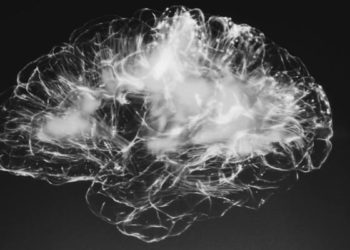
1. A participant with amyotrophic lateral sclerosis (ALS) and severe dysarthria underwent surgical implantation of microelectrode arrays set up to decode cortical activity as he attempted to speak.

2. The neuroprosthesis was calibrated rapidly through training to achieve a performance level sufficient for conversational communication by 8.4 months.

Evidence Rating Level: 4 (Below Average)

Study Rundown: Patients with neurologic disorders may develop difficulty and inability to communicate, which predisposes them to isolation, impairs quality of life, and impacts care decisions. Current assistive technologies, such as head or eye trackers, are limited by low information transfer rates and become unfeasible as patients lose voluntary motor control. Brain-computer interfaces to decode neural activity into intended speech are emerging as a promising alternative, with most being developed based on retrospective data from able-bodied speakers under electrophysiological monitoring. This was a case report of a 45-year-old man with ALS with tetraparesis and severe dysarthria who underwent implantation of microelectrode arrays into the left ventral precentral gyrus five years after disease onset. The neuroprosthesis system calibrated rapidly through usage and training data from the patient’s attempted speech, achieving 99.6% accuracy on a 50-word vocabulary on day one, 90.2% accuracy on a 125,000-word vocabulary on day two, and eventually sustaining 97.5% accuracy by 8.4 months after implantation. The participant could communicate in self-paced conversations at a rate of 32 words per minute in a voice modeled after his pre-ALS voice.

Click here to read the study in NEJM 

Relevant Reading: Neuroprosthesis for Decoding Speech in a Paralyzed Person with Anarthria

RELATED REPORTS

Physical frailty is associated with increased risk of epilepsy

Tenecteplase (TNKase) may worsen functional outcomes in older patients with minor ischemic stroke

Transcranial ultrasound stimulation may modulate acute heat pain perception

In-Depth [case report]: This was a case report of a 45-year-old man with ALS who had begun showing symptoms five years before enrollment. At enrollment, the participant was non-ambulatory, dependent on others for his activities of daily living, and had severe dysarthria. His ALS Functional Rating Scale-Revised score was 23 out of 48. He was cognitively intact, scoring 27 out of 27 on the modified Mini-Mental State Examination. The severity of dysarthria was stable throughout the study period. His neuro-implantation target was refined using the Human Connectome Project mapping to the language-related area 55b. Four microelectrode arrays, totaling 256 intracortical electrodes, were implanted in July 2023 into the participant’s left pre-central gyrus, a key cortical region for coordinating motor activities of speech. Each electrode was designed to record from one or a few cortical neurons. No serious adverse events were observed following the procedure. Data was collected across 84 sessions over 32 weeks, where the participant would perform attempts at speech through instruction video copy tasks and self-paced unstructured conversations. The computer outputs were limited to a 125,000-word dictionary. On the first day of use, the system demonstrated a 99.6% (95% confidence interval [CI] 98.6-100%) accuracy with a 50-word vocabulary. On the second day, with an additional 1.4 hours of training data, the neuroprosthesis achieved 90.2% (95% CI 84.0-95.9%) accuracy of a 125,000-word vocabulary. By session 84 at 8.4 months after implantation, the accuracy was maintained at approximately 97.5%, with the participant communicating at 31.6 words per minute (95% CI 31.2-32.0) in self-paced conversations. Compared to previous studies utilizing surface cortical neural signals, this current neuroprosthesis also demonstrated rapid calibration with significantly higher accuracy and lower training data requirements. Although whether similar results can be replicated and durability of this system as ALS progresses is unclear, this report showed the promise of intracortical neuroprosthesis in helping individuals with neurologic disorders and dysarthria communicate.

Image: PD

©2024 2 Minute Medicine, Inc. All rights reserved. No works may be reproduced without expressed written consent from 2 Minute Medicine, Inc. Inquire about licensing here. No article should be construed as medical advice and is not intended as such by the authors or by 2 Minute Medicine, Inc.

Tags: amyotrophic lateral sclerosischronic diseaseneurologyneuroprosthesis
Previous Post

#VisualAbstrcat: Lamotrigine and Mexiletine Treatments Resulted in Similar Improvements for Non-Dystrophic Myotonias

Next Post

Body roundness index may help estimate cardiovascular disease

RelatedReports

Home nursing visits for elderly after hospitalization may reduce short term mortality
Chronic Disease

Physical frailty is associated with increased risk of epilepsy

May 20, 2026
Non-alcoholic fatty liver disease and risk of incident acute myocardial infarction and stroke: findings from matched cohort study of 18 million European adults
Neurology

Tenecteplase (TNKase) may worsen functional outcomes in older patients with minor ischemic stroke

April 24, 2026
Brain lesions on MRI linked with subsequent increased stroke risk
Imaging and Intervention

Transcranial ultrasound stimulation may modulate acute heat pain perception

April 20, 2026
No difference in mortality for intensive versus standard reduction in blood pressure in intracerebral hemorrhage: The ATACH-2 trial
Emergency

Early control of systolic blood pressure following intracerebral hemorrhage may improve functional recovery

March 24, 2026
Next Post
Many new pediatric asthma cases attributable to obesity

Body roundness index may help estimate cardiovascular disease

Quick Take: Functional Outcome of Intravenous Thrombolysis in Patients With Lacunar Infarcts in the WAKE-UP Trial

2 Minute Medicine Rewind October 7, 2024

#VisualAbstract: Ziresovir Reduces Signs and Symptoms in Hospitalized Infants with Respiratory Syncytial Virus Infection

#VisualAbstract: Ziresovir Reduces Signs and Symptoms in Hospitalized Infants with Respiratory Syncytial Virus Infection

2 Minute Medicine® is an award winning, physician-run, expert medical media company. Our content is curated, written and edited by practicing health professionals who have clinical and scientific expertise in their field of reporting. Our editorial management team is comprised of highly-trained MD physicians. Join numerous brands, companies, and hospitals who trust our licensed content.

Recent Reports

  • Two scores for risk stratification of adults presenting with syncope may be effective at identifying those with low risk
  • Use of procalcitonin in neonatal late-onset sepsis may reduce the duration of antibiotic therapy without increase in mortality
  • A novel therapy targeting γ-aminobutyric acid is safe and may be effective in major depressive disorder
License Content
Terms of Use | Disclaimer
Cookie Policy
Privacy Statement (EU)
Disclaimer
  • Specialties
    • All Specialties, All Recent Reports
    • Cardiology
    • Chronic Disease
    • Dermatology
    • Emergency
    • Endocrinology
    • Gastroenterology
    • Imaging and Intervention
    • Infectious Disease
    • Nephrology
    • Neurology
    • Obstetrics
    • Oncology
    • Ophthalmology
    • Pediatrics
    • Pharma
    • Preclinical
    • Psychiatry
    • Public Health
    • Pulmonology
    • Rheumatology
    • Surgery
  • Tools
    • EvidencePulse™
    • RVU Search
    • NPI Registry Lookup
  • Pharma
  • AI News
  • The Scan
  • Classics™
    • 2MM+ Online Access
    • Paperback and Ebook
  • Rewinds
  • Partners
    • License Content
    • Submit Press Release
    • Advertise with Us
  • Account
    • Subscribe
    • Sign-in
    • My account
No Result
View All Result

© 2026 2 Minute Medicine, Inc. - Physician-written medical news.