• About
  • Masthead
  • License Content
  • Advertise
  • Submit Press Release
  • RSS/Email List
  • 2MM Podcast
  • Write for us
  • Contact Us
2 Minute Medicine
No Result
View All Result

No products in the cart.

SUBSCRIBE
  • Specialties
    • All Specialties, All Recent Reports
    • Cardiology
    • Chronic Disease
    • Dermatology
    • Emergency
    • Endocrinology
    • Gastroenterology
    • Imaging and Intervention
    • Infectious Disease
    • Nephrology
    • Neurology
    • Obstetrics
    • Oncology
    • Ophthalmology
    • Pediatrics
    • Pharma
    • Preclinical
    • Psychiatry
    • Public Health
    • Pulmonology
    • Rheumatology
    • Surgery
  • Tools
    • EvidencePulse™
    • RVU Search
    • NPI Registry Lookup
  • Pharma
  • AI News
  • The Scan+
  • Classics™+
    • 2MM+ Online Access
    • Paperback and Ebook
  • Rewinds
  • Partners
    • License Content
    • Submit Press Release
    • Advertise with Us
  • Account
    • Subscribe
    • Sign-in
    • My account
2 Minute Medicine
  • Specialties
    • All Specialties, All Recent Reports
    • Cardiology
    • Chronic Disease
    • Dermatology
    • Emergency
    • Endocrinology
    • Gastroenterology
    • Imaging and Intervention
    • Infectious Disease
    • Nephrology
    • Neurology
    • Obstetrics
    • Oncology
    • Ophthalmology
    • Pediatrics
    • Pharma
    • Preclinical
    • Psychiatry
    • Public Health
    • Pulmonology
    • Rheumatology
    • Surgery
  • Tools
    • EvidencePulse™
    • RVU Search
    • NPI Registry Lookup
  • Pharma
  • AI News
  • The Scan+
  • Classics™+
    • 2MM+ Online Access
    • Paperback and Ebook
  • Rewinds
  • Partners
    • License Content
    • Submit Press Release
    • Advertise with Us
  • Account
    • Subscribe
    • Sign-in
    • My account
SUBSCRIBE
2 Minute Medicine
Subscribe
Home All Specialties Obstetrics

Quick Take: Breast cancer risk in transgender people receiving hormone treatment

byAliya Ramjaun
May 25, 2019
in Obstetrics, Oncology, Public Health
Reading Time: 2 mins read
0
Share on FacebookShare on Twitter

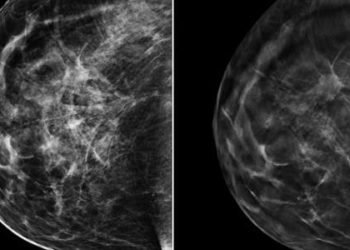
Breast cancer is the most common cancer seen in females, though it is rare in males. Transgender individuals experience incongruence between the sex assigned to them at birth and their experienced or expressed gender. Within this patient population, there has been an increase in the number of referrals for endocrine treatment, where patients can receive gender-affirming hormones, inducing desired physical changes (i.e. body hair, body composition). In trans women who are assigned male sex at birth but identify as female, this typically consists of anti-androgens and estrogens. In trans men, treatment usually consists of testosterone. In addition, while it has been established that sex steroids induce changes in breast tissue, it is not clear whether the receipt of exogenous sex steroids influences breast cancer risk in the transgender population. In this retrospective, nationwide, cohort study, 2260 adult trans women and 1229 adult trans men who received gender-affirming hormone treatment were followed-up to investigate the incidence and characteristics of breast cancer in transgender people in the Netherlands as compared to the general Dutch population. Researchers found that over the course of 33,991 person-years, there were 15 cases of invasive breast cancer in the trans women group. The median duration of hormone treatment in these patients was 18 years (range 7 to 37 years). When compared to cisgender men in the general population, this was 46-fold higher (RR 46.7, 95% CI 27.2 to 75.4), but lower than that observed in cisgender women (RR 0.3, 95% CI 0.2 to 0.4). Of these tumors, most were of ductal origin, estrogen and progesterone receptor positive, and 8.3% were HER2 positive. In the trans men subgroup, 4 cases of invasive breast cancer were identified, with a significantly decreased risk when compared to cisgender women (RR 0.2, 95% CI 0.1 to 0.5). The median duration of hormone treatment in these patients was 15 years (range 2 to 17 years). This study therefore shows that trans women receiving gender-affirming hormone treatment have an increased risk of breast cancer compared to cisgender men. This has important implications for breast cancer screening in trans women.

Click to read the study in BMJ

Image: PD

©2019 2 Minute Medicine, Inc. All rights reserved. No works may be reproduced without expressed written consent from 2 Minute Medicine, Inc. Inquire about licensing here. No article should be construed as medical advice and is not intended as such by the authors or by 2 Minute Medicine, Inc.

RELATED REPORTS

Sentinel lymph node biopsy may reduce the need for axillary dissection in cN1 breast cancer

Statins do not increase breast cancer risk in postmenopausal women

2 Minute Medicine Rewind April 6, 2026

Tags: Breast Cancerestrogentestosteronetransgender health
Previous Post

Quick Take: Eosinophil-guided corticosteroid therapy in patients admitted to hospital with COPD exacerbation (CORTICO-COP)

Next Post

Benralizumab not shown to ameliorate COPD exacerbation rates when compared to placebo

RelatedReports

3D mammography (tomosynthesis) enhances accuracy of breast cancer screening
Oncology

Sentinel lymph node biopsy may reduce the need for axillary dissection in cN1 breast cancer

May 20, 2026
Variability in interpretation of breast biopsy slides associated with low verification of atypia and ductal carcinoma in situ
Chronic Disease

Statins do not increase breast cancer risk in postmenopausal women

April 7, 2026
Stochastic resonance stimulation may decrease apnea of prematurity
Weekly Rewinds

2 Minute Medicine Rewind April 6, 2026

April 6, 2026
High frequency of germline mutations observed in triple negative breast cancers
The Scan by 2 Minute Medicine®

Susie Wiles’ breast cancer diagnosis drives national screening surge

March 25, 2026
Next Post
2 Minute Medicine Rewind May 20, 2019

Benralizumab not shown to ameliorate COPD exacerbation rates when compared to placebo

Addressing non-obesity related barriers may improve bariatric surgery effectiveness

Quick Take: Fracture risk after Roux-en-Y gastric bypass adjustable gastric banding among Medicare beneficiaries

The SENSCIS trial: nintedanib slows declines in FVC in patients with interstitial lung disease caused by systemic sclerosis

The SENSCIS trial: nintedanib slows declines in FVC in patients with interstitial lung disease caused by systemic sclerosis

2 Minute Medicine® is an award winning, physician-run, expert medical media company. Our content is curated, written and edited by practicing health professionals who have clinical and scientific expertise in their field of reporting. Our editorial management team is comprised of highly-trained MD physicians. Join numerous brands, companies, and hospitals who trust our licensed content.

Recent Reports

  • Physical frailty is associated with increased risk of epilepsy
  • Exercise continues to outperform pharmacologic longevity strategies
  • A multimodal approach combining cognitive assessment with biomarkers may accurately predict dementia risk
License Content
Terms of Use | Disclaimer
Cookie Policy
Privacy Statement (EU)
Disclaimer
  • Specialties
    • All Specialties, All Recent Reports
    • Cardiology
    • Chronic Disease
    • Dermatology
    • Emergency
    • Endocrinology
    • Gastroenterology
    • Imaging and Intervention
    • Infectious Disease
    • Nephrology
    • Neurology
    • Obstetrics
    • Oncology
    • Ophthalmology
    • Pediatrics
    • Pharma
    • Preclinical
    • Psychiatry
    • Public Health
    • Pulmonology
    • Rheumatology
    • Surgery
  • Tools
    • EvidencePulse™
    • RVU Search
    • NPI Registry Lookup
  • Pharma
  • AI News
  • The Scan
  • Classics™
    • 2MM+ Online Access
    • Paperback and Ebook
  • Rewinds
  • Partners
    • License Content
    • Submit Press Release
    • Advertise with Us
  • Account
    • Subscribe
    • Sign-in
    • My account
No Result
View All Result

© 2026 2 Minute Medicine, Inc. - Physician-written medical news.