• About
  • Masthead
  • License Content
  • Advertise
  • Submit Press Release
  • RSS/Email List
  • 2MM Podcast
  • Write for us
  • Contact Us
2 Minute Medicine
No Result
View All Result

No products in the cart.

SUBSCRIBE
  • Specialties
    • All Specialties, All Recent Reports
    • Cardiology
    • Chronic Disease
    • Dermatology
    • Emergency
    • Endocrinology
    • Gastroenterology
    • Imaging and Intervention
    • Infectious Disease
    • Nephrology
    • Neurology
    • Obstetrics
    • Oncology
    • Ophthalmology
    • Pediatrics
    • Pharma
    • Preclinical
    • Psychiatry
    • Public Health
    • Pulmonology
    • Rheumatology
    • Surgery
  • Tools
    • EvidencePulse™
    • RVU Search
    • NPI Registry Lookup
  • Pharma
  • AI News
  • The Scan+
  • Classics™+
    • 2MM+ Online Access
    • Paperback and Ebook
  • Rewinds
  • Partners
    • License Content
    • Submit Press Release
    • Advertise with Us
  • Account
    • Subscribe
    • Sign-in
    • My account
2 Minute Medicine
  • Specialties
    • All Specialties, All Recent Reports
    • Cardiology
    • Chronic Disease
    • Dermatology
    • Emergency
    • Endocrinology
    • Gastroenterology
    • Imaging and Intervention
    • Infectious Disease
    • Nephrology
    • Neurology
    • Obstetrics
    • Oncology
    • Ophthalmology
    • Pediatrics
    • Pharma
    • Preclinical
    • Psychiatry
    • Public Health
    • Pulmonology
    • Rheumatology
    • Surgery
  • Tools
    • EvidencePulse™
    • RVU Search
    • NPI Registry Lookup
  • Pharma
  • AI News
  • The Scan+
  • Classics™+
    • 2MM+ Online Access
    • Paperback and Ebook
  • Rewinds
  • Partners
    • License Content
    • Submit Press Release
    • Advertise with Us
  • Account
    • Subscribe
    • Sign-in
    • My account
SUBSCRIBE
2 Minute Medicine
Subscribe
Home All Specialties Imaging and Intervention

Rapid time to revascularization after ischemic stroke associated with improved functional outcomes
byDavid WangandDylan Wolman
May 1, 2016
in Imaging and Intervention, Neurology
Reading Time: 3 mins read
0
Share on FacebookShare on Twitter

1. In a prospective study of 97 patients with ischemic stroke who received intravenous tissue plasminogen inhibitor (tPA) and endovascular therapy, revascularization within 2.5 hours of symptom presentation was associated with high levels of future functional independence.

2. The likelihood of functional independence after treatment was reduced by 10% for a 60-minute delay to treatment beyond the 2.5 hour window, and 20% for each additional hour thereafter.

Evidence Rating Level: 2 (Good)           

Study Rundown: Ischemic stroke is the second most common cause of mortality worldwide with an incidence of over 500,000 per year in the United States alone. The use of mechanical clot retrieval in patients with ischemic stroke has previously demonstrated a dramatic improvement in efficacy over intravenous thrombolysis alone in randomized trials, however early trials were less definitive. This was thought to be due to long median times to treatment, secondary to delays in the workflow process, such as initial workup, image acquisition, and delivery of patients to angiography throughout this time-sensitive disease process. The purpose of this prospective trial was to evaluate the effectiveness of endovascular revascularization enhanced with an intensive program of workflow acceleration.

Endovascular treatment using a stent-retreiver device was performed in 97 patients who presented to the emergency department (ED) with an ischemic stroke and employed a continuous quality improvement program to monitor and improve mechanical clot retrieval workflow. At the conclusion of the trial, patients who underwent endovascular clot retrieval within 150 minutes of symptom presentation demonstrated a greater than 90% chance of returning to functional independence, as determined by a 90-day post-stroke evaluation and perfusion imaging. The first 60-minute delay after this initial 150 minute (2.5 hour) window demonstrated a 10% reduction in the probability of returning to functional independence, and each 60-minute delay thereafter further reduced that probability by 20%. Patients who initially presented to facilities capable of endovascular treatment demonstrated an approximately 100 minute faster time to reperfusion than patients who presented to surrounding facilities incapable of endovascular therapy. The results of this trial highlight the importance of timely reperfusion in preventing significant morbidity associated with ischemic stroke, and the importance of quality improvement programs in reducing the time to procedure initiation.

Click to read the study in Radiology

RELATED REPORTS

2 Minute Medicine Rewind November 3rd, 2025

Clopidogrel monotherapy is superior to aspirin for secondary prevention in coronary artery disease

DAWN Trial: Redefining the Treatment Window for Stroke Thrombectomy

Relevant Reading: Solitaire™ with the Intention for Thrombectomy as Primary Endovascular Treatment for Acute Ischemic Stroke (SWIFT PRIME) trial: protocol for a randomized, controlled, multicenter study comparing the Solitaire revascularization device with IV tPA with IV tPA alone in acute ischemic stroke

In-Depth [prospective cohort]: This study is a subgroup analysis of the Solitaire with the Intention for Thrombectomy as Primary Endovascular Treatment for Acute Ischemic Stroke (SWIFT PRIME) study. This was a multinational, multicenter prospective trial of 196 patients who presented with an ischemic stroke. This study analyzed the treatment workflow of 97 patients who received both tPA as well as endovascular revascularization using a stent-retriever device. Key time intervals recorded were time of symptom onset to arrival at ED, arrival at ED to start of imaging, start of imaging to imaging acquisition, image acquisition to acquisition of post-processing penumbral map, image acquisition to groin puncture, and groin puncture to reperfusion. A centralized quality improvement team analyzed the workflow data from each patient and offered suggestions for potential workflow improvements. The probability of functional independence was predicted by the modified Rankin score at 90 days. At the conclusion of the trial, the median time of arrival to ED to groin puncture, and onset of symptoms to reperfusion was 90 minutes (IQR: 69 to 120 minutes) and 129 minutes (IQR: 108 to 169 minutes), respectively. Multivariable regression analysis demonstrate that a symptom onset to reperfusion time of 150 minutes is associated with a 91% estimated probability of functional independence. The probability of functional independence decreases by 10% in the subsequent 60 minutes of delay and another 20% for every hour thereafter. Patients who presented to a center with mechanical clot retrieval capabilities were associated with a significantly decreased time from symptom presentation to groin puncture as compared to patients who presented to a local referral center (179.5 versus 275 minutes; p < 0.001).

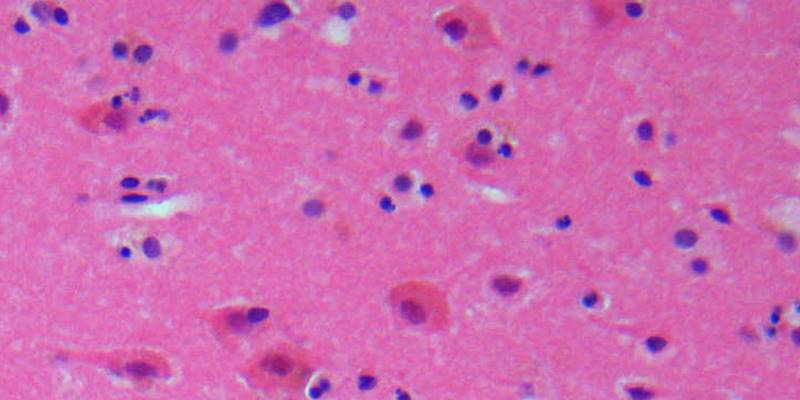
Image: CC/Wiki/Martin Hasselblatt MD

©2015 2 Minute Medicine, Inc. All rights reserved. No works may be reproduced without expressed written consent from 2 Minute Medicine, Inc. Inquire about licensing here. No article should be construed as medical advice and is not intended as such by the authors or by 2 Minute Medicine, Inc.

Tags: endovascular treatmentstroke
Previous Post

Natural language processing may automate data extraction from radiologic reports

Next Post

Advanced maternal age associated with obstetric pelvic floor trauma

RelatedReports

Rivaroxaban likely reduces risk of recurrent stroke in specific subgroup of patients with embolic stroke of undetermined source
Weekly Rewinds

2 Minute Medicine Rewind November 3rd, 2025

January 13, 2026
Nearly Half of All Pediatric Buprenorphine Exposures Result in Hospitalization
Cardiology

Clopidogrel monotherapy is superior to aspirin for secondary prevention in coronary artery disease

October 30, 2025
Non-alcoholic fatty liver disease and risk of incident acute myocardial infarction and stroke: findings from matched cohort study of 18 million European adults
Career Development

DAWN Trial: Redefining the Treatment Window for Stroke Thrombectomy

October 3, 2025
#VisualAbstract: Alteplase Improves Outcomes in Acute Ischemic Stroke
StudyGraphics

#VisualAbstract: Alteplase Improves Outcomes in Acute Ischemic Stroke

August 22, 2025
Next Post
Late gestation antidepressant use linked to postpartum hemorrhage

Advanced maternal age associated with obstetric pelvic floor trauma

Thrombophilia-associated stillbirth risk appears limited to factor V Leiden

Thrombophilia-associated stillbirth risk appears limited to factor V Leiden

Girls with familial breast cancer history are well-adjusted

Despite safety standards, playground-related injury remains a concern

2 Minute Medicine® is an award winning, physician-run, expert medical media company. Our content is curated, written and edited by practicing health professionals who have clinical and scientific expertise in their field of reporting. Our editorial management team is comprised of highly-trained MD physicians. Join numerous brands, companies, and hospitals who trust our licensed content.

Recent Reports

  • Duloxetine is effective in refractory chronic cough
  • AstraZeneca moves to own multimodal oncology AI with Modella
  • Cast immobilization is non-inferior to surgical intervention in isolated Weber B fractures of lateral malleolus
License Content
Terms of Use | Disclaimer
Cookie Policy
Privacy Statement (EU)
Disclaimer

© 2025 2 Minute Medicine, Inc. - Physician-written medical news.

  • Specialties
    • All Specialties, All Recent Reports
    • Cardiology
    • Chronic Disease
    • Dermatology
    • Emergency
    • Endocrinology
    • Gastroenterology
    • Imaging and Intervention
    • Infectious Disease
    • Nephrology
    • Neurology
    • Obstetrics
    • Oncology
    • Ophthalmology
    • Pediatrics
    • Pharma
    • Preclinical
    • Psychiatry
    • Public Health
    • Pulmonology
    • Rheumatology
    • Surgery
  • Tools
    • EvidencePulse™
    • RVU Search
    • NPI Registry Lookup
  • Pharma
  • AI News
  • The Scan
  • Classics™
    • 2MM+ Online Access
    • Paperback and Ebook
  • Rewinds
  • Partners
    • License Content
    • Submit Press Release
    • Advertise with Us
  • Account
    • Subscribe
    • Sign-in
    • My account
No Result
View All Result

© 2025 2 Minute Medicine, Inc. - Physician-written medical news.