• About
  • Masthead
  • License Content
  • Advertise
  • Submit Press Release
  • RSS/Email List
  • 2MM Podcast
  • Write for us
  • Contact Us
2 Minute Medicine
No Result
View All Result

No products in the cart.

SUBSCRIBE
  • Specialties
    • All Specialties, All Recent Reports
    • Cardiology
    • Chronic Disease
    • Dermatology
    • Emergency
    • Endocrinology
    • Gastroenterology
    • Imaging and Intervention
    • Infectious Disease
    • Nephrology
    • Neurology
    • Obstetrics
    • Oncology
    • Ophthalmology
    • Pediatrics
    • Pharma
    • Preclinical
    • Psychiatry
    • Public Health
    • Pulmonology
    • Rheumatology
    • Surgery
  • Tools
    • EvidencePulse™
    • RVU Search
    • NPI Registry Lookup
  • Pharma
  • AI News
  • The Scan+
  • Classics™+
    • 2MM+ Online Access
    • Paperback and Ebook
  • Rewinds
  • Partners
    • License Content
    • Submit Press Release
    • Advertise with Us
  • Account
    • Subscribe
    • Sign-in
    • My account
2 Minute Medicine
  • Specialties
    • All Specialties, All Recent Reports
    • Cardiology
    • Chronic Disease
    • Dermatology
    • Emergency
    • Endocrinology
    • Gastroenterology
    • Imaging and Intervention
    • Infectious Disease
    • Nephrology
    • Neurology
    • Obstetrics
    • Oncology
    • Ophthalmology
    • Pediatrics
    • Pharma
    • Preclinical
    • Psychiatry
    • Public Health
    • Pulmonology
    • Rheumatology
    • Surgery
  • Tools
    • EvidencePulse™
    • RVU Search
    • NPI Registry Lookup
  • Pharma
  • AI News
  • The Scan+
  • Classics™+
    • 2MM+ Online Access
    • Paperback and Ebook
  • Rewinds
  • Partners
    • License Content
    • Submit Press Release
    • Advertise with Us
  • Account
    • Subscribe
    • Sign-in
    • My account
SUBSCRIBE
2 Minute Medicine
Subscribe
Home All Specialties Chronic Disease

Semaglutide 2.4 mg once a week decreases bodyweight in overweight or obese patients with type 2 diabetes
byNeel MistryandTeddy Guo
June 25, 2021
in Chronic Disease, Endocrinology
Reading Time: 3 mins read
0
Share on FacebookShare on Twitter

1. Change in mean bodyweight was -9.6% with semaglutide 2.4 mg vs. -3.4% with placebo.

2. Approximately two-thirds of patients on semaglutide 2.4 mg achieved a target HbA1c of 6.5% or less.

 Evidence Rating Level: 1 (Excellent)

Study Rundown: There is strong overlap between weight gain and type 2 diabetes, with the majority of diabetic patients being overweight or obese by BMI measures. GLP-1 receptor agonists, which are known to elicit weight reduction in patients, are recommended as the second-line therapy for type 2 diabetes. Among GLP-1 receptor agonists that are currently available, semaglutide 1.0 mg has previously shown the greatest effect for weight loss. This multicenter, randomized controlled trial aimed to evaluate the safety and efficacy of weekly subcutaneous injections of semaglutide 2.4 mg vs. semaglutide 1.0 mg (the recommended dose) and placebo for weight reduction in overweight or obese adults with type 2 diabetes. Primary endpoints for this study were change in bodyweight at week 68 and loss of bodyweight by 5% or more from baseline (semaglutide 2.4 mg vs. placebo). Secondary endpoints included the proportion of patients who achieved 10-15% reduction in weight and changes in metabolic syndrome parameters (waist circumference, HbA1c, and blood pressure). According to study results, the primary endpoint of weight loss was significantly greater in the semaglutide 2.4 mg group compared to placebo and semaglutide 1.4 mg. In addition, more patients on semaglutide 2.4 mg achieved weight reductions of 5% or greater. This trial was strengthened by a double-blind, placebo-controlled design with patients from different countries. However, given the difficulty of long-term weight management, a longer follow-up may be warranted to evaluate the sustainability of this weight-loss intervention. Overall, this study provided valuable insight into the use of high dose semaglutide for weight reduction in diabetic patients.

Click to read the study in The Lancet

Relevant Reading: Once-Weekly Semaglutide in Adults with Overweight or Obesity

RELATED REPORTS

Lilly’s retatrutide achieves significant weight loss and A1C reduction in Phase 3 trial

2 Minute Medicine: Pharma Roundup – Pfizer’s Talzenna delays prostate cancer progression, apixaban lowers VTE bleeding risk, Lilly’s retatrutide hits Phase III metabolic targets, and FDA warns Novo Nordisk over safety reporting violations [March 2026]

Dipeptidyl peptidase-4 inhibitors may be associated with an increased incidence of malignancy

In-depth [randomized controlled trial]: Between June 4 and Nov 14, 2018, 1595 patients were assessed across 149 outpatient clinics in 12 countries. Included patients were those ≥ 18 years of age with a body-mass index (BMI) ≥ 27 kg/m2, HbA1c of 7-10%, and a diagnosis of type 2 diabetes at least 180 days before screening. Patients with self-reported changes in bodyweight ≥ 5 kg within 90 days before screening and previous obesity treatment were excluded. Altogether, 1210 patients (404 in semaglutide 2.4 mg, 403 in semaglutide 1.0 mg, and 403 in placebo) were enrolled in the intention-to-treat analysis.

Among enrolled patients, the mean bodyweight was 99.8 kg (standard deviation [SD] 21.5) and the mean BMI was 35.7 kg/m2 (SD 6.3). The mean weight reduction from baseline to 68 weeks was significantly greater for semaglutide 2.4 mg (-9.6%, SD 0.4) than for semaglutide 1.0 mg (-7.0%, SD 0.4) and placebo (-3.4%, SD 0.4). The estimated treatment difference between semaglutide 2.4 mg and placebo was -6.2% (95% confidence interval [CI] -7.3 to -5.2, p<0.0001). Furthermore, the primary endpoint of ≥ 5% reduction in baseline bodyweight at week 68 was also greater in the high dose semaglutide group (267 of 388, 68.8%) compared to low dose semaglutide (217 of 380, 57.1%, OR 1.62, 95% CI 1.21-2.18, p=0.0012) or placebo (107 of 376, 28.5%, odds ratio [OR] 4.88, 95% CI 3.58-6.64, p<0.0001). Similarly, more patients achieved reductions of 10%, 15%, or 20% at week 68 with semaglutide 2.4 mg. In terms of secondary endpoints, significant benefits in waist circumference and systolic blood pressure were observed among patients receiving semaglutide 2.4 mg than placebo. A similar trend was seen for HbA1c at week 68 across all three groups (-1.6% for semaglutide 2.4 mg, -1.5% for semaglutide 1.0 mg, and -0.4% for placebo). High dose semaglutide was associated with more frequent adverse events (87.6%) than semaglutide 1.0 (81.8%) and placebo (76.9%). Findings from this study showed that semaglutide 2.4 mg is superior to semaglutide 1.0 mg and placebo for weight reduction in overweight and obese patients with type 2 diabetes.

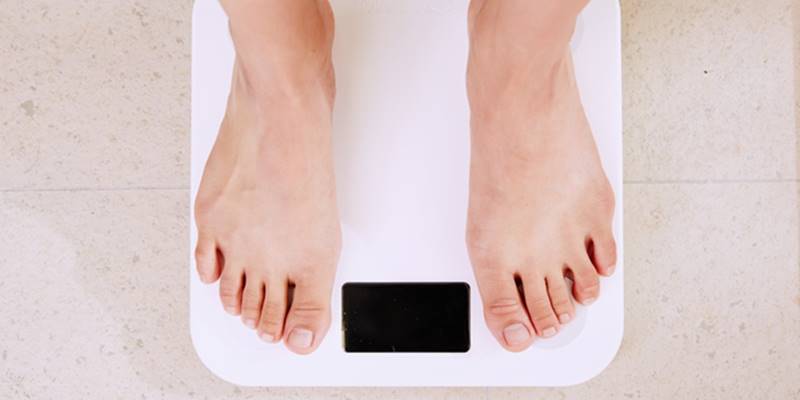
Image: PD

©2021 2 Minute Medicine, Inc. All rights reserved. No works may be reproduced without expressed written consent from 2 Minute Medicine, Inc. Inquire about licensing here. No article should be construed as medical advice and is not intended as such by the authors or by 2 Minute Medicine, Inc.

Tags: diabetesdiabetes mellitusGLP-1 agonisthba1cobesityoverweightsemaglutidetype 2 diabetesType 2 Diabetes Mellitusweight controlweight lossweight management
Previous Post

#VisualAbstract: Early discontinuation of endocrine therapy may increase risk of breast cancer recurrence in premenopausal women

Next Post

#VisualAbstract: Pegcetacoplan improved hemoglobin levels in eculizumab-treated paroxysmal nocturnal hemoglobinuria patients

RelatedReports

Sleep duration inversely related to childhood type 2 diabetes risk makers
Cardiology

Lilly’s retatrutide achieves significant weight loss and A1C reduction in Phase 3 trial

April 3, 2026
2 Minute Medicine: Pharma Roundup: Price Hikes, Breakthrough Approvals, Legal Showdowns, Biotech Expansion, and Europe’s Pricing Debate [May 12nd, 2025]
Endocrinology

2 Minute Medicine: Pharma Roundup – Pfizer’s Talzenna delays prostate cancer progression, apixaban lowers VTE bleeding risk, Lilly’s retatrutide hits Phase III metabolic targets, and FDA warns Novo Nordisk over safety reporting violations [March 2026]

March 30, 2026
Intrapartum serum prolactin may predict risk of postpartum diabetes
Chronic Disease

Dipeptidyl peptidase-4 inhibitors may be associated with an increased incidence of malignancy

March 26, 2026
Risk of autism in offspring linked to maternal pregestational diabetes and severe obesity
Weekly Rewinds

2 Minute Medicine Rewind March 23, 2026

March 23, 2026
Next Post
#VisualAbstract: ChAdOx1-nCoV-19 vaccine maintains efficacy despite a longer prime-boost interval

#VisualAbstract: Pegcetacoplan improved hemoglobin levels in eculizumab-treated paroxysmal nocturnal hemoglobinuria patients

Novel coronavirus identified from patients with pneumonia in Wuhan, China

Reinfection rates among patients previously testing positive for COVID-19

#VisualAbstract CARDAMON case series: Thrombotic microangiopathy in newly diagnosed multiple myeloma patients receiving carfilzomib, cyclophosphamide, and dexamethasone can be preventatively managed

#VisualAbstract CARDAMON case series: Thrombotic microangiopathy in newly diagnosed multiple myeloma patients receiving carfilzomib, cyclophosphamide, and dexamethasone can be preventatively managed

2 Minute Medicine® is an award winning, physician-run, expert medical media company. Our content is curated, written and edited by practicing health professionals who have clinical and scientific expertise in their field of reporting. Our editorial management team is comprised of highly-trained MD physicians. Join numerous brands, companies, and hospitals who trust our licensed content.

Recent Reports

  • Brown University study warns of systemic ethical risks in artificial intelligence therapy chatbots
  • Maternal smoking is associated with increased risk of sudden unexpected infant death
  • NVIDIA GTC 2026 unveils Isaac GR00T foundation model for surgical robotics
License Content
Terms of Use | Disclaimer
Cookie Policy
Privacy Statement (EU)
Disclaimer

The Classics in Medicine Paperback Released!

Over the past 30 years, the transition from print to digital media has contributed to an exponential increase in medical literature. In response, 2 Minute Medicine presents 160+ authoritative, physician-written summaries of the most cited landmark trials in medicine.

amazon-logo_blackGet-it-on-iBooks-badge

Click anywhere to close this announcement

  • Specialties
    • All Specialties, All Recent Reports
    • Cardiology
    • Chronic Disease
    • Dermatology
    • Emergency
    • Endocrinology
    • Gastroenterology
    • Imaging and Intervention
    • Infectious Disease
    • Nephrology
    • Neurology
    • Obstetrics
    • Oncology
    • Ophthalmology
    • Pediatrics
    • Pharma
    • Preclinical
    • Psychiatry
    • Public Health
    • Pulmonology
    • Rheumatology
    • Surgery
  • Tools
    • EvidencePulse™
    • RVU Search
    • NPI Registry Lookup
  • Pharma
  • AI News
  • The Scan
  • Classics™
    • 2MM+ Online Access
    • Paperback and Ebook
  • Rewinds
  • Partners
    • License Content
    • Submit Press Release
    • Advertise with Us
  • Account
    • Subscribe
    • Sign-in
    • My account
No Result
View All Result

© 2026 2 Minute Medicine, Inc. - Physician-written medical news.