• About
  • Masthead
  • License Content
  • Advertise
  • Submit Press Release
  • RSS/Email List
  • 2MM Podcast
  • Write for us
  • Contact Us
2 Minute Medicine
No Result
View All Result

No products in the cart.

SUBSCRIBE
  • Specialties
    • All Specialties, All Recent Reports
    • Cardiology
    • Chronic Disease
    • Dermatology
    • Emergency
    • Endocrinology
    • Gastroenterology
    • Imaging and Intervention
    • Infectious Disease
    • Nephrology
    • Neurology
    • Obstetrics
    • Oncology
    • Ophthalmology
    • Pediatrics
    • Pharma
    • Preclinical
    • Psychiatry
    • Public Health
    • Pulmonology
    • Rheumatology
    • Surgery
  • Tools
    • EvidencePulse™
    • RVU Search
    • NPI Registry Lookup
  • Pharma
  • AI News
  • The Scan+
  • Classics™+
    • 2MM+ Online Access
    • Paperback and Ebook
  • Rewinds
  • Partners
    • License Content
    • Submit Press Release
    • Advertise with Us
  • Account
    • Subscribe
    • Sign-in
    • My account
2 Minute Medicine
  • Specialties
    • All Specialties, All Recent Reports
    • Cardiology
    • Chronic Disease
    • Dermatology
    • Emergency
    • Endocrinology
    • Gastroenterology
    • Imaging and Intervention
    • Infectious Disease
    • Nephrology
    • Neurology
    • Obstetrics
    • Oncology
    • Ophthalmology
    • Pediatrics
    • Pharma
    • Preclinical
    • Psychiatry
    • Public Health
    • Pulmonology
    • Rheumatology
    • Surgery
  • Tools
    • EvidencePulse™
    • RVU Search
    • NPI Registry Lookup
  • Pharma
  • AI News
  • The Scan+
  • Classics™+
    • 2MM+ Online Access
    • Paperback and Ebook
  • Rewinds
  • Partners
    • License Content
    • Submit Press Release
    • Advertise with Us
  • Account
    • Subscribe
    • Sign-in
    • My account
SUBSCRIBE
2 Minute Medicine
Subscribe
Home All Specialties Cardiology

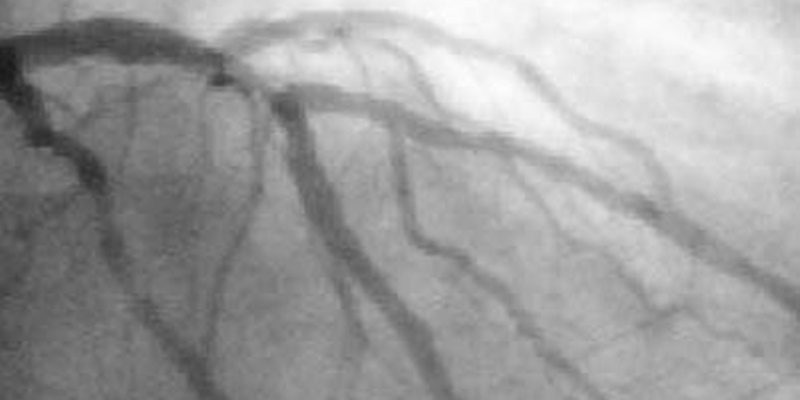
Subclinical coronary atherosclerosis is associated with increased risk of myocardial infarction
byDavid XiangandKiera Liblik
April 4, 2023
in Cardiology, Chronic Disease
Reading Time: 2 mins read
0
Share on FacebookShare on Twitter

1. In asymptomatic patients, subclinical coronary atherosclerosis was associated with an eight-fold elevated risk for myocardial infarction (MI).

2. Patients with obstructive and extensive subclinical coronary atherosclerosis had the highest risk of MI.

Evidence Rating Level: 1 (Excellent)

Study Rundown: Subclinical coronary atherosclerosis can precede ischemic heart disease and evolve at an early age, many years before clinical disease develops. In the past, obstructive coronary artery disease, defined as luminal coronary stenosis of 50% or greater, has been shown to be a key feature of elevated risk for MI. With the advent of coronary computed tomography (CTA), it is easier to diagnose obstructive coronary atherosclerosis. However, there is a gap in knowledge as to understanding characteristics of subclinical coronary atherosclerosis that are associated with an increased risk of MI in asymptomatic persons without known ischemic heart disease. Overall, this study found that obstructive subclinical coronary atherosclerosis had the highest risk for subsequent development of MI in asymptomatic, middle-aged persons. This study was limited by participants being mostly White persons of Nordic European ancestry and that patients undergoing coronary CTA tended to have fewer cardiovascular risk factors, higher education level, and higher income class. Nevertheless, these study’s findings are significant, as they demonstrate that obstructive subclinical coronary atherosclerosis is associated with more than an eight-fold elevated risk for MI in asymptomatic patients.

Click to read the study in AIM

Relevant Reading: Contemporary Natural History of Coronary Artery Disease

RELATED REPORTS

Two scores for risk stratification of adults presenting with syncope may be effective at identifying those with low risk

Resuscitative endovascular balloon occlusion of the aorta may not improve outcomes in adults with non-traumatic out-of-hospital cardiac arrest

Invasive management for non-ST-segment elevation myocardial infarction in frail patients may not improve mortality

In-Depth [prospective observational study]: This prospective observational cohort study studied patients in the greater Copenhagen area. Patients who had coronary CTA that were age 40 or older with normal kidney function were eligible for the study. Patients with known clinically manifested ischemic heart disease (defined as either previous clinical diagnosis of myocardial infarction), percutaneous coronary intervention, coronary artery bypass graft, hospital admittance with suspected unstable angina pectoris (within the past ten years before inclusion as recorded in the Danish National Patient Registry), or self-reported chest pain at the time of the study were excluded. The primary outcome measured was MI, as well as a composite of all-cause death or MI. Outcomes in the primary analysis were assessed via Cox proportional hazards regression models. Based on the primary analysis, the risk for MI was increased in persons with obstructive (adjusted relative risk, 9.19; 95% Confidence Interval [CI], 4.49 to 18.11) and extensive (7.65; 95% CI, 3.53 to 16.57) disease. The highest risk for MI was found in patients with obstructive-extensive subclinical coronary atherosclerosis (adjusted relative risk, 12.48; 95% CI, 5.50 to 28.12) or obstructive-nonextensive (adjusted relative risk, 8.28; 95% CI, 3.75 to 18.32). The risk for the composite end point of death or MI was increased in persons with extensive disease, regardless of the degree of obstruction. In summary, these study’s results demonstrate that subclinical obstructive coronary atherosclerosis is associated with an increased risk for MI in middle-aged asymptomatic persons.

Image: PD

©2023 2 Minute Medicine, Inc. All rights reserved. No works may be reproduced without expressed written consent from 2 Minute Medicine, Inc. Inquire about licensing here. No article should be construed as medical advice and is not intended as such by the authors or by 2 Minute Medicine, Inc.

Tags: ACSacute coronary syndromecardiologychronic diseasecoronary computed tomographyheart attackmyocardial infarctionrisk stratificationSubclinical coronary atherosclerosis
Previous Post

The Scan by 2 Minute Medicine®: Cystic Fibrosis and Make-A-Wish, Wyoming Bans Abortion Pills, Justin Bieber and Ramsay Hunt Syndrome, Colon Cancer in Young Adults

Next Post

Antidepressant augmentation associated with improved outcomes in treatment-resistant geriatric depression

RelatedReports

Computed tomography improves diagnostic certainty in the emergency department
Cardiology

Two scores for risk stratification of adults presenting with syncope may be effective at identifying those with low risk

May 29, 2026
Antiarrhythmic drugs have no survival benefit in shock-refractory out-of-hospital cardiac arrest
Cardiology

Resuscitative endovascular balloon occlusion of the aorta may not improve outcomes in adults with non-traumatic out-of-hospital cardiac arrest

May 14, 2026
PCI not superior to medical therapy alone in stable coronary disease: The COURAGE study
Cardiology

Invasive management for non-ST-segment elevation myocardial infarction in frail patients may not improve mortality

April 30, 2026
Novel coronavirus identified from patients with pneumonia in Wuhan, China
Cardiology

COVID-19 vaccination is associated with reduced risk of new-onset atrial fibrillation following COVID-19 infection

April 29, 2026
Next Post
Gender conformity influences use of laxatives and muscle-building products

Antidepressant augmentation associated with improved outcomes in treatment-resistant geriatric depression

RTS,SA/S01 anti-malarial vaccine efficacy wanes significantly over time

Treatment with dihydroartemisinin-piperaquine does not improve pregnancy outcomes in women with malaria

Fish oil and aspirin did not reduce arteriovenous fistula failure: The FAVOURED trail

Risk factors for blood vessel rupture during vascular access intervention therapy for hemodialysis patients

2 Minute Medicine® is an award winning, physician-run, expert medical media company. Our content is curated, written and edited by practicing health professionals who have clinical and scientific expertise in their field of reporting. Our editorial management team is comprised of highly-trained MD physicians. Join numerous brands, companies, and hospitals who trust our licensed content.

Recent Reports

  • TikTok’s cortisol face trend meets endocrine reality
  • Semaglutide (Ozempic) raises questions about mood and nonresponse
  • Cruise ship hantavirus outbreak turns into a global contact tracing test
License Content
Terms of Use | Disclaimer
Cookie Policy
Privacy Statement (EU)
Disclaimer
  • Specialties
    • All Specialties, All Recent Reports
    • Cardiology
    • Chronic Disease
    • Dermatology
    • Emergency
    • Endocrinology
    • Gastroenterology
    • Imaging and Intervention
    • Infectious Disease
    • Nephrology
    • Neurology
    • Obstetrics
    • Oncology
    • Ophthalmology
    • Pediatrics
    • Pharma
    • Preclinical
    • Psychiatry
    • Public Health
    • Pulmonology
    • Rheumatology
    • Surgery
  • Tools
    • EvidencePulse™
    • RVU Search
    • NPI Registry Lookup
  • Pharma
  • AI News
  • The Scan
  • Classics™
    • 2MM+ Online Access
    • Paperback and Ebook
  • Rewinds
  • Partners
    • License Content
    • Submit Press Release
    • Advertise with Us
  • Account
    • Subscribe
    • Sign-in
    • My account
No Result
View All Result

© 2026 2 Minute Medicine, Inc. - Physician-written medical news.