• About
  • Masthead
  • License Content
  • Advertise
  • Submit Press Release
  • RSS/Email List
  • 2MM Podcast
  • Write for us
  • Contact Us
2 Minute Medicine
No Result
View All Result

No products in the cart.

SUBSCRIBE
  • Specialties
    • All Specialties, All Recent Reports
    • Cardiology
    • Chronic Disease
    • Dermatology
    • Emergency
    • Endocrinology
    • Gastroenterology
    • Imaging and Intervention
    • Infectious Disease
    • Nephrology
    • Neurology
    • Obstetrics
    • Oncology
    • Ophthalmology
    • Pediatrics
    • Pharma
    • Preclinical
    • Psychiatry
    • Public Health
    • Pulmonology
    • Rheumatology
    • Surgery
  • Tools
    • EvidencePulse™
    • RVU Search
    • NPI Registry Lookup
  • Pharma
  • AI News
  • The Scan+
  • Classics™+
    • 2MM+ Online Access
    • Paperback and Ebook
  • Rewinds
  • Partners
    • License Content
    • Submit Press Release
    • Advertise with Us
  • Account
    • Subscribe
    • Sign-in
    • My account
2 Minute Medicine
  • Specialties
    • All Specialties, All Recent Reports
    • Cardiology
    • Chronic Disease
    • Dermatology
    • Emergency
    • Endocrinology
    • Gastroenterology
    • Imaging and Intervention
    • Infectious Disease
    • Nephrology
    • Neurology
    • Obstetrics
    • Oncology
    • Ophthalmology
    • Pediatrics
    • Pharma
    • Preclinical
    • Psychiatry
    • Public Health
    • Pulmonology
    • Rheumatology
    • Surgery
  • Tools
    • EvidencePulse™
    • RVU Search
    • NPI Registry Lookup
  • Pharma
  • AI News
  • The Scan+
  • Classics™+
    • 2MM+ Online Access
    • Paperback and Ebook
  • Rewinds
  • Partners
    • License Content
    • Submit Press Release
    • Advertise with Us
  • Account
    • Subscribe
    • Sign-in
    • My account
SUBSCRIBE
2 Minute Medicine
Subscribe
Home All Specialties Chronic Disease

Sunitinib showed no change in overall survival for metastatic prostate cancer

byAndrew Bishara
December 13, 2013
in Chronic Disease, Oncology
Reading Time: 3 mins read
0
Share on FacebookShare on Twitter

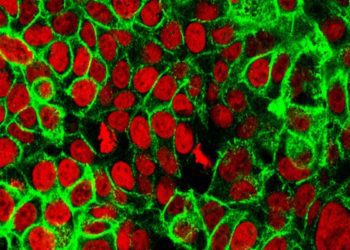
Image: PD

1. Adding angiogenesis-targeted sunitinib therapy to prednisone in the treatment of metastatic castration-resistant prostate cancer (mCRPC) does significantly improves progression-free survival, but not overall survival.

2. The potential uses of anti-angiogenic therapy in this setting requires further investigation.

Evidence rating level: 1 (Excellent)

Study Rundown: The standard approach to managing metastatic, castration-resistant prostate cancer includes docetaxel-based chemotherapy. However, further malignant progression on this regimen generally leaves only limited options for patients. Previous studies suggest that prostate cancer growth is dependent on angiogenesis, and so sunitinib, a multi-targeted inhibitor of VEGFRs and PDGFRs, may have potential use in this clinical picture. The purpose of this study was to determine whether adding sunitinib to prednisone therapy for men with progressive mCRPC after docetaxel-based chemotherapy improves overall or progression-free survival.

After comparing two treatment arms, one with sunitinib and one with placebo control, the study authors found that adding sunitinib to prednisone did not improve overall survival. However, progression-free survival significantly increased in the treatment arm. Treatment related toxicities included fatigue, asthenia, hand-foot syndrome, and hematologic abnormalities. On the basis of these results, the authors concluded that the potential role of antiangiogenic therapy in mCRPC remains unclear. Though sunitinib improved progression-free survival, it was also associated with significant toxicities. Therefore, choosing between treatment options remains a difficult task for both patients and physicians.

RELATED REPORTS

Immunosuppression with systemic glucocorticoids close to initiation of immune checkpoint inhibitor is associated with worse survival outcomes

Sequential compared to upfront treatment of metastatic colorectal cancer using oxaliplatin (Eloxatin) therapy may lead to similar outcomes

The incidence of early-onset metastatic adenocarcinoma may be higher among patients with multiple metastatic sites and peritoneal involvement

This study benefits from its randomized-controlled design, enrolling large numbers of patients from centers in multiple countries, and use of placebo to test the effects of sunitinib. It should be noted that progression-free survival was a secondary outcome, however.

Click to read the article in JCO

Relevant reading: Sunitinib in combination with docetaxel and prednisone in chemotherapy-naïve patients with metastatic, castration-resistant prostate cancer: a phase ½ clinical trial

In-Depth [randomized-controlled trial]: In this double-blinded, placebo-controlled trial of sunitinib therapy, the study authors enrolled patients with pathologically confirmed adenocarcinoma of the prostate that was metastatic and castration-resistant. Patients also had to have failed one previous docetaxel-based regimen. Patients were excluded if they had failed multiple chemotherapy regimens, had experienced brain metastases, significant cardiovascular disease or complications from bone metastases. A total of 873 patients from multiple centers were randomly assigned 2:1 to either oral sunitinib (n = 584) or matched placebo (n = 289) in addition to oral prednisone therapy. The primary end point was overall survival, defined as time from randomization to death. Secondary end points included progression-free survival.

After a median follow-up of 8.7 months, median overall survival was 13.1 months and 11.8 months for sunitinib and placebo, respectively (HR 0.914, 95% CI 0.762-1.097, P = 0.168). Progression-free survival was significantly different between the two arms, median 5.6 versus 4.1 months, (HR 0.725, 95% CI, 0.591-0.89, P < 0.001).

By Monica Parks and Andrew Bishara

More from this author: Rituximab linked with reduced chronic immune disease following stem cell transplantation, High-dose prophylaxis for hemophilia increases costs with minimal benefit, Ambrisentan found ineffective against idiopathic pulmonary fibrosis

© 2013 2minutemedicine.com. All rights reserved. No works may be reproduced without expressed written consent from 2minutemedicine.com. Disclaimer: We present factual information directly from peer reviewed medical journals. No post should be construed as medical advice and is not intended as such by the authors, editors, staff or by 2minutemedicine.com. PLEASE SEE A HEALTHCARE PROVIDER IN YOUR AREA IF YOU SEEK MEDICAL ADVICE OF ANY SORT.
Tags: cancerchemotherapymetastasisoncologyoverall survivalprednisoneprogression-free survivalprostate cancer
Previous Post

Long-term gastric acid suppression associated with vitamin B12 deficiency

Next Post

In acute decompensated heart failure, treatment varies little by hemodynamic status

RelatedReports

Chronic Disease

Immunosuppression with systemic glucocorticoids close to initiation of immune checkpoint inhibitor is associated with worse survival outcomes

May 25, 2026
Development of a risk index for colorectal cancer screening
Chronic Disease

Sequential compared to upfront treatment of metastatic colorectal cancer using oxaliplatin (Eloxatin) therapy may lead to similar outcomes

May 12, 2026
Benefits of high-intensity surveillance following colorectal adenoma removal likely outweigh costs
Chronic Disease

The incidence of early-onset metastatic adenocarcinoma may be higher among patients with multiple metastatic sites and peritoneal involvement

April 30, 2026
Thoracic radiotherapy improves survival in small-cell lung cancer patients
Chronic Disease

Simvastatin (Zocor) in combination with paclitaxel (Taxol) may provide treatment benefit compared to paclitaxel alone for small cell lung cancer

April 15, 2026
Next Post
Antidepressant may reduce mental stress-induced myocardial ischemia (REMIT Trial)

In acute decompensated heart failure, treatment varies little by hemodynamic status

“Hospital Report Cards” not associated with improved trauma mortality outcomes

“Hospital Report Cards” not associated with improved trauma mortality outcomes

Repeat third trimester syphilis screening may not be cost effective

Repeat third trimester syphilis screening may not be cost effective

2 Minute Medicine® is an award winning, physician-run, expert medical media company. Our content is curated, written and edited by practicing health professionals who have clinical and scientific expertise in their field of reporting. Our editorial management team is comprised of highly-trained MD physicians. Join numerous brands, companies, and hospitals who trust our licensed content.

Recent Reports

  • Two scores for risk stratification of adults presenting with syncope may be effective at identifying those with low risk
  • Use of procalcitonin in neonatal late-onset sepsis may reduce the duration of antibiotic therapy without increase in mortality
  • A novel therapy targeting γ-aminobutyric acid is safe and may be effective in major depressive disorder
License Content
Terms of Use | Disclaimer
Cookie Policy
Privacy Statement (EU)
Disclaimer
  • Specialties
    • All Specialties, All Recent Reports
    • Cardiology
    • Chronic Disease
    • Dermatology
    • Emergency
    • Endocrinology
    • Gastroenterology
    • Imaging and Intervention
    • Infectious Disease
    • Nephrology
    • Neurology
    • Obstetrics
    • Oncology
    • Ophthalmology
    • Pediatrics
    • Pharma
    • Preclinical
    • Psychiatry
    • Public Health
    • Pulmonology
    • Rheumatology
    • Surgery
  • Tools
    • EvidencePulse™
    • RVU Search
    • NPI Registry Lookup
  • Pharma
  • AI News
  • The Scan
  • Classics™
    • 2MM+ Online Access
    • Paperback and Ebook
  • Rewinds
  • Partners
    • License Content
    • Submit Press Release
    • Advertise with Us
  • Account
    • Subscribe
    • Sign-in
    • My account
No Result
View All Result

© 2026 2 Minute Medicine, Inc. - Physician-written medical news.