• About
  • Masthead
  • License Content
  • Advertise
  • Submit Press Release
  • RSS/Email List
  • 2MM Podcast
  • Write for us
  • Contact Us
2 Minute Medicine
No Result
View All Result

No products in the cart.

SUBSCRIBE
  • Specialties
    • All Specialties, All Recent Reports
    • Cardiology
    • Chronic Disease
    • Dermatology
    • Emergency
    • Endocrinology
    • Gastroenterology
    • Imaging and Intervention
    • Infectious Disease
    • Nephrology
    • Neurology
    • Obstetrics
    • Oncology
    • Ophthalmology
    • Pediatrics
    • Pharma
    • Preclinical
    • Psychiatry
    • Public Health
    • Pulmonology
    • Rheumatology
    • Surgery
  • Tools
    • EvidencePulse™
    • RVU Search
    • NPI Registry Lookup
  • Pharma
  • AI News
  • The Scan+
  • Classics™+
    • 2MM+ Online Access
    • Paperback and Ebook
  • Rewinds
  • Partners
    • License Content
    • Submit Press Release
    • Advertise with Us
  • Account
    • Subscribe
    • Sign-in
    • My account
2 Minute Medicine
  • Specialties
    • All Specialties, All Recent Reports
    • Cardiology
    • Chronic Disease
    • Dermatology
    • Emergency
    • Endocrinology
    • Gastroenterology
    • Imaging and Intervention
    • Infectious Disease
    • Nephrology
    • Neurology
    • Obstetrics
    • Oncology
    • Ophthalmology
    • Pediatrics
    • Pharma
    • Preclinical
    • Psychiatry
    • Public Health
    • Pulmonology
    • Rheumatology
    • Surgery
  • Tools
    • EvidencePulse™
    • RVU Search
    • NPI Registry Lookup
  • Pharma
  • AI News
  • The Scan+
  • Classics™+
    • 2MM+ Online Access
    • Paperback and Ebook
  • Rewinds
  • Partners
    • License Content
    • Submit Press Release
    • Advertise with Us
  • Account
    • Subscribe
    • Sign-in
    • My account
SUBSCRIBE
2 Minute Medicine
Subscribe
Home All Specialties Cardiology

Television CPR scripts undercut bystander response in real emergencies

byDeepti Shroff
February 3, 2026
in Cardiology, The Scan by 2 Minute Medicine®
Reading Time: 2 mins read
0
Share on FacebookShare on Twitter

1. Televised CPR scenes still underrepresent hands-only compressions and realistic outcomes, shaping how viewers expect resuscitation to look.

2. Brief clinic conversations that normalize imperfect chest compressions and emphasize early action can counter years of misleading media exposure.

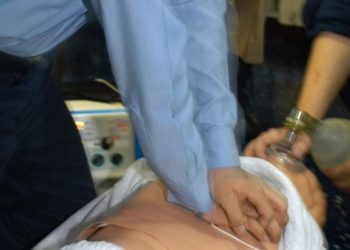
Scripted television remains a powerful tutor in the public imagination, but a recent analysis suggests it teaches cardiopulmonary resuscitation in ways that diverge meaningfully from current practice. A research summary describes how investigators reviewed episodes depicting cardiac arrest and found that timely, high-quality, hands-only compressions were rarely shown. A clinician-focused overview explains that viewers under stress often default to these dramatized scripts, which emphasize mouth-to-mouth breathing, prolonged pulse checks, and near-instantaneous recoveries. Additional news coverage has underscored concerns that such portrayals may deepen lay hesitancy to start compressions, especially when people worry about doing every step perfectly. By contrast, a large analysis of bystander interventions has shown that early chest compressions combined with dispatch assistance and community training can double or triple survival after out-of-hospital cardiac arrest. Taken together, these findings suggest that entertainment media often lag behind best practices in resuscitation and may inadvertently reinforce reluctance to act. In clinic, patients frequently voice fears of causing harm, breaking ribs, or being held responsible if outcomes are poor, concerns that resonate with the perfectionistic portrayals they see on screen. A useful countermeasure is to offer a simple script that emphasizes calling emergency services, starting firm, fast compressions in the center of the chest, and continuing until help arrives. Reframing minor injuries such as rib fractures as acceptable tradeoffs for survival can reduce hesitation. Reinforcing that imperfect hands-only CPR is almost always better than waiting for professionals can turn a brief counseling moment into a concrete preparedness intervention.

Image: PD

©2026 2 Minute Medicine, Inc. All rights reserved. No works may be reproduced without expressed written consent from 2 Minute Medicine, Inc. Inquire about licensing here. No article should be construed as medical advice and is not intended as such by the authors or by 2 Minute Medicine, Inc.

RELATED REPORTS

Exposure to air pollution is associated with increased risk of developing limitations in physical function

The incidence of psychotic disorders has increased in more recent birth cohorts

Lyme disease is associated with significant health care costs

Tags: bystander CPRcardiac arrestcardiopulmonary resuscitationhands-only compressionspublic healthsurvivaltelevision
Previous Post

Fluoxetine may improve hemodynamic status and organ dysfunction in patients with severe sepsis

Next Post

Sleeve gastrectomy may produce greater and more durable weight loss than semaglutide in patients with obesity

RelatedReports

Risk of dementia with air pollution exposure amplified in patients with heart disease
Lifestyle

Exposure to air pollution is associated with increased risk of developing limitations in physical function

February 17, 2026
Amniotic fluid lactate associated with labor disorders
Chronic Disease

The incidence of psychotic disorders has increased in more recent birth cohorts

February 9, 2026
Longer duration of antibiotic therapy does not reduce persistent symptoms in Lyme disease
Infectious Disease

Lyme disease is associated with significant health care costs

January 19, 2026
Bisphosphonate use and risk of atypical femur fractures
Orthopedic Surgery

Neighbourhood socioeconomic status may be associated with days spent at home following hip fracture in older adults

January 12, 2026
Next Post
Many new pediatric asthma cases attributable to obesity

Sleeve gastrectomy may produce greater and more durable weight loss than semaglutide in patients with obesity

Assessment of Combined Nivolumab and Bevacizumab in Relapsed Ovarian Cancer: A Phase 2 Clinical Trial

2 Minute Medicine Rewind February 2, 2026

Natural language processing may automate data extraction from radiologic reports

Ambient artificial intelligence effectively reduced work exhaustion among healthcare providers

2 Minute Medicine® is an award winning, physician-run, expert medical media company. Our content is curated, written and edited by practicing health professionals who have clinical and scientific expertise in their field of reporting. Our editorial management team is comprised of highly-trained MD physicians. Join numerous brands, companies, and hospitals who trust our licensed content.

Recent Reports

  • Maternal exposure to environmental stressors is associated with decreased odds of infant survival among preterm infants
  • Oral remibrutinib hits Phase 3 primary endpoint for inducible hives
  • Higher sleep apnea-specific hypoxic burden may predict postoperative cardiovascular complications and mortality in obstructive sleep apnea
License Content
Terms of Use | Disclaimer
Cookie Policy
Privacy Statement (EU)
Disclaimer

© 2025 2 Minute Medicine, Inc. - Physician-written medical news.

  • Specialties
    • All Specialties, All Recent Reports
    • Cardiology
    • Chronic Disease
    • Dermatology
    • Emergency
    • Endocrinology
    • Gastroenterology
    • Imaging and Intervention
    • Infectious Disease
    • Nephrology
    • Neurology
    • Obstetrics
    • Oncology
    • Ophthalmology
    • Pediatrics
    • Pharma
    • Preclinical
    • Psychiatry
    • Public Health
    • Pulmonology
    • Rheumatology
    • Surgery
  • Tools
    • EvidencePulse™
    • RVU Search
    • NPI Registry Lookup
  • Pharma
  • AI News
  • The Scan
  • Classics™
    • 2MM+ Online Access
    • Paperback and Ebook
  • Rewinds
  • Partners
    • License Content
    • Submit Press Release
    • Advertise with Us
  • Account
    • Subscribe
    • Sign-in
    • My account
No Result
View All Result

© 2025 2 Minute Medicine, Inc. - Physician-written medical news.