• About
  • Masthead
  • License Content
  • Advertise
  • Submit Press Release
  • RSS/Email List
  • 2MM Podcast
  • Write for us
  • Contact Us
2 Minute Medicine
No Result
View All Result

No products in the cart.

SUBSCRIBE
  • Specialties
    • All Specialties, All Recent Reports
    • Cardiology
    • Chronic Disease
    • Dermatology
    • Emergency
    • Endocrinology
    • Gastroenterology
    • Imaging and Intervention
    • Infectious Disease
    • Nephrology
    • Neurology
    • Obstetrics
    • Oncology
    • Ophthalmology
    • Pediatrics
    • Pharma
    • Preclinical
    • Psychiatry
    • Public Health
    • Pulmonology
    • Rheumatology
    • Surgery
  • Tools
    • EvidencePulse™
    • RVU Search
    • NPI Registry Lookup
  • Pharma
  • AI News
  • The Scan+
  • Classics™+
    • 2MM+ Online Access
    • Paperback and Ebook
  • Rewinds
  • Partners
    • License Content
    • Submit Press Release
    • Advertise with Us
  • Account
    • Subscribe
    • Sign-in
    • My account
2 Minute Medicine
  • Specialties
    • All Specialties, All Recent Reports
    • Cardiology
    • Chronic Disease
    • Dermatology
    • Emergency
    • Endocrinology
    • Gastroenterology
    • Imaging and Intervention
    • Infectious Disease
    • Nephrology
    • Neurology
    • Obstetrics
    • Oncology
    • Ophthalmology
    • Pediatrics
    • Pharma
    • Preclinical
    • Psychiatry
    • Public Health
    • Pulmonology
    • Rheumatology
    • Surgery
  • Tools
    • EvidencePulse™
    • RVU Search
    • NPI Registry Lookup
  • Pharma
  • AI News
  • The Scan+
  • Classics™+
    • 2MM+ Online Access
    • Paperback and Ebook
  • Rewinds
  • Partners
    • License Content
    • Submit Press Release
    • Advertise with Us
  • Account
    • Subscribe
    • Sign-in
    • My account
SUBSCRIBE
2 Minute Medicine
Subscribe
Home All Specialties Cardiology

Thrombectomy between 6 and 24 hours after acute stroke reduces disability: The DAWN trial
byDayton McMillan
January 4, 2018
in Cardiology, Emergency, Imaging and Intervention, Neurology, Surgery
Reading Time: 2 mins read
0
Share on FacebookShare on Twitter

1. Thrombectomy performed between 6 and 24 hours after onset of acute stroke in patients with a mismatch between stroke symptoms and infarct volume results in better disability outcomes compared to standard care alone.

2. Adverse events of intracranial hemorrhage and 90-day mortality do not differ significantly between thrombectomy and standard care-treated patients.

Evidence Rating: 1 (Excellent)

Study Rundown: Acute stroke management with thrombectomy aims to increase cerebral perfusion in order to minimize ischemic damage. Prior studies have indicated a clinical advantage to performing thrombectomy within 6 hours of stroke onset, with decreasing clinical benefit as time to thrombectomy increases. After 6 hours from stroke onset relatively fewer studies are available to aid in determining optimal stroke management with thrombectomy. In this study, the DAWN (DWI or CTP Assessment with Clinical Mismatch in the Triage of Wake-Up and Late Presenting Strokes Undergoing Neurointervention with Trevo) trial compares stroke patients with a mismatch between their clinical deficits and infarct volume treated 6 to 24 hours after symptom onset with thrombectomy plus standard care compared to standard care alone. Primary endpoints of disability and functional independence were both improved in the thrombectomy group compared to the standard treatment group at 90 days post treatment. Rates of internal hemorrhage and 90-day mortality did not significantly differ between the two groups.

This study provides significant evidence supporting thrombectomy treatment between 6 and 24 hours after stroke onset. Study strengths include participation of numerous multinational treatment centers and extensive subgroup analysis, and a notable weakness is exclusion of patients with large volume infarcts.

Click to read the study, published today in NEJM

RELATED REPORTS

Virtual reality rehabilitation is safe and feasible for upper extremity recovery after subacute ischemic stroke

2 Minute Medicine Rewind February 23, 2026

Functional recovery after maternal ischemic stroke may be commonly favourable

Relevant Reading: Time to endovascular reperfusion and degree of disability in acute stroke

In-Depth [randomized controlled trial]: This prospective, multicenter trial conducted between 2014 and 2017 randomized 206 patients to thrombectomy plus standard care (n = 107) and standard care (n = 99) groups. Eligible patients had occlusion of either the intracranial internal carotid artery, proximal middle cerebral artery, or both with a last known well time between 6 and 24 hours prior to treatment. Included patients also had a mismatch between their clinical symptom severity and infarct volume as defined by the National Institutes of Health Stroke Scale (NIHSS). Concomitant stenting was not performed in the thrombectomy group. The modified Rankin scale was used to assess co-primary endpoints of disability and functional independence.

Patients in the thrombectomy group were less disabled at 90 days post-treatment compared to the standard care group (5.5 vs 3.4 Rankin score, respectively; 95% confidence interval 1.1 to 3.0). Rates of functional independence at 90 days were 49% in the thrombectomy group and 13% in the control group (adjusted difference 33%; 95% credible interval 22 to 40). Subgroup analysis indicated significantly improved disability scores for thrombectomy-treated patients for almost all assessments (except for unwitnessed stroke). Rates of intracerebral hemorrhage (6% vs 3%, p = 0.50) and 90-day mortality (19% vs 18%, p = 1.00) did not differ between the thrombectomy and standard care groups, respectively.

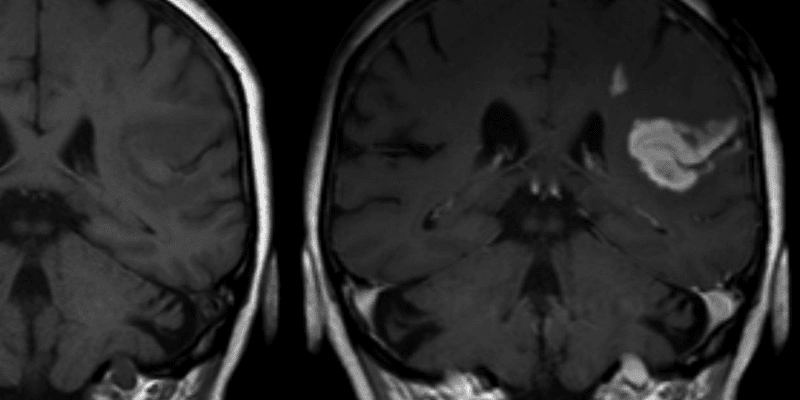
Image: CC/Wiki

©2018 2 Minute Medicine, Inc. All rights reserved. No works may be reproduced without expressed written consent from 2 Minute Medicine, Inc. Inquire about licensing here. No article should be construed as medical advice and is not intended as such by the authors or by 2 Minute Medicine, Inc.

Tags: endovascular thrombectomyischemic stroke
Previous Post

Noncigarette tobacco product use is associated with future cigarette smoking

Next Post

Microcephaly rates elevated in Brazil prior to Zika virus epidemic

RelatedReports

Non-alcoholic fatty liver disease and risk of incident acute myocardial infarction and stroke: findings from matched cohort study of 18 million European adults
Chronic Disease

Virtual reality rehabilitation is safe and feasible for upper extremity recovery after subacute ischemic stroke

February 25, 2026
Many new pediatric asthma cases attributable to obesity
Weekly Rewinds

2 Minute Medicine Rewind February 23, 2026

February 23, 2026
Non-alcoholic fatty liver disease and risk of incident acute myocardial infarction and stroke: findings from matched cohort study of 18 million European adults
Neurology

Functional recovery after maternal ischemic stroke may be commonly favourable

January 26, 2026
Many new pediatric asthma cases attributable to obesity
Weekly Rewinds

2 Minute Medicine Rewind January 26, 2026

January 26, 2026
Next Post
Microcephaly rates elevated in Brazil prior to Zika virus epidemic

Microcephaly rates elevated in Brazil prior to Zika virus epidemic

AAP supports mandatory influenza vaccination of health care providers

Herpes zoster subunit vaccine may be more cost-effective than live attenuated zoster vaccine

Palliative care intervention improves quality of life during hospitalization for hematopoietic stem cell transplantation

Autologous stem-cell transplantation improves survival in scleroderma patients: The SCOT trial

2 Minute Medicine® is an award winning, physician-run, expert medical media company. Our content is curated, written and edited by practicing health professionals who have clinical and scientific expertise in their field of reporting. Our editorial management team is comprised of highly-trained MD physicians. Join numerous brands, companies, and hospitals who trust our licensed content.

Recent Reports

  • Prednisone may have bone and cardiovascular benefits compared to hydrocortisone therapy in adrenal insufficiency
  • Lilly’s retatrutide achieves significant weight loss and A1C reduction in Phase 3 trial
  • Early surgical valve replacement offers survival benefit in asymptomatic, very severe aortic stenosis
License Content
Terms of Use | Disclaimer
Cookie Policy
Privacy Statement (EU)
Disclaimer

The Classics in Medicine Paperback Released!

Over the past 30 years, the transition from print to digital media has contributed to an exponential increase in medical literature. In response, 2 Minute Medicine presents 160+ authoritative, physician-written summaries of the most cited landmark trials in medicine.

amazon-logo_blackGet-it-on-iBooks-badge

Click anywhere to close this announcement

  • Specialties
    • All Specialties, All Recent Reports
    • Cardiology
    • Chronic Disease
    • Dermatology
    • Emergency
    • Endocrinology
    • Gastroenterology
    • Imaging and Intervention
    • Infectious Disease
    • Nephrology
    • Neurology
    • Obstetrics
    • Oncology
    • Ophthalmology
    • Pediatrics
    • Pharma
    • Preclinical
    • Psychiatry
    • Public Health
    • Pulmonology
    • Rheumatology
    • Surgery
  • Tools
    • EvidencePulse™
    • RVU Search
    • NPI Registry Lookup
  • Pharma
  • AI News
  • The Scan
  • Classics™
    • 2MM+ Online Access
    • Paperback and Ebook
  • Rewinds
  • Partners
    • License Content
    • Submit Press Release
    • Advertise with Us
  • Account
    • Subscribe
    • Sign-in
    • My account
No Result
View All Result

© 2026 2 Minute Medicine, Inc. - Physician-written medical news.