• About
  • Masthead
  • License Content
  • Advertise
  • Submit Press Release
  • RSS/Email List
  • 2MM Podcast
  • Write for us
  • Contact Us
2 Minute Medicine
No Result
View All Result

No products in the cart.

SUBSCRIBE
  • About
  • Specialties
    • All Specialties, All Recent Reports
    • Cardiology
    • Chronic Disease
    • Dermatology
    • Emergency
    • Endocrinology
    • Gastroenterology
    • Imaging and Intervention
    • Infectious Disease
    • Nephrology
    • Neurology
    • Obstetrics
    • Oncology
    • Ophthalmology
    • Pediatrics
    • Pharma
    • Preclinical
    • Psychiatry
    • Public Health
    • Pulmonology
    • Rheumatology
    • Surgery
  • Tools+
    • EvidencePulse™
    • HypeCheck™
    • NPI Registry Lookup
    • RVU Search
  • Pharma
  • AI Roundup
  • The Scan+
  • Classics™+
    • 2MM+ Online Access
    • Paperback and Ebook
  • Rewinds
  • Partners
    • License Content
    • Submit Press Release
    • Advertise with Us
  • Account
    • Subscribe
    • My account
    • Cart
    • Sign-in
2 Minute Medicine
  • About
  • Specialties
    • All Specialties, All Recent Reports
    • Cardiology
    • Chronic Disease
    • Dermatology
    • Emergency
    • Endocrinology
    • Gastroenterology
    • Imaging and Intervention
    • Infectious Disease
    • Nephrology
    • Neurology
    • Obstetrics
    • Oncology
    • Ophthalmology
    • Pediatrics
    • Pharma
    • Preclinical
    • Psychiatry
    • Public Health
    • Pulmonology
    • Rheumatology
    • Surgery
  • Tools+
    • EvidencePulse™
    • HypeCheck™
    • NPI Registry Lookup
    • RVU Search
  • Pharma
  • AI Roundup
  • The Scan+
  • Classics™+
    • 2MM+ Online Access
    • Paperback and Ebook
  • Rewinds
  • Partners
    • License Content
    • Submit Press Release
    • Advertise with Us
  • Account
    • Subscribe
    • My account
    • Cart
    • Sign-in
SUBSCRIBE
2 Minute Medicine
Subscribe
EvidencePulse™ by 2 Minute Medicine 2026 evidence scan 3 reports You asked top stroke trials 2026 Synthesizing medical evidence... Top 2026 stroke trial results: OCEANIC — ischemic stroke: 6.2% vs 8.4% OPTION* — mRS 0–1: 43.6% vs 34.2% ORIENTAL* — mRS 0–2: 58.6% vs 46.6% *Higher sICH in intervention arms Participants randomizedN OCEANIC 12,327 OPTION 570 ORIENTAL 564 Ask about guidelines or landmark trials... ↑ Try EvidencePulse™ Ask the evidence.
Get the signal.
Try it now → Physician-trained medical AI by 2 Minute Medicine
Home All Specialties Chronic Disease

Mepolizumab decreases exacerbations in patients with eosinophilic COPD
byShagun JainandKiera Liblik
May 20, 2025
in Chronic Disease, Infectious Disease, Pulmonology, Weekly Rewinds, Wellness
Reading Time: 3 mins read
2 Minute Medicine Rewind May 20, 2019
Share on FacebookShare on Twitter

1. In this randomized controlled trial, mepolizumab decreased the annualized rate of moderate or severe exacerbations when added to triple therapy in patients with eosinophilic chronic obstructive pulmonary Disease (COPD).

2. The incidence of adverse effects was similar between the mepolizumab and the control group.

Evidence Rating Level: 1 (Excellent)

Study Rundown: Approximately 20 to 40% of patients with COPD have signs of eosinophilic inflammation. Interleukin 5 is a key inflammatory cytokine that increases eosinophil differentiation, growth, migration, and survival. Eosinophilic inflammation can result in airway remodeling and immune dysregulation, leading to exacerbations in patients with COPD. Mepolizumab is a humanized monoclonal antibody that binds to interleukin 5 and reduces eosinophil counts in tissue and blood. This randomized controlled trial investigated the efficacy and safety of mepolizumab as compared to placebo in patients with COPD and a risk of exacerbations who had a blood eosinophil count of at least 300 cells per microlitre at screening. Patients who met inclusion criteria and were on baseline triple therapy were randomly assigned to receive mepolizumab or placebo subcutaneously every four weeks for 52 to 104 weeks. The primary end point was the annualized rate of moderate or severe exacerbations. Results from this study found that the annualized rate of moderate or severe exacerbations was significantly lower with mepolizumab than with placebo. The time to first exacerbation was longer with mepolizumab than with placebo. The incidence of adverse events was similar between groups. Overall, results from this study found that treatment with mepolizumab led to a lower annualized rate of moderate or severe exacerbations when added to baseline triple therapy in patients with eosinophilic COPD.

Click here to read the study in NEJM

In-Depth [randomized controlled trial]: This phase three, randomized, placebo-controlled trial evaluated the efficacy and safety of mepolizumab as compared with placebo in patients with eosinophilic COPD on baseline triple therapy and risk of exacerbations. Patients who were 40 years of age or older and had a diagnosis of COPD documented at least one year earlier, had at least two moderate exacerbations requiring treatment, were current or former smokers, and had a blood eosinophil count of at least 300 cells per microlitre at screening were eligible for this trial. Enrolled patients had received at least three months of inhaled triple therapy before screening. A total of 804 patients were randomized in a 1:1 ratio to receive 100 mg mepolizumab (n=403) or placebo (n=401) subcutaneously every four weeks for 52 to 104 weeks. The primary outcome of this study was the annualized rate of moderate or severe exacerbations. Results from this study found that the annualized rate of moderate or severe exacerbations was significantly lower with mepolizumab than with placebo (0.80 vs. 1.01 events per year; rate ratio, 0.79; 95% confidence interval [CI], 0.66 to 0.94; p=0.01). The time to first moderate or severe exacerbation was longer with mepolizumab than with placebo (Kaplan–Meier median time to the first moderate or severe exacerbation, 419 vs. 321 days; hazard ratio, 0.77; 95% CI, 0.64 to 0.93; p=0.009). There were no significant differences in measures of health-related quality of life, and the incidence of adverse events was similar between groups. Overall, this study concluded that treatment with mepolizumab led to a lower annualized rate of moderate or severe exacerbations when added to background inhaled triple therapy among patients with eosinophilic COPD.

RELATED REPORTS

Lower levels of education and place of birth were associated with non-admission to the intensive care unit in Sweden during COVID-19 pandemic

Hematologic inflammatory indices may predict prognosis in younger patients with COVID-19 but not older patients

Praziquantel (Biltricide) is associated with higher cure rate than albendazole (Zentel) in the treatment of clonorchiasis

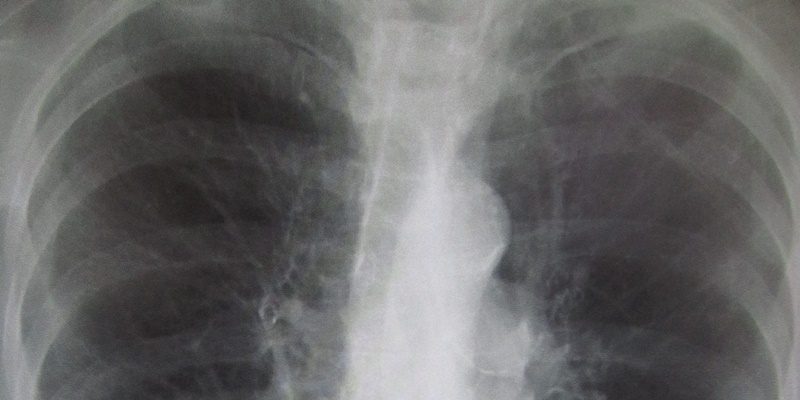
Image: PD

©2025 2 Minute Medicine, Inc. All rights reserved. No works may be reproduced without expressed written consent from 2 Minute Medicine, Inc. Inquire about licensing here. No article should be construed as medical advice and is not intended as such by the authors or by 2 Minute Medicine, Inc.
Tags: chronic diseasecopdEosinophilic COPDinfectious diseaseMepolizumabpulmonology
Previous Post

Reduced-dose apixaban noninferior to full dose for cancer-associated thrombosis

Next Post

#VisualAbstract: Extended Caffeine Does Not Reduce Hospitalization Time for Apnea in Moderately Preterm Infants

RelatedReports

Novel coronavirus identified from patients with pneumonia in Wuhan, China
Emergency

Lower levels of education and place of birth were associated with non-admission to the intensive care unit in Sweden during COVID-19 pandemic

September 1, 2026
Novel coronavirus identified from patients with pneumonia in Wuhan, China
Chronic Disease

Hematologic inflammatory indices may predict prognosis in younger patients with COVID-19 but not older patients

August 4, 2026
Neoplastic tapeworm cells may invade human tissue in immunocompromised hosts
Infectious Disease

Praziquantel (Biltricide) is associated with higher cure rate than albendazole (Zentel) in the treatment of clonorchiasis

July 31, 2026
Transthoracic echocardiography can rule out endocarditis in low-risk bacteremic patients
Infectious Disease

Delayed initiation of antibiotic therapy is associated with worse outcomes in skin and soft tissue infections

May 22, 2026
Next Post
#VisualAbstract: Extended Caffeine Does Not Reduce Hospitalization Time for Apnea in Moderately Preterm Infants

#VisualAbstract: Extended Caffeine Does Not Reduce Hospitalization Time for Apnea in Moderately Preterm Infants

Quick Take: Effect of Pregabalin on Radiotherapy-Related Neuropathic Pain in Patients With Head and Neck Cancer: A Randomized Controlled Trial

Drugmakers Increase Prices on Over 250 Medications

Multidrug induction therapy increases remission from lupus nephritis

Obinutuzumab plus standard therapy is efficacious in managing active lupus nephritis

EvidencePulse™ by 2 Minute Medicine 2026 evidence scan 3 reports You asked top stroke trials 2026 Synthesizing medical evidence... Top 2026 stroke trial results: OCEANIC — ischemic stroke: 6.2% vs 8.4% OPTION* — mRS 0–1: 43.6% vs 34.2% ORIENTAL* — mRS 0–2: 58.6% vs 46.6% *Higher sICH in intervention arms Participants randomizedN OCEANIC 12,327 OPTION 570 ORIENTAL 564 Ask about guidelines or landmark trials... ↑ Try EvidencePulse™ Ask the evidence.
Get the signal.
Try it now → Physician-trained medical AI by 2 Minute Medicine

2MM+ All Access

Full details →
$4.99 /month

5-day free trial · cancel anytime

  • ✓100+ physician-written reports
  • ✓EvidencePulse™ + HypeCheck™
  • ✓Ad-free reading + newsletters
Start 5-day free trial

Then $4.99/month. Manage renewal in your account.

2 Minute Medicine® is an award winning, physician-run, expert medical media company. Our content is curated, written and edited by practicing health professionals who have clinical and scientific expertise in their field of reporting. Our editorial management team is comprised of highly-trained MD physicians. Join numerous brands, companies, and hospitals who trust our licensed content.

Recent Reports

  • Artificial intelligence (AI)-based coronary calcium quantification successfully identified patients who could benefit from lipid-lowering therapy
  • First messenger RNA influenza vaccine outperforms standard-dose vaccination
  • Few interventions improve posthospitalization follow-up for alcohol use disorder
License Content
Terms of Use | Disclaimer
Cookie Policy
Cleantalk Pixel
2MM+ All Access Full details →

The medical literature, distilled daily.

Monthly plan selected: $4.99 /month.

$4.99/month

5-day free trial · cancel anytime

Start 5-day free trial

Then $4.99/month. Manage renewal in your account.

Yearly plan selected: $49.90 /year.

$49.90/year

2 months free · only $4.16/month

Start 5-day free trial

Then $49.90/year. Manage renewal in your account.

Membership benefits

  • ✓100+ physician-written reports
  • ✓AI EvidencePulse™ + HypeCheck™
  • ✓Ad-free reading + newsletters

Already a member? Sign in

  • About
  • Specialties
    • All Specialties, All Recent Reports
    • Cardiology
    • Chronic Disease
    • Dermatology
    • Emergency
    • Endocrinology
    • Gastroenterology
    • Imaging and Intervention
    • Infectious Disease
    • Nephrology
    • Neurology
    • Obstetrics
    • Oncology
    • Ophthalmology
    • Pediatrics
    • Pharma
    • Preclinical
    • Psychiatry
    • Public Health
    • Pulmonology
    • Rheumatology
    • Surgery
  • Tools
    • EvidencePulse™
    • HypeCheck™
    • NPI Registry Lookup
    • RVU Search
  • Pharma
  • AI Roundup
  • The Scan
  • Classics™
    • 2MM+ Online Access
    • Paperback and Ebook
  • Rewinds
  • Partners
    • License Content
    • Submit Press Release
    • Advertise with Us
  • Account
    • Subscribe
    • My account
    • Cart
    • Sign-in
No Result
View All Result

© 2026 2 Minute Medicine, Inc. - Physician-written medical news.