• About
  • Masthead
  • License Content
  • Advertise
  • Submit Press Release
  • RSS/Email List
  • 2MM Podcast
  • Write for us
  • Contact Us
2 Minute Medicine
No Result
View All Result

No products in the cart.

SUBSCRIBE
  • About
  • Specialties
    • All Specialties, All Recent Reports
    • Cardiology
    • Chronic Disease
    • Dermatology
    • Emergency
    • Endocrinology
    • Gastroenterology
    • Imaging and Intervention
    • Infectious Disease
    • Nephrology
    • Neurology
    • Obstetrics
    • Oncology
    • Ophthalmology
    • Pediatrics
    • Pharma
    • Preclinical
    • Psychiatry
    • Public Health
    • Pulmonology
    • Rheumatology
    • Surgery
  • Tools+
    • EvidencePulse™
    • HypeCheck™
    • NPI Registry Lookup
    • RVU Search
  • Pharma
  • AI Roundup
  • The Scan+
  • Classics™+
    • 2MM+ Online Access
    • Paperback and Ebook
  • Rewinds
  • Partners
    • License Content
    • Submit Press Release
    • Advertise with Us
  • Account
    • Subscribe
    • My account
    • Cart
    • Sign-in
2 Minute Medicine
  • About
  • Specialties
    • All Specialties, All Recent Reports
    • Cardiology
    • Chronic Disease
    • Dermatology
    • Emergency
    • Endocrinology
    • Gastroenterology
    • Imaging and Intervention
    • Infectious Disease
    • Nephrology
    • Neurology
    • Obstetrics
    • Oncology
    • Ophthalmology
    • Pediatrics
    • Pharma
    • Preclinical
    • Psychiatry
    • Public Health
    • Pulmonology
    • Rheumatology
    • Surgery
  • Tools+
    • EvidencePulse™
    • HypeCheck™
    • NPI Registry Lookup
    • RVU Search
  • Pharma
  • AI Roundup
  • The Scan+
  • Classics™+
    • 2MM+ Online Access
    • Paperback and Ebook
  • Rewinds
  • Partners
    • License Content
    • Submit Press Release
    • Advertise with Us
  • Account
    • Subscribe
    • My account
    • Cart
    • Sign-in
SUBSCRIBE
2 Minute Medicine
Subscribe
EvidencePulse™ by 2 Minute Medicine 2026 evidence scan 3 reports You asked top stroke trials 2026 Synthesizing medical evidence... Top 2026 stroke trial results: OCEANIC — ischemic stroke: 6.2% vs 8.4% OPTION* — mRS 0–1: 43.6% vs 34.2% ORIENTAL* — mRS 0–2: 58.6% vs 46.6% *Higher sICH in intervention arms Participants randomizedN OCEANIC 12,327 OPTION 570 ORIENTAL 564 Ask about guidelines or landmark trials... ↑ Try EvidencePulse™ Ask the evidence.
Get the signal.
Try it now → Physician-trained medical AI by 2 Minute Medicine
Home All Specialties Cardiology

Weekly basal insulin efsitora effective for managing type 2 diabetes
byNhat Hung (Benjamin) LamandKiera Liblik
August 27, 2025
in Cardiology, Chronic Disease, Endocrinology
Reading Time: 3 mins read
Dual VA and Medicare coverage linked to glucose strip overuse
Share on FacebookShare on Twitter

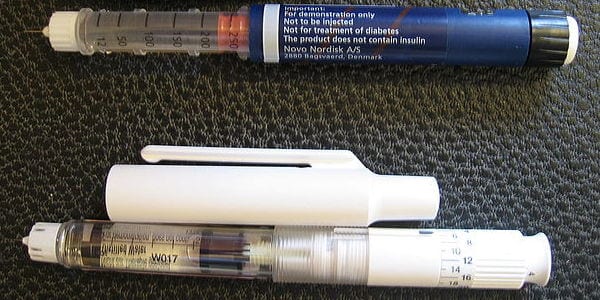
1. In patients with type 2 diabetes mellitus (T2DM) who had not previously been on insulin therapy, once-weekly fixed-dose insulin efsitora was noninferior to daily insulin glargine in reducing glycated hemoglobin (HbA1c) levels by 52 weeks.

2. Insulin efsitora was associated with less clinically significant hypoglycemia and lower total weekly insulin dose, compared to insulin glargine.

Evidence Rating Level: 1 (Excellent)

Study Rundown: T2DM is an increasingly prevalent metabolic disorder worldwide. Adequate glycemic control is paramount in reducing the risk of T2DM-associated complications, including cardiovascular adverse events and mortality. Insulin therapy, including basal insulin, is recommended for patients in whom non-insulin treatment has been inadequate. Basal dose-adjusted insulin carries a high daily injection burden and potential delayed therapy intensification. Insulin efsitora is a novel fixed-dose basal insulin with once-weekly administration. This trial assessed insulin efsitora against daily insulin glargine among T2DM patients who had not been on prior insulin therapy. Insulin efsitora dose was adjusted every four weeks according to fasting blood glucose targets. By 52 weeks, insulin efsitora was noninferior to insulin glargine in reducing the mean HbA1c levels, without demonstrated superiority. However, clinically significant or severe hypoglycemia occurred less frequently with insulin efsitora, and the mean total weekly insulin dose was also lower. The study was limited by its intrinsic open-label design and lack of continuous glucose monitoring. Nevertheless, these results demonstrated the noninferiority of once weekly efsitora insulin compared to daily glargine in reducing HbA1c levels in patients with T2DM.

Click here to read the study in NEJM

In-Depth [randomized controlled trial]: This was a treat-to-target, randomized controlled trial investigating once-weekly fixed-dose insulin efsitora in patients with T2DM without previous insulin therapy. Patients aged 18 or older with T2DM, who had not previously received insulin therapy, had a HbA1c level 7.0-10.0% and a body-mass index ≤45.0, and had been on stable non-insulin glucose-lowering therapies for at least three months, were eligible for inclusion. Key exclusion criteria included hemoglobinopathies affecting HbA1c measurements, diabetes cases other than T2DM, severe heart failure, history of recent severe hypoglycemia, ketoacidosis or hyperosmolar state requiring hospitalization, and significant weight changes in the preceding 3 months. A total of 795 patients were randomized 1:1 to receive either subcutaneous once-weekly insulin efsitora (efsitora group) or once-daily insulin glargine U100 (glargine group). The primary outcome was change from baseline in HbA1c at 52 weeks, tested for noninferiority. By week 52, the least-squares mean change of mean HbA1c from baseline was -1.19 percentage points (pp) for the efsitora group and -1.16pp for the glargine group (estimate between-group difference [EBGD] -0.03pp, 95% confidence interval [CI] -0.18 to 0.12), demonstrating noninferiority of efsitora to glargine. Superiority criterion, however, was not satisfied (p=0.68). Efsitora was associated with a lower combined risk of clinically significant or severe hypoglycemia (0.50 events per participant-year of exposure) compared to glargine (0.88 events per participant-year of exposure) (estimated rate ratio 0.57, 95% CI 0.39-0.84). The efsitora group also received an overall lower insulin dose at week 52 (289.1U/week versus 332.8U/week in the glargine group) (EBGD -43.7U/week, 95% CI -62.4 to -25.0). Overall, 59.9% of patients in the efsitora group and 65.1% in the glargine group reported an adverse event. These results showed that among insulin-naïve patients with T2DM, basal weekly fixed-dose insulin efsitora was noninferior to daily insulin glargine in reducing HbA1c levels by 52 weeks of therapy.

RELATED REPORTS

Chronic exposure to particulate matter is associated with increased cardiovascular risk

Deep-learning model achieved high diagnostic performance for diabetic macular edema detection using optical coherence tomography (OCT) scans

Cataract surgery is associated with increased incidence of diabetic retinopathy among patients with diabetes

Image: PD

©2025 2 Minute Medicine, Inc. All rights reserved. No works may be reproduced without expressed written consent from 2 Minute Medicine, Inc. Inquire about licensing here. No article should be construed as medical advice and is not intended as such by the authors or by 2 Minute Medicine, Inc.

Tags: cardiologychronic diseasediabetesefsitoraendocrinologyinsulintype 2 diabetes
Previous Post

Higher tetrahydrocannabinol exposure may be associated with unfavorable mental health outcomes

Next Post

EAST-AFNET 4 Trial: Early Rhythm Control vs Usual Care in Atrial Fibrillation (East AF) [Classics Series]

RelatedReports

Cardiology

Chronic exposure to particulate matter is associated with increased cardiovascular risk

September 10, 2026
Endocrinology

Deep-learning model achieved high diagnostic performance for diabetic macular edema detection using optical coherence tomography (OCT) scans

September 10, 2026
Adalimumab aids in control of noninfectious uveitis
Chronic Disease

Cataract surgery is associated with increased incidence of diabetic retinopathy among patients with diabetes

September 8, 2026
Chronic Disease

Higher coffee intake is associated with lower visceral fat despite similar body mass index

September 8, 2026
Next Post
ABCD2 Score: Predicting Early Stroke Risk After Transient Ischemic Attack (TIA) [Classics Series]

EAST-AFNET 4 Trial: Early Rhythm Control vs Usual Care in Atrial Fibrillation (East AF) [Classics Series]

#VisualAbstract: Once-weekly Semaglutide Reduces Body Weight in People with Obesity

#VisualAbstract: Once-weekly Semaglutide Reduces Body Weight in People with Obesity

Parents desensitized with increasing exposure to movie violence/sex

Australian couple-based genetic screening program feasible and accepted

EvidencePulse™ by 2 Minute Medicine 2026 evidence scan 3 reports You asked top stroke trials 2026 Synthesizing medical evidence... Top 2026 stroke trial results: OCEANIC — ischemic stroke: 6.2% vs 8.4% OPTION* — mRS 0–1: 43.6% vs 34.2% ORIENTAL* — mRS 0–2: 58.6% vs 46.6% *Higher sICH in intervention arms Participants randomizedN OCEANIC 12,327 OPTION 570 ORIENTAL 564 Ask about guidelines or landmark trials... ↑ Try EvidencePulse™ Get the signal. Try it now → Physician-trained medical AI by 2 Minute Medicine

2MM+ All Access

Full details →
$4.99 /month

3-day free trial · cancel anytime

  • ✓100+ physician-written reports
  • ✓EvidencePulse™ + HypeCheck™
  • ✓Ad-free reading + newsletters
Start 3-day free trial

Then $4.99/month. Manage renewal in your account.

2 Minute Medicine® is an award winning, physician-run, expert medical media company. Our content is curated, written and edited by practicing health professionals who have clinical and scientific expertise in their field of reporting. Our editorial management team is comprised of highly-trained MD physicians. Join numerous brands, companies, and hospitals who trust our licensed content.

Recent Reports

  • Nirsevimab (Beyfortus) may reduce severe respiratory syncytial virus infections among infants
  • An artificial intelligence (AI) tool achieved high diagnostic accuracy for the identification and prediction of sepsis
  • Use of long-acting broadly neutralizing antibodies may delay human immunodeficiency virus (HIV) rebound following discontinuation of antiretroviral therapy
License Content
Terms of Use | Disclaimer
Cookie Policy
Cleantalk Pixel
2MM+ All Access Full details →

The medical literature, distilled daily.

Monthly plan selected: $4.99 /month.

$4.99/month

3-day free trial · cancel anytime

Start 3-day free trial

Then $4.99/month. Manage renewal in your account.

Yearly plan selected: $49.90 /year.

$49.90/year

2 months free

Start 3-day free trial

Then $49.90/year.

Membership benefits

  • ✓100+ physician-written reports
  • ✓AI EvidencePulse™ + HypeCheck™
  • ✓Ad-free reading + newsletters

Already a member? Sign in

  • About
  • Specialties
    • All Specialties, All Recent Reports
    • Cardiology
    • Chronic Disease
    • Dermatology
    • Emergency
    • Endocrinology
    • Gastroenterology
    • Imaging and Intervention
    • Infectious Disease
    • Nephrology
    • Neurology
    • Obstetrics
    • Oncology
    • Ophthalmology
    • Pediatrics
    • Pharma
    • Preclinical
    • Psychiatry
    • Public Health
    • Pulmonology
    • Rheumatology
    • Surgery
  • Tools
    • EvidencePulse™
    • HypeCheck™
    • NPI Registry Lookup
    • RVU Search
  • Pharma
  • AI Roundup
  • The Scan
  • Classics™
    • 2MM+ Online Access
    • Paperback and Ebook
  • Rewinds
  • Partners
    • License Content
    • Submit Press Release
    • Advertise with Us
  • Account
    • Subscribe
    • My account
    • Cart
    • Sign-in
No Result
View All Result

© 2026 2 Minute Medicine, Inc. - Physician-written medical news.