• About
  • Masthead
  • License Content
  • Advertise
  • Submit Press Release
  • RSS/Email List
  • 2MM Podcast
  • Write for us
  • Contact Us
2 Minute Medicine
No Result
View All Result

No products in the cart.

SUBSCRIBE
  • Specialties
    • All Specialties, All Recent Reports
    • Cardiology
    • Chronic Disease
    • Dermatology
    • Emergency
    • Endocrinology
    • Gastroenterology
    • Imaging and Intervention
    • Infectious Disease
    • Nephrology
    • Neurology
    • Obstetrics
    • Oncology
    • Ophthalmology
    • Pediatrics
    • Pharma
    • Preclinical
    • Psychiatry
    • Public Health
    • Pulmonology
    • Rheumatology
    • Surgery
  • AI EvidencePulse™
  • Pharma
  • AI News
  • The Scan+
  • Classics™+
    • 2MM+ Online Access
    • Paperback and Ebook
  • Rewinds
  • Podcasts
  • Partners
    • License Content
    • Submit Press Release
    • Advertise with Us
  • Account
    • Subscribe
    • Sign-in
    • My account
2 Minute Medicine
  • Specialties
    • All Specialties, All Recent Reports
    • Cardiology
    • Chronic Disease
    • Dermatology
    • Emergency
    • Endocrinology
    • Gastroenterology
    • Imaging and Intervention
    • Infectious Disease
    • Nephrology
    • Neurology
    • Obstetrics
    • Oncology
    • Ophthalmology
    • Pediatrics
    • Pharma
    • Preclinical
    • Psychiatry
    • Public Health
    • Pulmonology
    • Rheumatology
    • Surgery
  • AI EvidencePulse™
  • Pharma
  • AI News
  • The Scan+
  • Classics™+
    • 2MM+ Online Access
    • Paperback and Ebook
  • Rewinds
  • Podcasts
  • Partners
    • License Content
    • Submit Press Release
    • Advertise with Us
  • Account
    • Subscribe
    • Sign-in
    • My account
SUBSCRIBE
2 Minute Medicine
Subscribe
Home All Specialties Emergency

Adenovirus infection associated with hepatitis of unknown cause in children

byNhat Hung (Benjamin) LamandKiera Liblik
August 25, 2022
in Emergency, Gastroenterology, Pediatrics
Reading Time: 2 mins read
0
Share on FacebookShare on Twitter

1. Adenovirus was found to be associated with the emerging hepatitis of unknown cause in children in the United Kingdom (UK).

2. Despite a small number of fulminant liver failure requiring transplant, there were no deaths in the study, and patients were discharged home following treatment.

Evidence Rating Level: 2 (Good)

Study Rundown: Acute hepatitis if an unknown cause has been emerging in hundreds of children worldwide, with the highest numbers in the UK and other parts of Europe. These children presented with acute hepatitis and negative tests for infective, toxic, congenital, or other identifiable causes. A small number of cases progressed to liver failure necessitating transplantation. Molecular testing has revealed a correlation between this hepatitis and human adenovirus, although their specific relationship is still under investigation. The current observational cohort study examined these hepatitis cases at a pediatric liver-transplantation center in the UK. Children presented with jaundice, vomiting, and diarrhea. Human adenovirus was identified in the majority of the patients who underwent testing. Six children developed liver failure requiring transplantation. There were no deaths and all patients were subsequently discharged home. As new cases continue to emerge, this study served as a starting point to identify acute hepatitis of unknown cause in children and provides early evidence of its association with adenovirus.

Click here to read the study in NEJM

In-Depth [retrospective cohort]: This retrospective cohort study involved children referred to one pediatric liver-transplantation center in the UK due to acute hepatitis of unknown cause, between January 1 and April 11, 2022. Patients were screened if they were 16 years of age or younger and had a presentation consistent with the definition of acute hepatitis not due to hepatitis A-E, metabolic, inherited or genetic, congenital or mechanical causes, with serum aminotransferase level >500 IU/L. All children included in this study were 10 years of age or younger. Clinical outcomes were categorized into improvement, liver transplantation, and death. Overall, 44 children were included in this study, all but three were previously healthy. The median age was 4 (range, 1 to 7). The most common presentations prompting medical attention were jaundice (93%), vomiting (54%), diarrhea (32%), abdominal pain (27%), and lethargy (23%). None of the children had been vaccinated against SARS-CoV-2. 11 of the 39 children (28%) who underwent PCR testing tested positive for SARS-CoV-2, while 5 of the 13 children (38%) who underwent SARS-CoV-2 antibody testing tested positive. Most notably, 30 children underwent adenovirus testing, 27 (90%) of whom tested positive. The median adenovirus viral load was also significantly higher in children who needed liver transplantation compared to those who did not. A total of 38 children spontaneously improved while six developed acute liver failure and underwent transplantation. All children were subsequently discharged home. Despite the small cohort size precluding statistical analyses, the study provided early evidence of the association between adenovirus and acute hepatitis of unknown cause in children.

RELATED REPORTS

Combined Gastric Electrical Stimulation and Pyloroplasty in Gastroparesis

Safety and Efficacy of Ozanimod in Patients With Moderately to Severely Active Ulcerative Colitis Stratified by Age

Selective serotonin reuptake inhibitors do not affect cognitive function through breastmilk

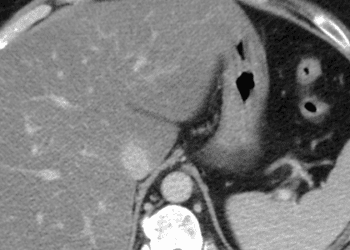
Image: PD

©2022 2 Minute Medicine, Inc. All rights reserved. No works may be reproduced without expressed written consent from 2 Minute Medicine, Inc. Inquire about licensing here. No article should be construed as medical advice and is not intended as such by the authors or by 2 Minute Medicine, Inc.


Tags: adenovirusemergencyGastroenterologyhepatitishepatitis of unknown causehepatologyliver failurepediatricpediatrics
Previous Post

Wellness Check: Spirituality

Next Post

Lower glycemic criteria for gestational diabetes did not affect risk of a large-for-gestational-age infant

RelatedReports

Chronic Disease

Combined Gastric Electrical Stimulation and Pyloroplasty in Gastroparesis

December 15, 2025
Elective colectomy associated with improved survival in ulcerative colitis
Chronic Disease

Safety and Efficacy of Ozanimod in Patients With Moderately to Severely Active Ulcerative Colitis Stratified by Age

November 28, 2025
Adolescent mothers in protective care more likely to have their children placed in care
Neurology

Selective serotonin reuptake inhibitors do not affect cognitive function through breastmilk

November 24, 2025
Elective colectomy associated with improved survival in ulcerative colitis
Weekly Rewinds

2 Minute Medicine Rewind November 24, 2025

November 24, 2025
Next Post
Impaired brain growth in preterm infants linked with delayed cognitive development

Lower glycemic criteria for gestational diabetes did not affect risk of a large-for-gestational-age infant

No obesity paradox found between BMI, stroke, and death

Remote ischemic conditioning associated with better neurologic function in patients with acute moderate ischemic stroke – the RICAMIS trial

Patients with low back pain or pain at multiple sites at highest risk for chronic opioid use

Reinfection with hepatitis C virus is highest immediately after treatment in patients on opioid agonist therapy

2 Minute Medicine® is an award winning, physician-run, expert medical media company. Our content is curated, written and edited by practicing health professionals who have clinical and scientific expertise in their field of reporting. Our editorial management team is comprised of highly-trained MD physicians. Join numerous brands, companies, and hospitals who trust our licensed content.

Recent Reports

  • Impact of combined hormonal contraceptives and metformin on metabolic syndrome in women with hyperandrogenic polycystic ovary syndrome and obesity: The COMET-PCOS randomized clinical trial
  • One dose of human papillomavirus vaccine noninferior to two for preventing persistent infection
  • Combined Gastric Electrical Stimulation and Pyloroplasty in Gastroparesis
License Content
Terms of Use | Disclaimer
Cookie Policy
Privacy Statement (EU)
Disclaimer

© 2025 2 Minute Medicine, Inc. - Physician-written medical news.

  • Specialties
    • All Specialties, All Recent Reports
    • Cardiology
    • Chronic Disease
    • Dermatology
    • Emergency
    • Endocrinology
    • Gastroenterology
    • Imaging and Intervention
    • Infectious Disease
    • Nephrology
    • Neurology
    • Obstetrics
    • Oncology
    • Ophthalmology
    • Pediatrics
    • Pharma
    • Preclinical
    • Psychiatry
    • Public Health
    • Pulmonology
    • Rheumatology
    • Surgery
  • AI EvidencePulse™
  • Pharma
  • AI News
  • The Scan
  • Classics™
    • 2MM+ Online Access
    • Paperback and Ebook
  • Rewinds
  • Podcasts
  • Partners
    • License Content
    • Submit Press Release
    • Advertise with Us
  • Account
    • Subscribe
    • Sign-in
    • My account
No Result
View All Result

© 2025 2 Minute Medicine, Inc. - Physician-written medical news.