

• About
  • Masthead
  • License Content
  • Advertise
  • Submit Press Release
  • RSS/Email List
  • 2MM Podcast
  • Write for us
  • Contact Us
2 Minute Medicine
No Result
View All Result

No products in the cart.

Sign in
SUBSCRIBE
  • About
  • Specialties
    • All Specialties, All Recent Reports
    • Cardiology
    • Chronic Disease
    • Dermatology
    • Emergency
    • Endocrinology
    • Gastroenterology
    • Imaging and Intervention
    • Infectious Disease
    • Nephrology
    • Neurology
    • Obstetrics
    • Oncology
    • Ophthalmology
    • Pediatrics
    • Pharma
    • Preclinical
    • Psychiatry
    • Public Health
    • Pulmonology
    • Rheumatology
    • Surgery
  • Tools+
    • EvidencePulse™
    • HypeCheck™
    • NPI Registry Lookup
    • RVU Search
  • Pharma
  • AI Roundup
  • The Scan+
  • Classics™+
    • 2MM+ Online Access
    • Paperback and Ebook
  • Rewinds
  • Partners
    • License Content
    • Advertise with Us
2 Minute Medicine
  • About
  • Specialties
    • All Specialties, All Recent Reports
    • Cardiology
    • Chronic Disease
    • Dermatology
    • Emergency
    • Endocrinology
    • Gastroenterology
    • Imaging and Intervention
    • Infectious Disease
    • Nephrology
    • Neurology
    • Obstetrics
    • Oncology
    • Ophthalmology
    • Pediatrics
    • Pharma
    • Preclinical
    • Psychiatry
    • Public Health
    • Pulmonology
    • Rheumatology
    • Surgery
  • Tools+
    • EvidencePulse™
    • HypeCheck™
    • NPI Registry Lookup
    • RVU Search
  • Pharma
  • AI Roundup
  • The Scan+
  • Classics™+
    • 2MM+ Online Access
    • Paperback and Ebook
  • Rewinds
  • Partners
    • License Content
    • Advertise with Us
Sign in
SUBSCRIBE
2 Minute Medicine
Sign in
Subscribe
EvidencePulse™ by 2 Minute Medicine 2026 evidence scan 3 reports You asked top stroke trials 2026 Synthesizing medical evidence... Top 2026 stroke trial results: OCEANIC — ischemic stroke: 6.2% vs 8.4% OPTION* — mRS 0–1: 43.6% vs 34.2% ORIENTAL* — mRS 0–2: 58.6% vs 46.6% *Higher sICH in intervention arms Participants randomizedN OCEANIC 12,327 OPTION 570 ORIENTAL 564 Ask about guidelines or landmark trials... ↑ Try EvidencePulse™ Ask the evidence.
Get the signal.
Try it now → Physician-trained medical AI by 2 Minute Medicine
Home All Specialties Psychiatry

Antidepressant use associated with increased risk of subsequent mania
byDeepti ShroffandDavid Wang
December 25, 2015
in Psychiatry
Reading Time: 2 mins read
Antidepressant use associated with increased risk of subsequent mania
Share on FacebookShare on Twitter

1. In a retrospective cohort study of over 21 000 patients with depression, antidepressant use was significantly associated with an increased incidence of manic episode/bipolar disorder.

2. The strongest association was found in those patients who had previously taken selective serotonin reuptake inhibitors (SSRIs) or venlafaxine.

Evidence Rating Level: 3 (Average)

Study Rundown: Manic and hypomanic episodes are well-documented adverse effects of antidepressant therapy. However, whether antidepressants cause mania or trigger the expression of bipolar disorder is unknown. Furthermore, there have been limited population-based studies on the incidence of mania/bipolar disorder in patients using antidepressant therapy. The purpose of this large retrospective cohort trial was to quantify the magnitude of this association.

The study reviewed over 21 000 electronic health records of patients with a diagnosis of unipolar depression. At the conclusion of the trial, patients who had received antidepressant therapy demonstrated a significantly higher risk of developing subsequent mania/bipolar disorder compared to patients not on antidepressant therapy. Furthermore, multi-variable analysis demonstrated that the increased risk of mania/bipolar disorder was greatest in patients taking SSRIs and venlafaxine. The results of this study highlight the importance of clinically evaluating for risk factors of mania prior to starting patients on antidepressant therapy. The study is strengthened by the large sample size, which increases the generalizability of the results. However, since this was an observational study, a causal link between antidepressant treatments and development of mania or bipolar disorder cannot be drawn from these results.

Click to read the study in BMJ Open

RELATED REPORTS

Artificial intelligence (AI) chatbot reduced depression, anxiety, and eating disorder risk symptoms

Selective serotonin reuptake inhibitors may reduce risk of total joint arthroplasty in osteoarthritis

Use of selective serotonin reuptake inhibitors guided by pharmacogenetic testing may improve treatment response in depression

Relevant Reading: The use of antidepressants in bipolar disorder

In-Depth [retrospective cohort]: This study analyzed the electronic health records of all adults receiving healthcare from the South London and Maudsley National Health Service (NHS) Foundation trust (SLaM) from 2006 to 2013. Overall, 21 012 patients with a diagnosis of unipolar depression were included in the study. The primary outcome was any diagnosed manic episode or bipolar depression during the follow-up period. At the conclusion of the study, the incidence rate of mania/bipolar disorder overall in this cohort was 10 per 1000 person-years. In patients with previous history of antidepressant use, the incidence of mania/bipolar disorder was found to be significantly higher (13 to 19 per 1000 person-years). Subgroup analysis demonstrated the highest incidence of mania/bipolar disorder in the 26 to 35 year age group. In multivariate analysis, patients with previous exposure to SSRI (HR 1.34, 95% CI 1.18 to 1.52) and venlafaxine (HR 1.35, CI 1.07 to 1.70) demonstrated the strongest association with a subsequent diagnosis of mania/bipolar disorder.

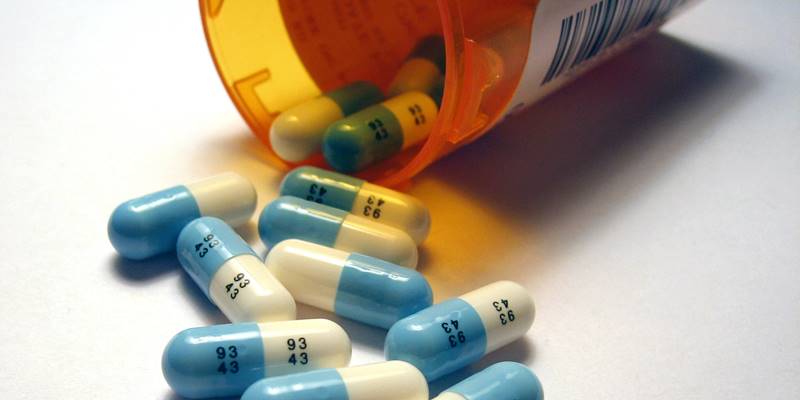
Image: CC/Wiki/Tom Varco

©2015 2 Minute Medicine, Inc. All rights reserved. No works may be reproduced without expressed written consent from 2 Minute Medicine, Inc. Inquire about licensing here. No article should be construed as medical advice and is not intended as such by the authors or by 2 Minute Medicine, Inc.

Tags: antidepressantsdepressionmania
Previous Post

Azithromycin less effective compared to doxycycline for chlamydial infections

Next Post

Hodgkin’s Lymphoma survivors at risk for secondary malignancy 40 years post treatment

RelatedReports

Artificial Intelligence

Artificial intelligence (AI) chatbot reduced depression, anxiety, and eating disorder risk symptoms

September 11, 2026
Physical therapy reduces pain in adults with knee osteoarthritis
Chronic Disease

Selective serotonin reuptake inhibitors may reduce risk of total joint arthroplasty in osteoarthritis

May 21, 2026
Children’s hospital visits for suicide ideation and attempts are increasing
Chronic Disease

Use of selective serotonin reuptake inhibitors guided by pharmacogenetic testing may improve treatment response in depression

May 13, 2026
Parents often unaware of adolescents’ suicidal thoughts
Psychiatry

Psychotherapy identified as most effective treatment for grief

February 2, 2026
Next Post

Hodgkin’s Lymphoma survivors at risk for secondary malignancy 40 years post treatment

Tramadol and Celecoxib effective pain control for hysteroscopy

2 Minute Medicine Rewind December 28, 2015

Childhood asthma rates decreasing, except among the poor

Childhood asthma rates decreasing, except among the poor

EvidencePulse™ by 2 Minute Medicine 2026 evidence scan 3 reports You asked top stroke trials 2026 Synthesizing medical evidence... Top 2026 stroke trial results: OCEANIC — ischemic stroke: 6.2% vs 8.4% OPTION* — mRS 0–1: 43.6% vs 34.2% ORIENTAL* — mRS 0–2: 58.6% vs 46.6% *Higher sICH in intervention arms Participants randomizedN OCEANIC 12,327 OPTION 570 ORIENTAL 564 Ask about guidelines or landmark trials... ↑ Try EvidencePulse™ Get the signal. Try it now → Physician-trained medical AI by 2 Minute Medicine

2MM+ All Access

Full details →
$4.99 /month

3-day free trial · cancel anytime

  • ✓100+ physician-written reports
  • ✓EvidencePulse™ + HypeCheck™
  • ✓Ad-free reading + newsletters
Start 3-day free trial

Then $4.99/month. Manage renewal in your account.

2 Minute Medicine® is an award winning, physician-run, expert medical media company. Our content is curated, written and edited by practicing health professionals who have clinical and scientific expertise in their field of reporting. Our editorial management team is comprised of highly-trained MD physicians. Join numerous brands, companies, and hospitals who trust our licensed content.

Recent Reports

  • 2 Minute Medicine Rewind October 12, 2026
  • Gepotidacin (Blujepa) is safe and effective in women with uncomplicated urinary tract infections
  • Most routine blood tests do not require prolonged fasting
License Content
Terms of Use | Disclaimer
Cookie Policy
Cleantalk Pixel
2MM+ All Access Full details →

The medical literature, distilled daily.

Monthly plan selected: $4.99 /month.

$4.99/month

3-day free trial · cancel anytime

Start 3-day free trial

Then $4.99/month. Manage renewal in your account.

Yearly plan selected: $49.90 /year.

$49.90/year

2 months free

Start 3-day free trial

Then $49.90/year.

Membership benefits

  • ✓100+ physician-written reports
  • ✓AI EvidencePulse™ + HypeCheck™
  • ✓Ad-free reading + newsletters

Already a member? Sign in

  • About
  • Specialties
    • All Specialties, All Recent Reports
    • Cardiology
    • Chronic Disease
    • Dermatology
    • Emergency
    • Endocrinology
    • Gastroenterology
    • Imaging and Intervention
    • Infectious Disease
    • Nephrology
    • Neurology
    • Obstetrics
    • Oncology
    • Ophthalmology
    • Pediatrics
    • Pharma
    • Preclinical
    • Psychiatry
    • Public Health
    • Pulmonology
    • Rheumatology
    • Surgery
  • Tools
    • EvidencePulse™
    • HypeCheck™
    • NPI Registry Lookup
    • RVU Search
  • Pharma
  • AI Roundup
  • The Scan
  • Classics™
    • 2MM+ Online Access
    • Paperback and Ebook
  • Rewinds
  • Partners
    • License Content
    • Advertise with Us
No Result
View All Result

© 2026 2 Minute Medicine, Inc. - Physician-written medical news.