• About
  • Masthead
  • License Content
  • Advertise
  • Submit Press Release
  • RSS/Email List
  • 2MM Podcast
  • Write for us
  • Contact Us
2 Minute Medicine
No Result
View All Result

No products in the cart.

SUBSCRIBE
  • Specialties
    • All Specialties, All Recent Reports
    • Cardiology
    • Chronic Disease
    • Dermatology
    • Emergency
    • Endocrinology
    • Gastroenterology
    • Imaging and Intervention
    • Infectious Disease
    • Nephrology
    • Neurology
    • Obstetrics
    • Oncology
    • Ophthalmology
    • Pediatrics
    • Pharma
    • Preclinical
    • Psychiatry
    • Public Health
    • Pulmonology
    • Rheumatology
    • Surgery
  • Tools
    • EvidencePulse™
    • RVU Search
    • NPI Registry Lookup
  • Pharma
  • AI News
  • The Scan+
  • Classics™+
    • 2MM+ Online Access
    • Paperback and Ebook
  • Rewinds
  • Partners
    • License Content
    • Submit Press Release
    • Advertise with Us
  • Account
    • Subscribe
    • Sign-in
    • My account
2 Minute Medicine
  • Specialties
    • All Specialties, All Recent Reports
    • Cardiology
    • Chronic Disease
    • Dermatology
    • Emergency
    • Endocrinology
    • Gastroenterology
    • Imaging and Intervention
    • Infectious Disease
    • Nephrology
    • Neurology
    • Obstetrics
    • Oncology
    • Ophthalmology
    • Pediatrics
    • Pharma
    • Preclinical
    • Psychiatry
    • Public Health
    • Pulmonology
    • Rheumatology
    • Surgery
  • Tools
    • EvidencePulse™
    • RVU Search
    • NPI Registry Lookup
  • Pharma
  • AI News
  • The Scan+
  • Classics™+
    • 2MM+ Online Access
    • Paperback and Ebook
  • Rewinds
  • Partners
    • License Content
    • Submit Press Release
    • Advertise with Us
  • Account
    • Subscribe
    • Sign-in
    • My account
SUBSCRIBE
2 Minute Medicine
Subscribe
Home All Specialties Cardiology

Automated insulin delivery improves glycemic control over continuous glucose monitoring
byNhat Hung (Benjamin) LamandKiera Liblik
April 8, 2025
in Cardiology, Chronic Disease, Endocrinology
Reading Time: 3 mins read
0
Share on FacebookShare on Twitter

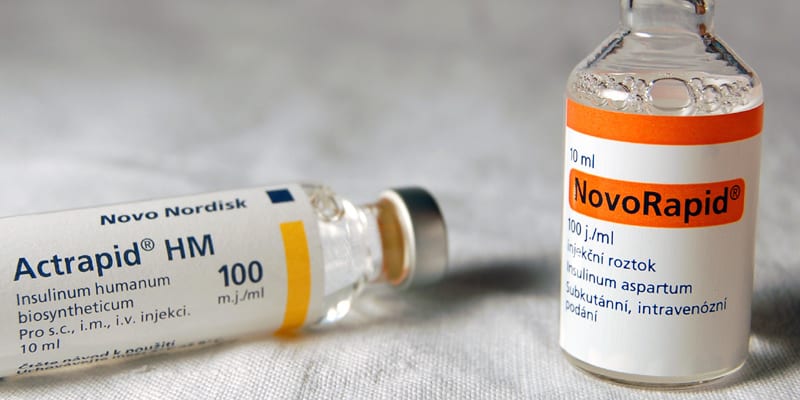
1. Among patients with type-2 diabetes (T2D) requiring insulin therapy, automated insulin delivery (AID) resulted in a greater reduction in glycated hemoglobin (HbA1c) compared to continuous glucose monitoring (CGM) alone.

2. The incidence of hypoglycemia was low in both the AID and CGM-alone groups.

Evidence Rating Level: 1 (Excellent)

Study Rundown: AID systems have been shown to improve glucose control in type 1 diabetes, but their effectiveness in insulin-treated T2D remains uncertain. Existing studies on T2D are limited by small sample sizes or lack of randomization. Despite effective non-insulin medications, including glucagon-like peptide-1 receptor agonists (GLP-1RA) and sodium-glucose cotransporter 2 inhibitors (SGLT2i), many patients with T2D still require insulin therapy and could benefit from an AID. This study investigated the use of an AID system in addition to CGM among patients with insulin-treated T2D. By 13 weeks, the AID group was associated with a greater reduction in the HbA1c level, compared to the CGM-only group, and greater time spent in the target glucose range. The incidence of hypoglycemia was comparable between the two groups, although one episode of serious hypoglycemia occurred in the AID group. The study’s short duration and inclusion of mostly CGM users may limit its generalizability. However, these findings suggest that AID significantly improves glucose control in insulin-treated type 2 diabetes, supporting its potential for broader clinical use.

Click here to read the study in NEJM

In-Depth [randomized controlled trial]: This was a randomized controlled trial investigating the efficacy and safety of an AID system among adults with T2D. Patients at least 18 years of age, who had had T2D at least six months, and were receiving multiple daily injections of insulin with at least one containing rapid-acting insulin per day or an insulin pump for at least three months were eligible for inclusion. Exclusion criteria included pregnancy or breastfeeding; use of corticosteroids, sulfonylureas, or hydroxyurea; hemoglobinopathy; or use of a hybrid closed-loop insulin delivery system. In total, 319 patients were randomized 2:1 to either the AID group or the control CGM group. The primary outcome was the HbA1c level at 13 weeks. By 13 weeks, the AID group’s HbA1c decreased from 8.2% at baseline to 7.3% (-0.9%), while the control group’s HbA1c decreased from 8.1% to 7.7% (-0.3%) (adjusted mean difference, -0.6%; 95% confidence interval [CI], -0.8 to -0.4; p<0.001). Time spent in target glucose range was greater in the AID group than the control group (mean difference [MD], 14 percentage points; 95% CI, 11-17; p<0.001), whereas time in hyperglycemia was reduced in the AID group (MD, -16 percentage points; p<0.001). Hypoglycemia rates were comparable between the groups; however, one episode of severe hypoglycemia occurred in the AID group of indeterminate cause. Most severe adverse outcomes were not related to the AID system. AID consistently improved glycemic control across subgroups, including those with higher baseline HbA1c and those using a GLP-1RA or SGLT2i. Higher overall weight gain was observed in the AID group (+2.4 kg compared to +0.9 kg). This first large-scale RCT of AID in type 2 diabetes demonstrated clinically meaningful improvements in HbA1c and glucose control without increasing hypoglycemia risk.

RELATED REPORTS

Invasive management for non-ST-segment elevation myocardial infarction in frail patients may not improve mortality

COVID-19 vaccination is associated with reduced risk of new-onset atrial fibrillation following COVID-19 infection

Polycythemia is not associated with increased mortality in heart failure

Image: PD

©2025 2 Minute Medicine, Inc. All rights reserved. No works may be reproduced without expressed written consent from 2 Minute Medicine, Inc. Inquire about licensing here. No article should be construed as medical advice and is not intended as such by the authors or by 2 Minute Medicine, Inc.

Tags: automated insulin deliverycardiologychronic diseaseendocrinologytype 2 diabetes
Previous Post

Inebilizumab reduces the risk of flares in IgG4-related disease

Next Post

#VisualAbstract: Doxycycline Post-Exposure Prophylaxis Effectively Prevents Bacterial Sexually Transmitted Infections

RelatedReports

PCI not superior to medical therapy alone in stable coronary disease: The COURAGE study
Cardiology

Invasive management for non-ST-segment elevation myocardial infarction in frail patients may not improve mortality

April 30, 2026
Novel coronavirus identified from patients with pneumonia in Wuhan, China
Cardiology

COVID-19 vaccination is associated with reduced risk of new-onset atrial fibrillation following COVID-19 infection

April 29, 2026
Remote patient monitoring did not reduce heart failure readmissions: The BEAT-HF trial
Cardiology

Polycythemia is not associated with increased mortality in heart failure

April 28, 2026
Implementation of pneumococcal vaccine programs linked to decreased antibiotic prescription
Chronic Disease

Prednisone may have bone and cardiovascular benefits compared to hydrocortisone therapy in adrenal insufficiency

April 3, 2026
Next Post
#VisualAbstract: Doxycycline Post-Exposure Prophylaxis Effectively Prevents Bacterial Sexually Transmitted Infections

#VisualAbstract: Doxycycline Post-Exposure Prophylaxis Effectively Prevents Bacterial Sexually Transmitted Infections

Prevalence of hypertension among adolescents varies by race and BMI

Intensive blood pressure control reduces major cardiovascular event risk in type 2 diabetes patients

Dupilumab linked to improved symptoms in refractory chronic sinusitis and nasal polyposis

Tezepelumab alleviates symptoms in severe chronic rhinosinusitis with nasal polyps

2 Minute Medicine® is an award winning, physician-run, expert medical media company. Our content is curated, written and edited by practicing health professionals who have clinical and scientific expertise in their field of reporting. Our editorial management team is comprised of highly-trained MD physicians. Join numerous brands, companies, and hospitals who trust our licensed content.

Recent Reports

  • Use of selective serotonin reuptake inhibitors guided by pharmacogenetic testing may improve treatment response in depression
  • Utah launches first in nation pilot for autonomous artificial intelligence prescription renewals
  • Sequential compared to upfront treatment of metastatic colorectal cancer using oxaliplatin (Eloxatin) therapy may lead to similar outcomes
License Content
Terms of Use | Disclaimer
Cookie Policy
Privacy Statement (EU)
Disclaimer

The Classics in Medicine Paperback Released!

Over the past 30 years, the transition from print to digital media has contributed to an exponential increase in medical literature. In response, 2 Minute Medicine presents 160+ authoritative, physician-written summaries of the most cited landmark trials in medicine.

amazon-logo_blackGet-it-on-iBooks-badge

Click anywhere to close this announcement

  • Specialties
    • All Specialties, All Recent Reports
    • Cardiology
    • Chronic Disease
    • Dermatology
    • Emergency
    • Endocrinology
    • Gastroenterology
    • Imaging and Intervention
    • Infectious Disease
    • Nephrology
    • Neurology
    • Obstetrics
    • Oncology
    • Ophthalmology
    • Pediatrics
    • Pharma
    • Preclinical
    • Psychiatry
    • Public Health
    • Pulmonology
    • Rheumatology
    • Surgery
  • Tools
    • EvidencePulse™
    • RVU Search
    • NPI Registry Lookup
  • Pharma
  • AI News
  • The Scan
  • Classics™
    • 2MM+ Online Access
    • Paperback and Ebook
  • Rewinds
  • Partners
    • License Content
    • Submit Press Release
    • Advertise with Us
  • Account
    • Subscribe
    • Sign-in
    • My account
No Result
View All Result

© 2026 2 Minute Medicine, Inc. - Physician-written medical news.