• About
  • Masthead
  • License Content
  • Advertise
  • Submit Press Release
  • RSS/Email List
  • 2MM Podcast
  • Write for us
  • Contact Us
2 Minute Medicine
No Result
View All Result

No products in the cart.

SUBSCRIBE
  • About
  • Specialties
    • All Specialties, All Recent Reports
    • Cardiology
    • Chronic Disease
    • Dermatology
    • Emergency
    • Endocrinology
    • Gastroenterology
    • Imaging and Intervention
    • Infectious Disease
    • Nephrology
    • Neurology
    • Obstetrics
    • Oncology
    • Ophthalmology
    • Pediatrics
    • Pharma
    • Preclinical
    • Psychiatry
    • Public Health
    • Pulmonology
    • Rheumatology
    • Surgery
  • Tools+
    • EvidencePulse™
    • HypeCheck™
    • NPI Registry Lookup
    • RVU Search
  • Pharma
  • AI Roundup
  • The Scan+
  • Classics™+
    • 2MM+ Online Access
    • Paperback and Ebook
  • Rewinds
  • Partners
    • License Content
    • Submit Press Release
    • Advertise with Us
  • Account
    • Subscribe
    • My account
    • Cart
    • Sign-in
2 Minute Medicine
  • About
  • Specialties
    • All Specialties, All Recent Reports
    • Cardiology
    • Chronic Disease
    • Dermatology
    • Emergency
    • Endocrinology
    • Gastroenterology
    • Imaging and Intervention
    • Infectious Disease
    • Nephrology
    • Neurology
    • Obstetrics
    • Oncology
    • Ophthalmology
    • Pediatrics
    • Pharma
    • Preclinical
    • Psychiatry
    • Public Health
    • Pulmonology
    • Rheumatology
    • Surgery
  • Tools+
    • EvidencePulse™
    • HypeCheck™
    • NPI Registry Lookup
    • RVU Search
  • Pharma
  • AI Roundup
  • The Scan+
  • Classics™+
    • 2MM+ Online Access
    • Paperback and Ebook
  • Rewinds
  • Partners
    • License Content
    • Submit Press Release
    • Advertise with Us
  • Account
    • Subscribe
    • My account
    • Cart
    • Sign-in
SUBSCRIBE
2 Minute Medicine
Subscribe
EvidencePulse™ by 2 Minute Medicine 2026 evidence scan 3 reports You asked top stroke trials 2026 Synthesizing medical evidence... Top 2026 stroke trial results: OCEANIC — ischemic stroke: 6.2% vs 8.4% OPTION* — mRS 0–1: 43.6% vs 34.2% ORIENTAL* — mRS 0–2: 58.6% vs 46.6% *Higher sICH in intervention arms Participants randomizedN OCEANIC 12,327 OPTION 570 ORIENTAL 564 Ask about guidelines or landmark trials... ↑ Try EvidencePulse™ Ask the evidence.
Get the signal.
Try it now → Physician-trained medical AI by 2 Minute Medicine
Home All Specialties Chronic Disease

Daily home-based low-volume paracentesis associated with greater risk of complications
byRhianna DavisandAlex Chan
July 14, 2023
in Chronic Disease, Gastroenterology
Reading Time: 2 mins read
Low free sugar diet reduces hepatic steatosis in nonalcoholic fatty liver disease in adolescent males
Share on FacebookShare on Twitter

1. For patients with refractory ascites, daily home-based low-volume paracentesis was associated with a greater risk of hyponatremia and acute kidney injury compared to repeated large-volume paracentesis.

Evidence Rating Level: 3 (Average)

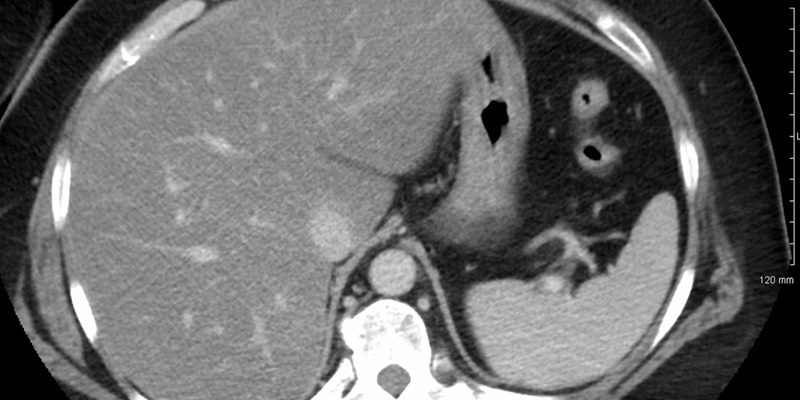
Refractory ascites is a clinical sign of end-stage liver disease, with few effective treatment options. Most patients will undergo repeated large-volume paracentesis (LVP) with albumin infusions. Home-based small-volume paracentesis is becoming more common, though previous research suggests there may be increased risks of AKI, hyponatremia, and hospital admissions with this practice. This retrospective cohort study aimed to examine the incidence of complications associated with daily small-volume drainage. 250 patients with refractory ascites were followed for 90 days. Only patients with contraindications to transjugular intrahepatic portosystemic shunt were included in the study. 72% of patients underwent daily small-volume drainage (minimum 1.5 L/ day) and 28% received repeated LVPs. The study endpoints were a 90-day incidence of hyponatremia and AKI. Compared to repeated LVPs, daily drainage was associated with an increased risk of hyponatremia (HR, 2.17; 95% CI, 1.24-3.78; P = .006) and AKI (HR, 1.43; 95% CI, 1.01-2.16; P = .04). There was no increased risk found for patients draining less than 1.5 L/ day. This study suggests that clinicians should be cautious of advising at-home drainage exceeding 1.5L/ day without albumin infusions. This study is mainly limited by the small sample size and the retrospective research design. To more accurately determine the risks associated with different drainage methods, future research may expand on this data by recruiting a larger study population or adopting a prospective or randomized control trial design. Nonetheless, study findings suggest that there are likely ongoing complications associated with home-based low-volume paracentesis that may inhibit it from being a viable therapeutic option for some patients. 

Click to read the study in JAMA Network Open

Image: PD

©2023 2 Minute Medicine, Inc. All rights reserved. No works may be reproduced without expressed written consent from 2 Minute Medicine, Inc. Inquire about licensing here. No article should be construed as medical advice and is not intended as such by the authors or by 2 Minute Medicine, Inc.

RELATED REPORTS

Carvedilol linked to lower cirrhosis complication risk

Seladelpar (Livdelzi) raises the bar for primary biliary cholangitis treatment

A plant and dairy-based protein diet is associated with improved liver disease severity in cirrhosis

Tags: ascitescirrhosisliver diseaseparacentesis
Previous Post

Patient Perspective of Opioid Pain-Control Use After Mohs Micrographic Surgery

Next Post

Butylphthalide is an effective and safe neuroprotective agent for acute ischemic stroke– the BAST trial

RelatedReports

Increasing survival rates for patients with acute liver failure
Gastroenterology

Carvedilol linked to lower cirrhosis complication risk

July 6, 2026
Increased risk of stillbirth recurrence after a previous stillbirth
All Specialties

Seladelpar (Livdelzi) raises the bar for primary biliary cholangitis treatment

June 9, 2026
Increasing survival rates for patients with acute liver failure
Chronic Disease

A plant and dairy-based protein diet is associated with improved liver disease severity in cirrhosis

January 13, 2026
Weekly Rewinds

2 Minute Medicine Rewind October 13, 2025

January 13, 2026
Next Post
Intensive rehabilitation not superior to traditional therapy for arm function after stroke

Butylphthalide is an effective and safe neuroprotective agent for acute ischemic stroke– the BAST trial

Survival greater in cervical cancer patients undergoing abdominal hysterectomy compared to minimally invasive techniques: the LACC trial

2 Minute Medicine Rewind July 17, 2023

Parents with poor sleep quality report sleep problems in kids

Disease activity may be associated with sleep quality in pediatric patients with inflammatory bowel disease

EvidencePulse™ by 2 Minute Medicine 2026 evidence scan 3 reports You asked top stroke trials 2026 Synthesizing medical evidence... Top 2026 stroke trial results: OCEANIC — ischemic stroke: 6.2% vs 8.4% OPTION* — mRS 0–1: 43.6% vs 34.2% ORIENTAL* — mRS 0–2: 58.6% vs 46.6% *Higher sICH in intervention arms Participants randomizedN OCEANIC 12,327 OPTION 570 ORIENTAL 564 Ask about guidelines or landmark trials... ↑ Try EvidencePulse™ Ask the evidence.
Get the signal.
Try it now → Physician-trained medical AI by 2 Minute Medicine

2MM+ All Access

Full details →
$4.99 /month

5-day free trial · cancel anytime

  • ✓100+ physician-written reports
  • ✓EvidencePulse™ + HypeCheck™
  • ✓Ad-free reading + newsletters
Start 5-day free trial

Then $4.99/month. Manage renewal in your account.

2 Minute Medicine® is an award winning, physician-run, expert medical media company. Our content is curated, written and edited by practicing health professionals who have clinical and scientific expertise in their field of reporting. Our editorial management team is comprised of highly-trained MD physicians. Join numerous brands, companies, and hospitals who trust our licensed content.

Recent Reports

  • Deficits in executive function are not universal among patients with alcohol use disorder
  • Choice of bicarbonate-buffered solution versus compound sodium lactate as the intraoperative crystalloid solution during abdominal surgery remains unclear
  • Artificial intelligence (AI)-based coronary calcium quantification successfully identified patients who could benefit from lipid-lowering therapy
License Content
Terms of Use | Disclaimer
Cookie Policy
Cleantalk Pixel
2MM+ All Access Full details →

The medical literature, distilled daily.

Monthly plan selected: $4.99 /month.

$4.99/month

5-day free trial · cancel anytime

Start 5-day free trial

Then $4.99/month. Manage renewal in your account.

Yearly plan selected: $49.90 /year.

$49.90/year

2 months free · only $4.16/month

Start 5-day free trial

Then $49.90/year. Manage renewal in your account.

Membership benefits

  • ✓100+ physician-written reports
  • ✓AI EvidencePulse™ + HypeCheck™
  • ✓Ad-free reading + newsletters

Already a member? Sign in

  • About
  • Specialties
    • All Specialties, All Recent Reports
    • Cardiology
    • Chronic Disease
    • Dermatology
    • Emergency
    • Endocrinology
    • Gastroenterology
    • Imaging and Intervention
    • Infectious Disease
    • Nephrology
    • Neurology
    • Obstetrics
    • Oncology
    • Ophthalmology
    • Pediatrics
    • Pharma
    • Preclinical
    • Psychiatry
    • Public Health
    • Pulmonology
    • Rheumatology
    • Surgery
  • Tools
    • EvidencePulse™
    • HypeCheck™
    • NPI Registry Lookup
    • RVU Search
  • Pharma
  • AI Roundup
  • The Scan
  • Classics™
    • 2MM+ Online Access
    • Paperback and Ebook
  • Rewinds
  • Partners
    • License Content
    • Submit Press Release
    • Advertise with Us
  • Account
    • Subscribe
    • My account
    • Cart
    • Sign-in
No Result
View All Result

© 2026 2 Minute Medicine, Inc. - Physician-written medical news.