• About
  • Masthead
  • License Content
  • Advertise
  • Submit Press Release
  • RSS/Email List
  • 2MM Podcast
  • Write for us
  • Contact Us
2 Minute Medicine
No Result
View All Result

No products in the cart.

SUBSCRIBE
  • Specialties
    • All Specialties, All Recent Reports
    • Cardiology
    • Chronic Disease
    • Dermatology
    • Emergency
    • Endocrinology
    • Gastroenterology
    • Imaging and Intervention
    • Infectious Disease
    • Nephrology
    • Neurology
    • Obstetrics
    • Oncology
    • Ophthalmology
    • Pediatrics
    • Pharma
    • Preclinical
    • Psychiatry
    • Public Health
    • Pulmonology
    • Rheumatology
    • Surgery
  • Tools
    • EvidencePulse™
    • RVU Search
    • NPI Registry Lookup
  • Pharma
  • AI News
  • The Scan+
  • Classics™+
    • 2MM+ Online Access
    • Paperback and Ebook
  • Rewinds
  • Partners
    • License Content
    • Submit Press Release
    • Advertise with Us
  • Account
    • Subscribe
    • Sign-in
    • My account
2 Minute Medicine
  • Specialties
    • All Specialties, All Recent Reports
    • Cardiology
    • Chronic Disease
    • Dermatology
    • Emergency
    • Endocrinology
    • Gastroenterology
    • Imaging and Intervention
    • Infectious Disease
    • Nephrology
    • Neurology
    • Obstetrics
    • Oncology
    • Ophthalmology
    • Pediatrics
    • Pharma
    • Preclinical
    • Psychiatry
    • Public Health
    • Pulmonology
    • Rheumatology
    • Surgery
  • Tools
    • EvidencePulse™
    • RVU Search
    • NPI Registry Lookup
  • Pharma
  • AI News
  • The Scan+
  • Classics™+
    • 2MM+ Online Access
    • Paperback and Ebook
  • Rewinds
  • Partners
    • License Content
    • Submit Press Release
    • Advertise with Us
  • Account
    • Subscribe
    • Sign-in
    • My account
SUBSCRIBE
2 Minute Medicine
Subscribe
Home All Specialties Cardiology

Ferric carboxymaltose does not improve heart failure with iron deficiency
byNhat Hung (Benjamin) LamandKiera Liblik
October 11, 2023
in Cardiology, Chronic Disease, Gastroenterology
Reading Time: 3 mins read
0
Share on FacebookShare on Twitter

1. In this randomized controlled trial, ferric carboxymaltose was not superior to placebo in improving death and hospitalization in patients with heart failure with reduced ejection fraction (HFrEF) and concurrent iron deficiency.

2. Ferric carboxymaltose was safe and improved six-minute walk distance.

Evidence Rating Level: 1 (Excellent)

Study Rundown: Iron deficiency is a common complication of heart failure and can exacerbate HFrEF exacerbations. Although oral iron supplementation has not shown benefits for patients with HFrEF and iron deficiency, trials investigating intravenous iron formulations such as ferric carboxymaltose have shown conflicting evidence regarding their impact on mortality and hospitalizations. The current study was a double-blind, randomized, placebo-controlled trial to assess the effects of ferric carboxymaltose on the composite outcome of death, hospitalization, and six-minute walk distance among patients with HFrEF and concurrent iron deficiency. The rates of death and hospitalization for heart failure at 12 months were similar between the ferric carboxymaltose and placebo groups. However, the ferric carboxymaltose resulted in modest improvements in six-minute walk distance compared to placebo at six and 12 months. These results were limited to HFrEF patients, and ferric carboxymaltose could potentially benefit heart failure patients with preserved ejection fraction. Nevertheless, ferric carboxymaltose was non-superior to placebo in its effect on the composite of death, hospitalizations, and six-minute walk distance in patients with HFrEF and concurrent iron deficiency.

Click here to read the study in NEJM

In-Depth [randomized controlled trial]: The current study was a double-blind, randomized, placebo-controlled trial investigating the effects of intravenous ferric carboxymaltose on patients with HFrEF and iron deficiency. Adult patients with heart failure whose left ventricular ejection fraction was 40% or less, whose hemoglobin levels were between 9-13.5 g/dL in men or 9-15 g/dL in women, and who had iron deficiency were eligible for inclusion. Exclusion criteria included recent acute cardiovascular emergencies, hemodialysis, and liver diseases. Overall, 3,065 patients were randomized 1:1 to receive intravenous ferric carboxymaltose or placebo every six months, as guided by their iron indices and hemoglobin levels. The primary outcome was a hierarchical composite of death and hospitalizations for heart failure within 12 months and a change from baseline to six months in the six-minute walk distance test. By 12 months, death had occurred in 8.6% in the ferric carboxymaltose group and 10.3% in the placebo group. The unmatched win ratio for the primary outcome was 1.10 (99% Confidence Interval [CI], 0.99-1.23; p=0.02). The composite of cardiovascular death and hospitalization for heart failure occurred in 31.0% of the ferric carboxymaltose group and 32.2% of the placebo group (hazard ratio, 0.93; 96% CI, 0.81-1.06). The mean (±SD) change from baseline in 6-minute walk distance at 12 months was 5±71m in the ferric carboxymaltose group and 4±72m in the placebo group. The odds of improving by 10m and 20m from baseline at six and 12 months were higher in the ferric carboxymaltose group. The rates of death and serious adverse events were comparable between the two groups. In summary, this trial showed that for ambulatory patients with HFrEF and iron deficiency, intravenous ferric carboxymaltose was not superior to placebo in its impact on the composite of death, hospitalizations for heart failure, and six-minute walk distance.

RELATED REPORTS

A medical care at home program following hospitalization with acute decompensated heart failure may offer a safe and effective alternative to continued hospitalization

Catheter ablation within 1 year of atrial fibrillation diagnosis is associated with reduced risk of recurrence

2 Minute Medicine Rewind July 20, 2026

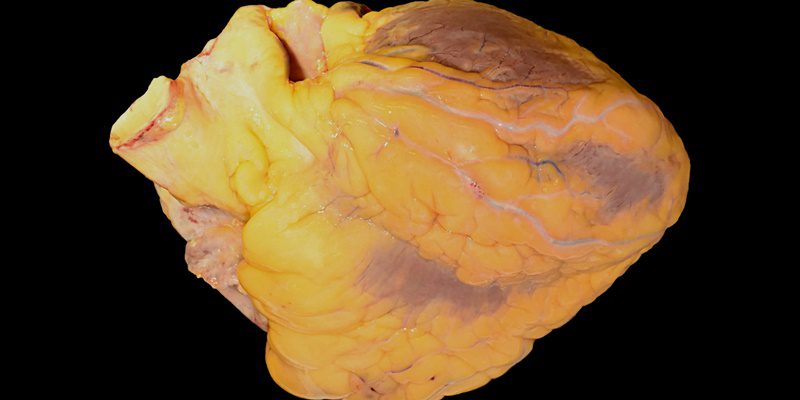
Image: PD

©2023 2 Minute Medicine, Inc. All rights reserved. No works may be reproduced without expressed written consent from 2 Minute Medicine, Inc. Inquire about licensing here. No article should be construed as medical advice and is not intended as such by the authors or by 2 Minute Medicine, Inc.

Tags: cardiologychronic diseaseferric carboxymaltoseGastroenterologyheart failureheart failure with reduced ejection fractionHFrEF (heart failure with reduced ejection fraction)iron deficiency
Previous Post

Sodium-glucose cotransporter-2 inhibitors may decrease incidence of recurrent gout flares

Next Post

#VisualAbstract: Prophylactic antibiotics prevent urinary tract infections in infants with vesicoureteral reflux

RelatedReports

Remote patient monitoring did not reduce heart failure readmissions: The BEAT-HF trial
Cardiology

A medical care at home program following hospitalization with acute decompensated heart failure may offer a safe and effective alternative to continued hospitalization

July 24, 2026
Rivaroxaban likely reduces risk of recurrent stroke in specific subgroup of patients with embolic stroke of undetermined source
Cardiology

Catheter ablation within 1 year of atrial fibrillation diagnosis is associated with reduced risk of recurrence

July 24, 2026
Remote patient monitoring did not reduce heart failure readmissions: The BEAT-HF trial
Weekly Rewinds

2 Minute Medicine Rewind July 20, 2026

July 20, 2026
Quick Take: Diagnostic Yield of One-Time Colonoscopy vs One-Time Flexible Sigmoidoscopy vs Multiple Rounds of Mailed Fecal Immunohistochemical Tests in Colorectal Cancer Screening
Chronic Disease

Male sex and hispanic ethnicity are associated with increased risk of early-onset colorectal cancer

June 29, 2026
Next Post
#VisualAbstract: Prophylactic antibiotics prevent urinary tract infections in infants with vesicoureteral reflux

#VisualAbstract: Prophylactic antibiotics prevent urinary tract infections in infants with vesicoureteral reflux

Prognostic nomograms predict survival after chemoembolization of hepatocellular carcinoma

Camrelizumab plus rivoceranib superior to sorafenib for treatment of unresectable hepatocellular carcinoma

Breast-conserving surgery is an appropriate procedure for centrally located breast cancer

2 Minute Medicine® is an award winning, physician-run, expert medical media company. Our content is curated, written and edited by practicing health professionals who have clinical and scientific expertise in their field of reporting. Our editorial management team is comprised of highly-trained MD physicians. Join numerous brands, companies, and hospitals who trust our licensed content.

Recent Reports

  • A digital mental health intervention may improve anxiety in breast cancer survivors
  • Praziquantel (Biltricide) is associated with higher cure rate than albendazole (Zentel) in the treatment of clonorchiasis
  • Use of semaglutide for weight control among women of reproductive age is more common in those using hormonal contraception
License Content
Terms of Use | Disclaimer
Cookie Policy
Privacy Statement (EU)
Disclaimer
  • Specialties
    • All Specialties, All Recent Reports
    • Cardiology
    • Chronic Disease
    • Dermatology
    • Emergency
    • Endocrinology
    • Gastroenterology
    • Imaging and Intervention
    • Infectious Disease
    • Nephrology
    • Neurology
    • Obstetrics
    • Oncology
    • Ophthalmology
    • Pediatrics
    • Pharma
    • Preclinical
    • Psychiatry
    • Public Health
    • Pulmonology
    • Rheumatology
    • Surgery
  • Tools
    • EvidencePulse™
    • RVU Search
    • NPI Registry Lookup
  • Pharma
  • AI News
  • The Scan
  • Classics™
    • 2MM+ Online Access
    • Paperback and Ebook
  • Rewinds
  • Partners
    • License Content
    • Submit Press Release
    • Advertise with Us
  • Account
    • Subscribe
    • Sign-in
    • My account
No Result
View All Result

© 2026 2 Minute Medicine, Inc. - Physician-written medical news.