• About
  • Masthead
  • License Content
  • Advertise
  • Submit Press Release
  • RSS/Email List
  • 2MM Podcast
  • Write for us
  • Contact Us
2 Minute Medicine
No Result
View All Result

No products in the cart.

SUBSCRIBE
  • About
  • Specialties
    • All Specialties, All Recent Reports
    • Cardiology
    • Chronic Disease
    • Dermatology
    • Emergency
    • Endocrinology
    • Gastroenterology
    • Imaging and Intervention
    • Infectious Disease
    • Nephrology
    • Neurology
    • Obstetrics
    • Oncology
    • Ophthalmology
    • Pediatrics
    • Pharma
    • Preclinical
    • Psychiatry
    • Public Health
    • Pulmonology
    • Rheumatology
    • Surgery
  • Tools+
    • EvidencePulse™
    • HypeCheck™
    • NPI Registry Lookup
    • RVU Search
  • Pharma
  • AI Roundup
  • The Scan+
  • Classics™+
    • 2MM+ Online Access
    • Paperback and Ebook
  • Rewinds
  • Partners
    • License Content
    • Submit Press Release
    • Advertise with Us
  • Account
    • Subscribe
    • My account
    • Cart
    • Sign-in
2 Minute Medicine
  • About
  • Specialties
    • All Specialties, All Recent Reports
    • Cardiology
    • Chronic Disease
    • Dermatology
    • Emergency
    • Endocrinology
    • Gastroenterology
    • Imaging and Intervention
    • Infectious Disease
    • Nephrology
    • Neurology
    • Obstetrics
    • Oncology
    • Ophthalmology
    • Pediatrics
    • Pharma
    • Preclinical
    • Psychiatry
    • Public Health
    • Pulmonology
    • Rheumatology
    • Surgery
  • Tools+
    • EvidencePulse™
    • HypeCheck™
    • NPI Registry Lookup
    • RVU Search
  • Pharma
  • AI Roundup
  • The Scan+
  • Classics™+
    • 2MM+ Online Access
    • Paperback and Ebook
  • Rewinds
  • Partners
    • License Content
    • Submit Press Release
    • Advertise with Us
  • Account
    • Subscribe
    • My account
    • Cart
    • Sign-in
SUBSCRIBE
2 Minute Medicine
Subscribe
EvidencePulse™ by 2 Minute Medicine 2026 evidence scan 3 reports You asked top stroke trials 2026 Synthesizing medical evidence... Top 2026 stroke trial results: OCEANIC — ischemic stroke: 6.2% vs 8.4% OPTION* — mRS 0–1: 43.6% vs 34.2% ORIENTAL* — mRS 0–2: 58.6% vs 46.6% *Higher sICH in intervention arms Participants randomizedN OCEANIC 12,327 OPTION 570 ORIENTAL 564 Ask about guidelines or landmark trials... ↑ Try EvidencePulse™ Ask the evidence.
Get the signal.
Try it now → Physician-trained medical AI by 2 Minute Medicine
Home All Specialties Infectious Disease

Kidneys from donors with HIV have good safety outcomes in persons with HIV
byNhat Hung (Benjamin) LamandKiera Liblik
November 22, 2024
in Infectious Disease, Nephrology, Surgery
Reading Time: 3 mins read
Pre-exposure prophylaxis (PrEP) effective in preventing HIV infection in high-risk gay men
Share on FacebookShare on Twitter

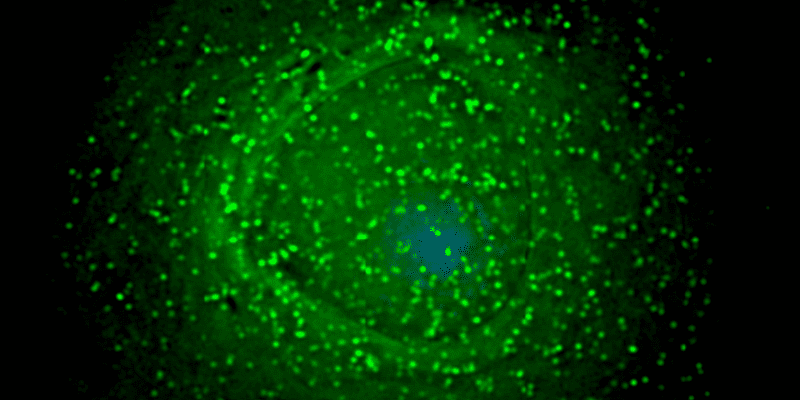
1. Among patients living with human immunodeficiency virus (HIV) who received deceased donor kidney transplants, kidneys from donors with HIV were noninferior to donors without HIV in composite safety outcomes.

2. The incidence of HIV breakthrough infection was higher for recipients of kidneys from donors with HIV.

Evidence Rating Level: 1 (Excellent)

Study Rundown: Kidney transplantation is a life-saving intervention for patients with end-stage renal disease. Persons with HIV receiving dialysis have high mortality risks yet less access to transplantation than those without HIV. Organ transplantation from donors with HIV was banned before new legislation and research recommendations emerged. Early observational evidence, albeit limited, showed promising outcomes in kidney transplantations from HIV-positive donors to HIV-positive recipients. This was an observational study comparing the transplantation of kidneys from deceased donors with HIV and without HIV to recipients with HIV. Transplantation from HIV-positive donors was noninferior to that from HIV-negative donors in the composite safety outcome. Survival and graft loss outcomes at 1 year were also comparable. The incidence of breakthrough HIV infection was higher among recipients of kidneys from HIV-positive donors, including one potential HIV superinfection, with no persistent failures of antiviral treatment. The study was limited by its intrinsic non-randomized design and heterogenous immunosuppression regimens. Nevertheless, these results provided evidence of noninferiority of kidney transplantation from donors with HIV to recipients with HIV and could help inform guidelines to improve access for this patient population.

Click here to read the study in NEJM 

Relevant Reading:  HIV-Positive–to–HIV-Positive Kidney Transplantation — Results at 3 to 5 Years

RELATED REPORTS

Use of long-acting broadly neutralizing antibodies may delay human immunodeficiency virus (HIV) rebound following discontinuation of antiretroviral therapy

Choice of bicarbonate-buffered solution versus compound sodium lactate as the intraoperative crystalloid solution during abdominal surgery remains unclear

2 Minute Medicine Rewind September 14, 2026

In-Depth [randomized controlled trial]: This was a multicenter observational study across 26 centers in the US to compare the transplantation of kidneys from deceased HIV-positive donors and HIV-negative donors to recipients with HIV. Persons with well-controlled HIV under antiretroviral therapy and end-stage renal disease 18 years of age or older, who met local criteria for kidney transplantation and consented to receive a kidney from a donor with HIV, were eligible for inclusion. Exclusion criteria included active opportunistic infections, a history of progressive multifocal leukoencephalopathy, and central nervous system lymphoma. Participants were eligible to receive a kidney from a donor with or without HIV, whichever was available first according to national Organ Procurement and Transplantation Network guidelines. The primary outcome was a composite of death from any cause, graft loss, serious adverse event, HIV breakthrough infection, persistent failure of HIV treatment (beyond 90 days), or opportunistic infection. In total, 408 transplantation candidates were enrolled, with 198 eventual recipients with a 1:1 ratio of kidneys from donors with and without HIV. The adjusted hazard ratio for the primary outcome was 1.00 (95% confidence interval [CI] 0.73-1.38), demonstrating noninferiority. Secondary outcomes were also comparable across the two recipient groups (donors with HIV versus without HIV): overall survival at 1 year (94% vs. 95%) and 3 years (85% vs. 87%), survival without graft loss at 1 year (93% vs. 90%) and 3 years (84% vs. 81%), and rejection at 1 year (13% vs. 21%) and 3 years (21% vs. 24%). The incidence of serious adverse events (75% vs. 77%), opportunistic infections (8% vs. 7%), and cancer (8% vs. 6%) was also similar between the groups. Notably, HIV breakthrough infection occurred more frequently in the HIV-positive donor group (10%) than the HIV-negative donor group (4%) (incidence rate ratio 3.14, 95% CI 1.02-9.63), with one potential HIV superinfection. These results provided strong evidence of noninferiority of kidney transplantation from donors with HIV to recipients with HIV compared with donors without HIV.

Image: PD

©2024 2 Minute Medicine, Inc. All rights reserved. No works may be reproduced without expressed written consent from 2 Minute Medicine, Inc. Inquire about licensing here. No article should be construed as medical advice and is not intended as such by the authors or by 2 Minute Medicine, Inc.
Tags: HIVhuman immunodeficiency virusinfectious diseasenephrologyrenal transplantSurgerytransplant
Previous Post

Stereotactic body radiotherapy is noninferior to hypofractionated radiotherapy for localized prostate cancer

Next Post

Transcranial direct current stimulation with repetitive transcranial magnetic stimulation effective for depression

RelatedReports

Chronic Disease

Use of long-acting broadly neutralizing antibodies may delay human immunodeficiency virus (HIV) rebound following discontinuation of antiretroviral therapy

September 24, 2026
Imaging and Intervention

Choice of bicarbonate-buffered solution versus compound sodium lactate as the intraoperative crystalloid solution during abdominal surgery remains unclear

September 15, 2026
Weekly Rewinds

2 Minute Medicine Rewind September 14, 2026

September 14, 2026
Few high school students, young adults get HIV testing
Chronic Disease

Low-dose hydrocortisone may improve memory in women with human immunodeficiency virus infection

September 6, 2026
Next Post
Parents often unaware of adolescents’ suicidal thoughts

Transcranial direct current stimulation with repetitive transcranial magnetic stimulation effective for depression

Medical vaccine exemptions increase after elimination of nonmedical exemptions

2 Minute Medicine Rewind November 25, 2024

Cases of neurodevelopmental disorders caused by mutated lncRNA CHASERR

EvidencePulse™ by 2 Minute Medicine 2026 evidence scan 3 reports You asked top stroke trials 2026 Synthesizing medical evidence... Top 2026 stroke trial results: OCEANIC — ischemic stroke: 6.2% vs 8.4% OPTION* — mRS 0–1: 43.6% vs 34.2% ORIENTAL* — mRS 0–2: 58.6% vs 46.6% *Higher sICH in intervention arms Participants randomizedN OCEANIC 12,327 OPTION 570 ORIENTAL 564 Ask about guidelines or landmark trials... ↑ Try EvidencePulse™ Get the signal. Try it now → Physician-trained medical AI by 2 Minute Medicine

2MM+ All Access

Full details →
$4.99 /month

3-day free trial · cancel anytime

  • ✓100+ physician-written reports
  • ✓EvidencePulse™ + HypeCheck™
  • ✓Ad-free reading + newsletters
Start 3-day free trial

Then $4.99/month. Manage renewal in your account.

2 Minute Medicine® is an award winning, physician-run, expert medical media company. Our content is curated, written and edited by practicing health professionals who have clinical and scientific expertise in their field of reporting. Our editorial management team is comprised of highly-trained MD physicians. Join numerous brands, companies, and hospitals who trust our licensed content.

Recent Reports

  • Prognostic associations of anthropometric indices vary by clinical outcomes
  • Anitocabtagene autoleucel associated with sustained clinical response in heavily pretreated multiple myeloma
  • Gene therapy shows sustained benefit in Wiskott–Aldrich syndrome
License Content
Terms of Use | Disclaimer
Cookie Policy
2MM+ All Access Full details →

The medical literature, distilled daily.

Monthly plan selected: $4.99 /month.

$4.99/month

3-day free trial · cancel anytime

Start 3-day free trial

Then $4.99/month. Manage renewal in your account.

Yearly plan selected: $49.90 /year.

$49.90/year

2 months free

Start 3-day free trial

Then $49.90/year.

Membership benefits

  • ✓100+ physician-written reports
  • ✓AI EvidencePulse™ + HypeCheck™
  • ✓Ad-free reading + newsletters

Already a member? Sign in

  • About
  • Specialties
    • All Specialties, All Recent Reports
    • Cardiology
    • Chronic Disease
    • Dermatology
    • Emergency
    • Endocrinology
    • Gastroenterology
    • Imaging and Intervention
    • Infectious Disease
    • Nephrology
    • Neurology
    • Obstetrics
    • Oncology
    • Ophthalmology
    • Pediatrics
    • Pharma
    • Preclinical
    • Psychiatry
    • Public Health
    • Pulmonology
    • Rheumatology
    • Surgery
  • Tools
    • EvidencePulse™
    • HypeCheck™
    • NPI Registry Lookup
    • RVU Search
  • Pharma
  • AI Roundup
  • The Scan
  • Classics™
    • 2MM+ Online Access
    • Paperback and Ebook
  • Rewinds
  • Partners
    • License Content
    • Submit Press Release
    • Advertise with Us
  • Account
    • Subscribe
    • My account
    • Cart
    • Sign-in
No Result
View All Result

© 2026 2 Minute Medicine, Inc. - Physician-written medical news.