• About
  • Masthead
  • License Content
  • Advertise
  • Submit Press Release
  • RSS/Email List
  • 2MM Podcast
  • Write for us
  • Contact Us
2 Minute Medicine
No Result
View All Result

No products in the cart.

SUBSCRIBE
  • Specialties
    • All Specialties, All Recent Reports
    • Cardiology
    • Chronic Disease
    • Dermatology
    • Emergency
    • Endocrinology
    • Gastroenterology
    • Imaging and Intervention
    • Infectious Disease
    • Nephrology
    • Neurology
    • Obstetrics
    • Oncology
    • Ophthalmology
    • Pediatrics
    • Pharma
    • Preclinical
    • Psychiatry
    • Public Health
    • Pulmonology
    • Rheumatology
    • Surgery
  • Tools
    • EvidencePulse™
    • HypeCheck™
    • NPI Registry Lookup
    • RVU Search
  • Pharma
  • AI News
  • The Scan+
  • Classics™+
    • 2MM+ Online Access
    • Paperback and Ebook
  • Rewinds
  • Partners
    • License Content
    • Submit Press Release
    • Advertise with Us
  • Account
    • Subscribe
    • Sign-in
    • My account
2 Minute Medicine
  • Specialties
    • All Specialties, All Recent Reports
    • Cardiology
    • Chronic Disease
    • Dermatology
    • Emergency
    • Endocrinology
    • Gastroenterology
    • Imaging and Intervention
    • Infectious Disease
    • Nephrology
    • Neurology
    • Obstetrics
    • Oncology
    • Ophthalmology
    • Pediatrics
    • Pharma
    • Preclinical
    • Psychiatry
    • Public Health
    • Pulmonology
    • Rheumatology
    • Surgery
  • Tools
    • EvidencePulse™
    • HypeCheck™
    • NPI Registry Lookup
    • RVU Search
  • Pharma
  • AI News
  • The Scan+
  • Classics™+
    • 2MM+ Online Access
    • Paperback and Ebook
  • Rewinds
  • Partners
    • License Content
    • Submit Press Release
    • Advertise with Us
  • Account
    • Subscribe
    • Sign-in
    • My account
SUBSCRIBE
2 Minute Medicine
Subscribe
Home All Specialties Infectious Disease

Newly discovered orthonairovirus is associated with human febrile illnesses

byShagun JainandKiera Liblik
October 1, 2024
in Infectious Disease, Public Health
Reading Time: 2 mins read
0
Share on FacebookShare on Twitter

1. A newly found orthonairovirus, Wetland virus (WELV), was discovered to be pathogenic to humans, causing
febrile illnesses in northeastern China.

2. WELV was detected in various animal species and ticks, suggesting that the Haemaphysalis concinna tick may be the vector that transmits the infection.

Evidence Rating Level: 2 (Good)

Study Rundown: Tickborne viral infections are associated with significant morbidity and mortality worldwide. The genus orthonairovirus comprises species of tickborne viruses that are responsible for febrile illnesses in humans. Despite the prevalence of viral illnesses transmitted by tick vectors, the maintenance of enzootic cycles is unclear, making it difficult to prevent and control these diseases. In 2019, a patient presented to a hospital in Liaoning, China, with fever and multiorgan dysfunction after a tick bite in a wetland park in Inner Mongolia. After sequencing the patient’s serum, it was revealed that the patient had an orthonairovirus, designated WELV. The present study identified febrile patients with a history of tick bites by conducting active hospital-based surveillance in China. Epidemiological investigations, animal sampling, and serological testing were also conducted to study the infectivity and pathogenicity of WELV. This study identified Haemaphysalis concinna as a possible vector for the WELV orthonairovirus. The virus was shown to be pathogenic in both human and animal models, which raised concerns about fever disease risk to the region.

Click here to read the study in NEJM

In-Depth [epidemiological study]: This study identified and characterized the novel orthonoairovirus, WELV, in northeastern China by investigating its epidemiology, transmission, and pathogenicity. Active surveillance was performed in four medical facilities in northeast China, where patients who had developed acute fever within one month after a tick bite were identified. These patients underwent screening for WELV via molecular and serological testing on blood and serum samples. Laboratory testing was also conducted to isolate WELV via reverse transcriptase polymerase chain reaction (RT-PCR) from ticks, tissue samples from wild animals, and serum samples from domestic animal and human patients (n=682). To assess the pathogenicity of WELV, viral load and clinical signs were monitored after in vivo experimental infections were produced in mice and hamsters. Viral transmission was also assessed by conducting transmission studies with the Haemaphysalis concinna tick. Results from this study identified WELV as a tickborne virus from the orthonairovirus genus in the Nairoviride family. Seventeen patients from northeastern China were identified with acute WELV infection. These patients presented with symptoms such as fever, dizziness, headache, and myalgia. Laboratory findings from these patients revealed leukopenia, thrombocytopenia, and elevated D dimer and lactate dehydrogenase levels. The WELV RNA was detected in five tick species and horses, pigs, and sheep sampled in northeastern China. In vivo, infection of some strains of mice by WELV resulted in death. The Haemaphysalis concinna tick was identified as a possible vector for WELV. The virus was shown to be pathogenic in both human and animal models, raising concerns about health impacts in northeastern China.

RELATED REPORTS

Hematologic inflammatory indices may predict prognosis in younger patients with COVID-19 but not older patients

New Mexico measles outbreak associated with significant costs

Praziquantel (Biltricide) is associated with higher cure rate than albendazole (Zentel) in the treatment of clonorchiasis

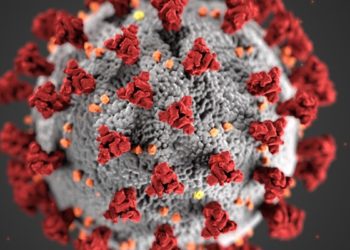
Image: PD

©2024 2 Minute Medicine, Inc. All rights reserved. No works may be reproduced without expressed written consent from 2 Minute Medicine, Inc. Inquire about licensing here. No article should be construed as medical advice and is not intended as such by the authors or by 2 Minute Medicine, Inc.

Tags: Haemaphysalis concinna tickinfectious diseaseorthonairoviruspublic healthWELVWetland virusWetland virus (WELV)
Previous Post

#VisualAbstract: Cabozantinib Improved Progression-Free Survival in Advanced Neuroendocrine 2m -m Tumors

Next Post

Adjunctive treatment with argatroban or eptifibatide does not improve post-stroke functional outcomes

RelatedReports

Novel coronavirus identified from patients with pneumonia in Wuhan, China
Chronic Disease

Hematologic inflammatory indices may predict prognosis in younger patients with COVID-19 but not older patients

August 4, 2026
Epidemiologic features of the 2018-2019 measles outbreak in New York City
Infectious Disease

New Mexico measles outbreak associated with significant costs

August 2, 2026
Neoplastic tapeworm cells may invade human tissue in immunocompromised hosts
Infectious Disease

Praziquantel (Biltricide) is associated with higher cure rate than albendazole (Zentel) in the treatment of clonorchiasis

July 31, 2026
Targeted interventions effective in teaching children to swallow pills
Chronic Disease

Contaminated drinking water is associated with increased risk of uterine cancer

July 30, 2026
Next Post
Non-alcoholic fatty liver disease and risk of incident acute myocardial infarction and stroke: findings from matched cohort study of 18 million European adults

Adjunctive treatment with argatroban or eptifibatide does not improve post-stroke functional outcomes

Drug-coated balloons are noninferior to drug-eluting stents for treatment of small vessel coronary artery disease

Optical coherence tomography-guided angioplasty reduces adverse events compared to angiography guidance

Sorafenib increases progression-free survival in patients with desmoid tumors

Phase II basket trial of dual anti-CTLA-4 and anti-PD-1 blockade in rare tumors

2 Minute Medicine® is an award winning, physician-run, expert medical media company. Our content is curated, written and edited by practicing health professionals who have clinical and scientific expertise in their field of reporting. Our editorial management team is comprised of highly-trained MD physicians. Join numerous brands, companies, and hospitals who trust our licensed content.

Recent Reports

  • 2 Minute Medicine Rewind August 17, 2026
  • Melatonin use is associated with lower proportions of rapid eye movement sleep in children
  • Tumour microenvironment factors may influence cancer progression and response to tamoxifen (Nolvadex) in patients with estrogen receptor-positive and human epidermal growth factor receptor 2 breast cancer
License Content
Terms of Use | Disclaimer
Cookie Policy
Privacy Statement (EU)
Disclaimer
  • Specialties
    • All Specialties, All Recent Reports
    • Cardiology
    • Chronic Disease
    • Dermatology
    • Emergency
    • Endocrinology
    • Gastroenterology
    • Imaging and Intervention
    • Infectious Disease
    • Nephrology
    • Neurology
    • Obstetrics
    • Oncology
    • Ophthalmology
    • Pediatrics
    • Pharma
    • Preclinical
    • Psychiatry
    • Public Health
    • Pulmonology
    • Rheumatology
    • Surgery
  • Tools
    • EvidencePulse™
    • HypeCheck™
    • NPI Registry Lookup
    • RVU Search
  • Pharma
  • AI News
  • The Scan
  • Classics™
    • 2MM+ Online Access
    • Paperback and Ebook
  • Rewinds
  • Partners
    • License Content
    • Submit Press Release
    • Advertise with Us
  • Account
    • Subscribe
    • Sign-in
    • My account
No Result
View All Result

© 2026 2 Minute Medicine, Inc. - Physician-written medical news.