• About
  • Masthead
  • License Content
  • Advertise
  • Press Releases
  • Newsroom
  • RSS/Email List
  • 2MM Podcast
  • Write for us
  • Contact Us
2 Minute Medicine
No Result
View All Result

No products in the cart.

Sign in
SUBSCRIBE
  • About
  • Specialties
    • All Specialties, All Recent Reports
    • Cardiology
    • Chronic Disease
    • Dermatology
    • Emergency
    • Endocrinology
    • Gastroenterology
    • Imaging and Intervention
    • Infectious Disease
    • Nephrology
    • Neurology
    • Obstetrics
    • Oncology
    • Ophthalmology
    • Pediatrics
    • Pharma
    • Preclinical
    • Psychiatry
    • Public Health
    • Pulmonology
    • Rheumatology
    • Surgery
    • Rewinds
    • The Scan
  • EvidencePulse™
  • HypeCheck™
  • AI News
  • Classics™
    • 2MM+ Online Access
    • Paperback and Ebook
  • Tools
    • NPI Registry Lookup
    • RVU Search
    • Physician Pay by Specialty
    • ICD-10 Code Lookup
    • FDA Drug Approvals
    • Drug Safety for Breastfeeding/Pregnancy
    • Clinical Guidelines
    • Medical Calculators
    • ECG Reference
      • QTc Calculator
      • Sgarbossa Criteria
      • ECG Axis Calculator
      • AV Block Helper
  • Rankings
    • Medical School Rankings
    • Residency Rankings
  • Partners
    • License Content
    • Advertise with Us
2 Minute Medicine
  • About
  • Specialties
    • All Specialties, All Recent Reports
    • Cardiology
    • Chronic Disease
    • Dermatology
    • Emergency
    • Endocrinology
    • Gastroenterology
    • Imaging and Intervention
    • Infectious Disease
    • Nephrology
    • Neurology
    • Obstetrics
    • Oncology
    • Ophthalmology
    • Pediatrics
    • Pharma
    • Preclinical
    • Psychiatry
    • Public Health
    • Pulmonology
    • Rheumatology
    • Surgery
    • Rewinds
    • The Scan
  • EvidencePulse™
  • HypeCheck™
  • AI News
  • Classics™
    • 2MM+ Online Access
    • Paperback and Ebook
  • Tools
    • NPI Registry Lookup
    • RVU Search
    • Physician Pay by Specialty
    • ICD-10 Code Lookup
    • FDA Drug Approvals
    • Drug Safety for Breastfeeding/Pregnancy
    • Clinical Guidelines
    • Medical Calculators
    • ECG Reference
      • QTc Calculator
      • Sgarbossa Criteria
      • ECG Axis Calculator
      • AV Block Helper
  • Rankings
    • Medical School Rankings
    • Residency Rankings
  • Partners
    • License Content
    • Advertise with Us
Sign in
SUBSCRIBE
2 Minute Medicine
Sign in
Subscribe
2 Minute MedicineFree on Google PlayGet
✦EvidencePulse™by 2 Minute Medicine3 reportsYou askedtop stroke trials 2026Synthesizing medical evidence...Top 2026 stroke trial results:OCEANIC — ischemic stroke: 6.2% vs 8.4%OPTION* — mRS 0–1: 43.6% vs 34.2%ORIENTAL* — mRS 0–2: 58.6% vs 46.6%*Higher sICH in intervention armsParticipants randomizedNOCEANIC12,327OPTION570ORIENTAL564Ask about guidelines or landmark trials...↑Try EvidencePulse™Ask the evidence. Get the signal.Try it now →
Home Health A to Z

Patient Basics: Aging Overview

by2 Minute Medicine
October 30, 2026
in Health A to Z
Reading Time: 6 mins read
Aging collage: a smiling older man beside an hourglass, folded reading glasses and a pair of walking shoes
Share on FacebookShare on TwitterShare on LinkedIn

Aging (ageing, in British spelling) is the slow change in the body and mind that happens over a lifetime. Some changes are a normal part of getting older, such as needing reading glasses or feeling stiffer in the morning. Others, such as memory loss that disrupts daily life, falls or weight loss you can’t explain, are signs of illness and deserve a checkup. Staying active, eating well and keeping up with medical care help people stay healthy and independent longer.

Key points

  • People age at very different rates. Genes play a part, but habits and health conditions matter a great deal.
  • Muscle and bone start to decline slowly from around age 30.
  • Mild slowing of memory is normal. Memory loss that gets in the way of everyday life is not.
  • Regular exercise, including strength and balance training, is one of the best ways to age well.
  • Tell your doctor about new changes instead of assuming they’re “just age.”

When aging starts

Physical changes begin earlier than most people think. Muscle mass, bone density and lung capacity peak in the 20s and early 30s. In early adulthood, people may notice small changes such as slower recovery after exercise, the first fine lines on the skin, and a gradual dip in metabolism. Habits formed at this stage shape health decades later.

Normal signs of aging

  • Heart and blood vessels. Arteries stiffen, and blood pressure tends to rise. The heart can’t speed up as much during hard exercise.
  • Bones, muscles and joints. Bones thin, muscles shrink and weaken (sarcopenia), and joints stiffen. People often lose some height.
  • Skin and hair. Skin gets thinner, drier and less stretchy, and bruises more easily. Wrinkles, age spots and gray hair appear.
  • Eyes. Close-up focus fades in the 40s (presbyopia). Older eyes need more light and adjust more slowly to glare and darkness. Cataracts become common.
  • Hearing. High-pitched sounds and speech in noisy places get harder to hear.
  • Memory and thinking. Recalling names and words can take longer, and multitasking is harder. Knowledge, vocabulary and judgment often stay strong or improve.
  • Sleep. Sleep becomes lighter, with more waking at night and earlier bedtimes and wake-ups.
  • Digestion and bladder. Constipation is more common, and the bladder holds less, so people pee more often.
  • Weight and metabolism. With less muscle, the body burns fewer calories. Fat tends to shift toward the belly.
  • Immune system. Infections can hit harder, and vaccines may work a bit less well.
  • Sexual health. Women go through menopause, usually around age 51. Men’s erections may take longer and be less firm.

Signs of aging at 60, 70, 80 and 90

These are typical patterns, but many people in their 80s are fitter than others in their 60s.

  • In your 60s: reading glasses, some hearing loss, stiff joints, higher blood pressure and cholesterol, and lighter sleep are common. Many people are still working and very active.
  • In your 70s: loss of muscle and balance becomes more noticeable, walking may slow, and cataracts often need surgery. Most people manage one or more long-term conditions.
  • In your 80s: the risk of falls, frailty, hearing loss and memory problems rises. Many people need help with some tasks, such as driving or heavy housework.
  • In your 90s: energy and strength are lower and recovery from illness is slower. Even so, many people in their 90s enjoy daily life, especially with good social contact.

Changes that aren’t a normal part of aging

  • Memory loss that disrupts daily life, such as getting lost in familiar places or repeating questions
  • Sudden confusion, which can signal an infection, a medicine side effect or a stroke
  • Feeling sad, hopeless or withdrawn for weeks
  • Weight loss you can’t explain
  • Falls, or feeling unsteady
  • Leaking urine often enough to limit what you do
  • Ongoing pain, shortness of breath or exhaustion

Older adults often take several medicines, which can cause dizziness, confusion or falls. Bring all your pills, including vitamins and supplements, to a checkup at least once a year.

Memory, senility and dementia

“Senility” is an old word for memory loss in older people. It suggested that serious forgetting was normal, which it isn’t. Dementia is the modern term for a decline in memory and thinking that is severe enough to affect daily life. Alzheimer’s disease is the most common cause. Dementia becomes more common with age, but it can start in a person’s 50s or 60s (young-onset dementia). Some memory problems have treatable causes, such as low vitamin B12, thyroid disease, depression, sleep apnea or medicines. If you or your family notice changes, ask for an evaluation.

Healthy aging habits

  • Move every day. Aim for about 150 minutes a week of activity like brisk walking, plus muscle-strengthening on 2 days and balance exercises such as tai chi.
  • Eat well. Fill up on vegetables, fruit, beans, whole grains and fish, and get enough protein to protect muscle. Ask whether you need calcium, vitamin D or B12.
  • Stay connected. Loneliness is linked to poorer health and memory. Keep up friendships, volunteer, or join groups.
  • Keep learning. New skills, reading and games keep the mind busy.
  • Sleep 7 to 8 hours and treat snoring or sleep apnea.
  • Don’t smoke, and keep alcohol to a minimum.
  • Get your vaccines, such as flu, COVID-19, shingles, pneumonia and RSV, as recommended for your age.
  • Keep up with checks of blood pressure, cholesterol, blood sugar, vision, hearing, teeth and bone density, and cancer screening as advised.
  • Treat hearing loss. Hearing aids, now sold over the counter for mild to moderate loss, help with conversation and may protect thinking.

When to see a doctor

  • Memory or personality changes that worry you or your family
  • A fall, or fear of falling
  • Weight loss without trying
  • New dizziness, fainting or a heartbeat that feels very slow or irregular
  • Low mood, or losing interest in things you used to enjoy

Call 911 for sudden weakness or numbness on one side, trouble speaking, chest pain or sudden confusion. If you’re having thoughts of suicide, call or text 988.

RELATED REPORTS

A machine-learning diet score identifies eating patterns associated with lower aging-related mortality

Several nutrients may be associated with improved cognitive function later in life

Common questions about aging

Does your heart rate slow down as you get older?

Resting heart rate stays about the same in most healthy older adults. What drops is the maximum rate the heart reaches during hard exercise. A resting rate that is much slower than before, especially with dizziness, tiredness or fainting, isn’t normal aging. It can come from heart rhythm problems or medicines such as beta-blockers.

Is it normal to lose weight as you get older?

Not without trying. Most people gain weight in midlife, and women often find it harder to lose weight after menopause because of muscle loss and hormone changes. Losing weight without trying, especially more than 5 percent of your weight in 6 to 12 months, needs a checkup.

Do older adults need more vitamin D?

The recommended daily amount rises after age 70, and older skin makes less vitamin D from sunlight. Many older adults get too little, especially if they spend little time outdoors. Very high doses can be harmful, so ask your doctor how much you need and whether to check your blood level.

Questions to ask your doctor

  • Which of the changes I’m noticing are normal, and which need a closer look?
  • Are any of my medicines raising my risk of falls or confusion?
  • Which screenings and vaccines are due for me?
  • What kind of exercise is right for me?
  • Should my memory, hearing or vision be tested?

Learn more

  • Healthy aging (National Institute on Aging)
  • Healthy aging (MedlinePlus, U.S. National Library of Medicine)

This guide is general information and doesn’t replace advice from your own doctor. Last updated October 2026.

Tags: Aging
Previous Post

Patient Basics: Pertussis (Whooping Cough)

Next Post

Patient Basics: Non-Small Cell Lung Cancer

RelatedReports

A healthcare professional contemplates while surrounded by images of a human silhouette, a hospital, and a physician interacting with a child and parent, indicating pediatric care.
Longevity

A machine-learning diet score identifies eating patterns associated with lower aging-related mortality

October 1, 2026
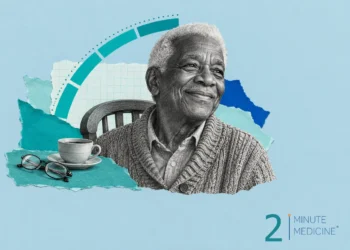
Older adult health collage: a smiling older man in a cardigan beside a wooden chair, folded reading glasses and a cup of tea
Psychiatry

Several nutrients may be associated with improved cognitive function later in life

December 12, 2023
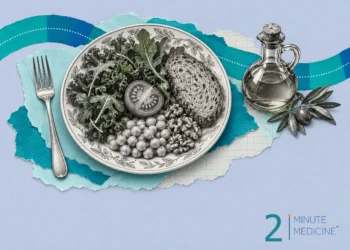
Diet and nutrition collage: a plate of greens, tomato, chickpeas, walnuts and whole-grain bread with a fork and olive oil
Wellness

Wellness Check: Nutrition

December 7, 2023
Older adult health collage: a smiling older man in a cardigan beside a wooden chair, folded reading glasses and a cup of tea
Wellness

Spirituality, among many other factors, may help promote healthy ageing

March 27, 2023
Next Post
Non-small cell lung cancer collage: a middle-aged woman, an engraved pair of lungs, a bronchoscope and a radon test kit

Patient Basics: Non-Small Cell Lung Cancer

Acute lymphocytic leukemia collage: marrow inside a long bone, round blood cells, a toy bear and a child's knit cap

Patient Basics: Acute Lymphocytic Leukemia (ALL) in Children

Non-Hodgkin lymphoma collage: a chain of lymph nodes, a single lymphocyte cell, a blank notebook and a calm man

Patient Basics: Non-Hodgkin Lymphoma

✦ EvidencePulse™ by 2 Minute Medicine 3 reports You asked top stroke trials 2026 Synthesizing medical evidence... Top 2026 stroke trial results: OCEANIC — ischemic stroke: 6.2% vs 8.4% OPTION* — mRS 0–1: 43.6% vs 34.2% ORIENTAL* — mRS 0–2: 58.6% vs 46.6% *Higher sICH in intervention arms Participants randomizedN OCEANIC 12,327 OPTION 570 ORIENTAL 564 Ask about guidelines or landmark trials... Try EvidencePulse™ Get the signal. Try it now → Physician-trained medical AI by 2 Minute Medicine

2MM+ All Access

Full details →
$4.99 /month

3-day free trial · cancel anytime

  • ✓100+ physician-written reports
  • ✓EvidencePulse™ + HypeCheck™
  • ✓Ad-free reading + newsletters
Start 3-day free trial

Then $4.99/month. Manage renewal in your account.

NPI Lookup · Free

Look up any US clinician

Search by name or NPI number, live from the CMS NPI Registry.

  • OIG exclusion check
  • Licenses and specialties
  • No account needed
Open NPI Lookup →

2 Minute Medicine® is an award winning, physician-run, expert medical media company. Our content is curated, written and edited by practicing health professionals who have clinical and scientific expertise in their field of reporting. Our editorial management team is comprised of highly-trained MD physicians. Join numerous brands, companies, and hospitals who trust our licensed content.

Recent Reports

  • Non-inpatient care settings may offer alternatives to inpatient beds for select patients
  • Pirtobrutinib improves progression-free survival versus bendamustine plus rituximab in previously untreated CLL/SLL
  • Angiography-derived vessel fractional flow reserve (vFFR) was noninferior to pressure wire–based fractional flow reserve (FFR) for guiding revascularization in intermediate coronary stenoses
License Content
Terms of Use | Disclaimer
Cookie Policy

Get the app

Read 2 Minute Medicine on iPhone, iPad and Android.

Download on the App StoreGet it on Google Play
QR code for www.2minutemedicine.com/app
On a computer? Scan this with your phone’s camera.
2MM+ All Access Full details →

The medical literature, distilled daily.

Monthly plan selected: $4.99 /month.

$4.99/month

3-day free trial · cancel anytime

Start 3-day free trial

Then $4.99/month. Manage renewal in your account.

Yearly plan selected: $49.90 /year.

$49.90/year

2 months free

Start 3-day free trial

Then $49.90/year.

Membership benefits

  • ✓100+ physician-written reports
  • ✓AI EvidencePulse™ + HypeCheck™
  • ✓Ad-free reading + newsletters
  • ✓FDA drug approvals + clinical calculators

Already a member? Sign in

  • Get the app
  • About
  • Specialties
    • All Specialties, All Recent Reports
    • Cardiology
    • Chronic Disease
    • Dermatology
    • Emergency
    • Endocrinology
    • Gastroenterology
    • Imaging and Intervention
    • Infectious Disease
    • Nephrology
    • Neurology
    • Obstetrics
    • Oncology
    • Ophthalmology
    • Pediatrics
    • Pharma
    • Preclinical
    • Psychiatry
    • Public Health
    • Pulmonology
    • Rheumatology
    • Surgery
    • Rewinds
    • The Scan
  • EvidencePulse™
  • HypeCheck™
  • AI News
  • Classics™
    • 2MM+ Online Access
    • Paperback and Ebook
  • Tools
    • NPI Registry Lookup
    • RVU Search
    • Physician Pay by Specialty
    • ICD-10 Code Lookup
    • FDA Drug Approvals
    • Drug Safety for Breastfeeding/Pregnancy
    • Clinical Guidelines
    • Medical Calculators
    • ECG Reference
      • QTc Calculator
      • Sgarbossa Criteria
      • ECG Axis Calculator
      • AV Block Helper
  • Rankings
    • Medical School Rankings
    • Residency Rankings
  • Partners
    • License Content
    • Advertise with Us
No Result
View All Result

© 2026 2 Minute Medicine, Inc. - Physician-written medical news.