

Patient Basics: Pleurisy and Pleural Effusion
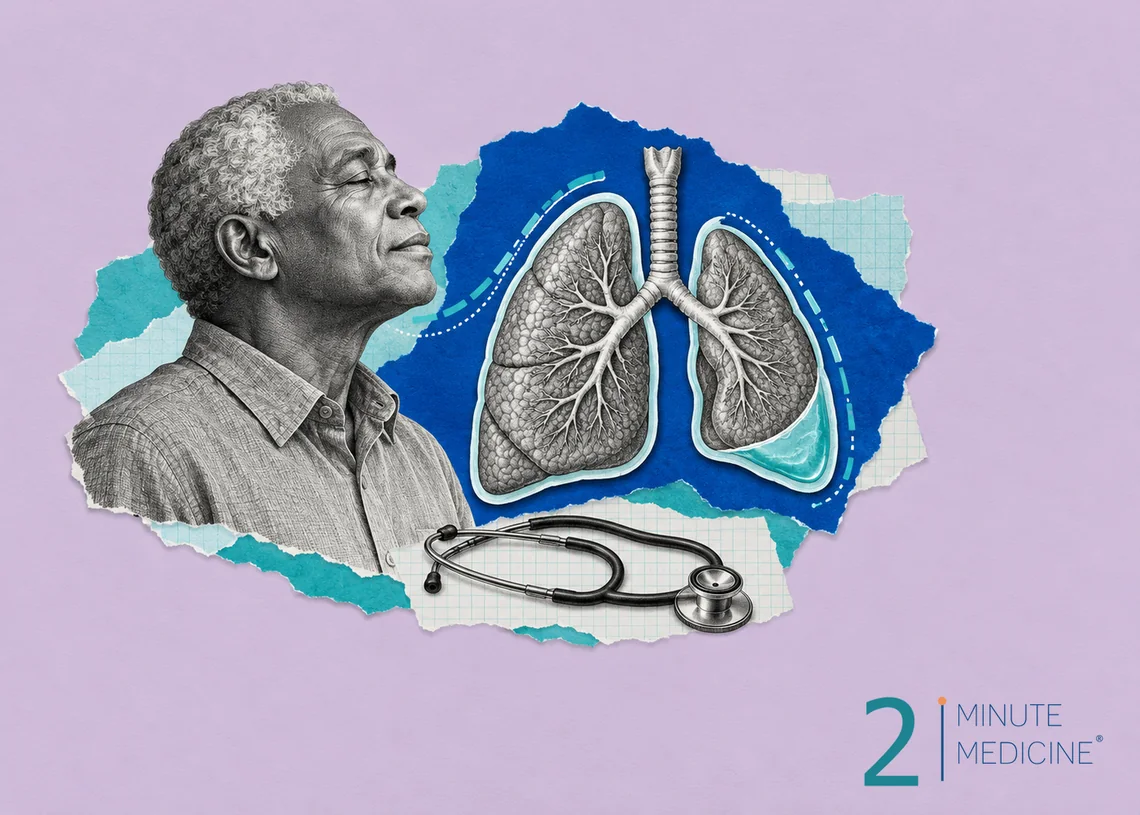
Pleurisy is inflammation of the pleura, the thin, two-layered lining that wraps the lungs, and it causes sharp chest pain when you breathe in. A pleural effusion is a buildup of extra fluid between the two layers, which can make you short of breath. Both are signs of another problem, such as an infection, heart failure or a blood clot, so finding the cause is the key to treatment.
Key points
- Pleurisy causes a sharp, stabbing chest pain that gets worse when you breathe deeply, cough or sneeze.
- Viral infections are a common cause of pleurisy. Heart failure, pneumonia and cancer are common causes of pleural effusion.
- A chest X-ray or ultrasound shows fluid. A sample of the fluid, taken with a needle, often shows the cause.
- Treatment aims at the cause. Large effusions can be drained to ease breathing.
- Call 911 for sudden chest pain, severe shortness of breath or coughing up blood.
How the pleura works
One layer of the pleura covers the lungs. The other coats the chest wall from within. Between them is a thin film of fluid that lets the layers glide smoothly as you breathe. When the layers are inflamed, they rub against each other and cause pain. When fluid builds up between them, it takes up space and squeezes the lung, making it harder to take a full breath.
What causes pleurisy and pleural effusion
Pleurisy
- Viral infections, such as the flu
- Pneumonia and other bacterial infections
- A blood clot in the lung (pulmonary embolism)
- Autoimmune diseases, such as lupus and rheumatoid arthritis
- Chest injury, such as a bruised or broken rib
- Tuberculosis
- Some medicines, and inflammation after heart surgery
- Cancer that involves the pleura
Pleural effusion
- Heart failure, the most common cause
- Pneumonia. Sometimes the fluid becomes infected and fills with pus (empyema).
- Cancer, especially lung cancer, breast cancer, lymphoma and mesothelioma
- Pulmonary embolism
- Liver scarring (cirrhosis) and kidney disease, which change fluid balance in the body
- Tuberculosis, autoimmune diseases, recent surgery and some medicines
Symptoms of pleurisy and pleural effusion
Pleurisy may cause:
- Sharp chest pain that gets worse with deep breaths, coughing, sneezing or laughing
- Pain that eases when you hold your breath or press on the sore side
- Pain that spreads to the shoulder or back
- Shallow, quick breathing to avoid the pain
Pleural effusion may cause:
- Shortness of breath, especially when active or lying flat
- A dry cough
- A heavy or tight feeling in the chest
A small effusion may cause no symptoms and be found on an X-ray done for another reason. Fever, chills and cough can point to an infection. Swollen legs can point to heart failure.
How it’s diagnosed
Expect questions about your symptoms and past health. Then your doctor listens to your chest with a stethoscope. Inflamed pleura can make a scratchy rubbing sound. Fluid can make breath sounds quieter on one side.
Tests may include:
- Chest X-ray, which shows fluid and signs of pneumonia
- Ultrasound of the chest, which finds even small amounts of fluid and guides drainage
- CT scan for a closer look at the lungs and pleura, or to check for a blood clot
- Blood tests and an electrocardiogram (ECG), to look for infection, heart problems, clots and autoimmune disease
- Thoracentesis. After numbing the skin, a doctor passes a thin needle between the ribs to draw out fluid. The lab tests it for infection, cancer cells and other clues. Draining fluid this way also helps you breathe.
If the cause is still unclear, a small sample of the pleura may be taken (pleural biopsy), sometimes with a thin camera through a small cut in the chest (thoracoscopy).
Treatment
Treating the cause
- Antibiotics for bacterial pneumonia
- Blood thinners for a blood clot
- Water pills (diuretics) and other heart medicines for heart failure
- Medicines that calm the immune system for lupus or rheumatoid arthritis
- Cancer treatment for effusions caused by cancer
Pleurisy from a virus usually gets better on its own within a week or two.
Easing pain
Anti-inflammatory pain relievers such as ibuprofen or naproxen often help pleurisy pain. Ask your doctor first if you have kidney disease, stomach ulcers or heart failure, or take blood thinners. Holding a pillow against your chest when you cough can make it less painful. Lying on the painful side may also help. Try to take a few slow, deep breaths every hour to help keep the lungs clear, even if it’s uncomfortable.
Removing fluid
- Needle drainage (thoracentesis) can remove fluid and ease breathing quickly.
- A chest tube is placed between the ribs to drain larger, infected or thick collections. Medicines may be put through the tube to break up thick fluid.
- Surgery, usually through small cuts with a camera, may be needed to clean out an infection that won’t drain.
- For fluid that keeps coming back, often from cancer, a doctor may place a thin tube that stays in, so you can drain fluid at home. Another option is pleurodesis, which uses a medicine to seal the two layers together so fluid can’t collect.
Recovery and how long pleurisy lasts
How long recovery takes depends on the cause. Pleurisy from a virus often clears within days, though some soreness can linger for a few weeks. An effusion from heart failure can shrink with medicine. Infected fluid may take weeks to clear, and a follow-up X-ray is usually done to make sure it’s gone. If you smoke, quitting helps your lungs heal.
When to see a doctor
- Chest pain that gets worse when you breathe
- Shortness of breath that is new or getting worse
- Cough with fever or chills
- Symptoms that come back after treatment
Call 911 if you have
- Sudden or severe chest pain, or chest pain with sweating, nausea or pain in the arm or jaw
- Severe shortness of breath, or lips or face turning blue
- Coughing up blood
- Chest pain with a fast heartbeat, fainting or a swollen, painful leg
Common questions about pleurisy
Can pleurisy pain come and go?
Yes. The pain usually strikes with each deep breath, cough or twist and eases when you breathe shallowly or hold still, so it can seem to come and go. It may also flare and settle over several days as the lining heals. Pain that keeps coming back over weeks needs a doctor’s check.
Can pleurisy last for months?
Pleurisy from a virus usually clears within a week or two. Pain that lasts more than a few weeks, or keeps returning (recurrent pleurisy), suggests an ongoing cause. Your doctor may check for lupus, rheumatoid arthritis, tuberculosis or fluid that hasn’t cleared.
Is pleural effusion the same as pleurisy?
No, though they often happen together. Pleurisy is inflammation of the lining, which causes sharp pain. A pleural effusion is fluid between the layers, which causes shortness of breath. When fluid builds up during pleurisy, the pain can ease because the layers stop rubbing, while breathing gets harder.
How can I tell pleurisy from a blood clot in the lung?
You can’t tell at home. A blood clot in the lung (pulmonary embolism) also causes sharp pain with breathing, but it is more likely with sudden shortness of breath, a fast heartbeat, a swollen leg, recent surgery or long travel. Sharp chest pain with any of these needs emergency care.
Questions to ask your doctor
- What is causing my pleurisy or fluid?
- Do I need the fluid drained?
- What did the fluid test show?
- Which pain relievers are safe for me?
- Could this come back, and what should I watch for?
Learn more
- Pleural disorders (National Heart, Lung, and Blood Institute)
- Pleural effusion (MedlinePlus, U.S. National Library of Medicine)
This guide is general information and doesn’t replace advice from your own doctor. Last updated October 2026.






 Get the app