

• About
  • Masthead
  • License Content
  • Advertise
  • RSS/Email List
  • 2MM Podcast
  • Write for us
  • Contact Us
2 Minute Medicine
No Result
View All Result

No products in the cart.

Sign in
SUBSCRIBE
  • About
  • Specialties
    • All Specialties, All Recent Reports
    • Cardiology
    • Chronic Disease
    • Dermatology
    • Emergency
    • Endocrinology
    • Gastroenterology
    • Imaging and Intervention
    • Infectious Disease
    • Nephrology
    • Neurology
    • Obstetrics
    • Oncology
    • Ophthalmology
    • Pediatrics
    • Pharma
    • Preclinical
    • Psychiatry
    • Public Health
    • Pulmonology
    • Rheumatology
    • Surgery
  • Tools+
    • EvidencePulse™
    • HypeCheck™
    • NPI Registry Lookup
    • RVU Search
  • Pharma
  • AI Roundup
  • The Scan+
  • Classics™+
    • 2MM+ Online Access
    • Paperback and Ebook
  • Rewinds
  • Partners
    • License Content
    • Advertise with Us
2 Minute Medicine
  • About
  • Specialties
    • All Specialties, All Recent Reports
    • Cardiology
    • Chronic Disease
    • Dermatology
    • Emergency
    • Endocrinology
    • Gastroenterology
    • Imaging and Intervention
    • Infectious Disease
    • Nephrology
    • Neurology
    • Obstetrics
    • Oncology
    • Ophthalmology
    • Pediatrics
    • Pharma
    • Preclinical
    • Psychiatry
    • Public Health
    • Pulmonology
    • Rheumatology
    • Surgery
  • Tools+
    • EvidencePulse™
    • HypeCheck™
    • NPI Registry Lookup
    • RVU Search
  • Pharma
  • AI Roundup
  • The Scan+
  • Classics™+
    • 2MM+ Online Access
    • Paperback and Ebook
  • Rewinds
  • Partners
    • License Content
    • Advertise with Us
Sign in
SUBSCRIBE
2 Minute Medicine
Sign in
Subscribe
✦ EvidencePulse™ by 2 Minute Medicine 2026 evidence scan 3 reports You asked top stroke trials 2026 Synthesizing medical evidence... Top 2026 stroke trial results: OCEANIC — ischemic stroke: 6.2% vs 8.4% OPTION* — mRS 0–1: 43.6% vs 34.2% ORIENTAL* — mRS 0–2: 58.6% vs 46.6% *Higher sICH in intervention arms Participants randomizedN OCEANIC 12,327 OPTION 570 ORIENTAL 564 Ask about guidelines or landmark trials... ↑ Try EvidencePulse™ Ask the evidence.
Get the signal.
Try it now → Physician-trained medical AI by 2 Minute Medicine
Home All Specialties Cardiology

Bionic pancreas reduces glycated hemoglobin levels compared to semi-automated insulin-delivery systems
byGrace YinandKiera Liblik
October 3, 2022
in Cardiology, Chronic Disease, Endocrinology, Gastroenterology
Reading Time: 3 mins read
Rectal indomethacin dose escalation for prevention of pancreatitis after endoscopic retrograde cholangiopancreatography in high-risk patients
Share on FacebookShare on TwitterShare on LinkedIn

1. Amongst patients with type 1 diabetes (T1D), a bionic pancreas caused a reduction in glycated hemoglobin levels over a 13-week period.

2. In comparison to the bionic pancreas group, semi-automated insulin delivery systems did not change glycated hemoglobin levels amongst patients with T1D.

Evidence Rating Level: 1 (Excellent)

Study Rundown: T1D is an autoimmune disease that results in the destruction of insulin-producing cells in the pancreas, leading to persistently high levels of sugar in the blood and an inability of body tissues to use them. If uncontrolled, T1D can cause significant damage to arteries and nerves, even posing a risk of death. As such, maintaining good control of blood sugars is a key priority for persons with T1D. Towards this end, partially automated insulin-delivery systems have grown in popularity over the past decade. These typically describe methods of regulating blood sugars through continuous monitoring of blood glucose levels in combination with calculations of basal rates, carbohydrate intakes, and additional metrics involved in initiation. A newer system of insulin delivery, the iLet bionic pancreas, is a fully automated means of insulin delivery that bypasses several elements of the partially automated insulin delivery systems. The current study was a randomized trial comparing semi-automated insulin delivery systems against the iLet bionic pancreas amongst adults and children with T1D. The primary goal was to investigate the difference in change in glycated hemoglobin levels within the blood after 13 weeks of use. At the last follow-up, the bionic pancreas was able to reduce glycated hemoglobin levels amongst its users without causing significantly different rates of hypoglycemic episodes. In comparison, semi-automated insulin delivery systems did not result in a significant reduction in glycated hemoglobin levels. Further studies with longer follow-up and detailed assessments of whether the bionic pancreas can reduce the risk of hypoglycemia, hyperglycemia, and ketosis will be helpful in better understanding its potential for widespread use.

Click to read the study in NEJM

In-Depth [randomized controlled trial]: The current study was a parallel group, unblinded, multicenter, randomized trial comparing the iLet bionic pancreas against semi-automated insulin delivery systems amongst persons aged 6-79 years old with T1D. Standard care was determined to be any method of insulin delivery that utilized unblinded continuous glucose monitoring tools. Participants (n=219) were randomly assigned to the iLet bionic pancreas group or the standard care group in a 2:1 ratio. The primary endpoint was a change in glycated hemoglobin levels at 13 weeks of follow-up. Secondary endpoints included percentage of time glucose levels were in pre-determined ranges (i.e., <54mg/dL, <70mg/dL, 70-180mg/dL, >180mg/dL, and >250mg/dL), and safety outcomes such as diabetic ketoacidosis, and episodes of severe hypoglycemia. At 13 weeks, the bionic pancreas reduced glycated hemoglobin levels in comparison to standard care (-0.5 percentage points; 95% Confidence Interval [CI], -0.6 to -0.3). The bionic pancreas group and standard care group did not show significant differences in the percentage of time that glucose was below 54mg/dL as measured through real-time continuous glucose monitoring (0.0 percentage points; 95% CI, -0.1 to 0.0). Notably, the bionic pancreas group reported 214 episodes of hyperglycemia (primarily due to infusion-set failure) compared to two in the standard-care group. However, neither group reported any episodes of diabetic ketoacidosis. Although further investigations into the safety profile of the bionic pancreas in comparison to standard care are needed, this study provided evidence of the potential of the bionic pancreas to enhance glucose control amongst persons with T1D.

RELATED REPORTS

Male sex is associated with higher mortality among patients with hepatocellular carcinoma

Chronic exposure to particulate matter is associated with increased cardiovascular risk

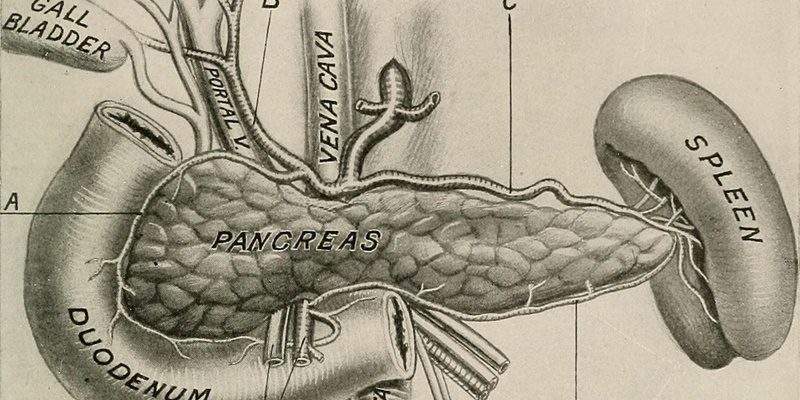
Image: PD

©2022 2 Minute Medicine, Inc. All rights reserved. No works may be reproduced without expressed written consent from 2 Minute Medicine, Inc. Inquire about licensing here. No article should be construed as medical advice and is not intended as such by the authors or by 2 Minute Medicine, Inc.

Tags: bionic pancreascardiologychronic diseasediabetesendocrinologyGastroenterologyglycated hemoglobin levelsinsulinsemi-automated insulin-delivery systemstype 1 diabetes
Previous Post

Differences in cancer implications for clinical care among CHEK2 variants

Next Post

Acetazolamide increases rate of successful decongestion in patients with acute decompensated heart failure

RelatedReports

A liver illustration with spilled sugar cubes and two drink cups, highlighting the link between sugary drinks and liver health.
Chronic Disease

Male sex is associated with higher mortality among patients with hepatocellular carcinoma

October 7, 2026
A senior woman looks thoughtfully at a balance scale with a stethoscope and a heart illustration, symbolizing the assessment of cardiovascular risk and treatment decisions.
Cardiology

Chronic exposure to particulate matter is associated with increased cardiovascular risk

September 10, 2026
A glucose meter, a droplet of liquid, and abstract representations of data and research materials, symbolizing diabetes management and detection methods.
Endocrinology

Deep-learning model achieved high diagnostic performance for diabetic macular edema detection using optical coherence tomography (OCT) scans

September 10, 2026
Adalimumab aids in control of noninfectious uveitis
Chronic Disease

Cataract surgery is associated with increased incidence of diabetic retinopathy among patients with diabetes

September 8, 2026
Next Post
Remote patient monitoring did not reduce heart failure readmissions: The BEAT-HF trial

Acetazolamide increases rate of successful decongestion in patients with acute decompensated heart failure

Patient-reported outcome measures in cardiovascular disease have limited validation of psychometric properties

Age of diagnosis of diabetes may be associated with different long term outcomes

✦ EvidencePulse™ by 2 Minute Medicine 2026 evidence scan 3 reports You asked top stroke trials 2026 Synthesizing medical evidence... Top 2026 stroke trial results: OCEANIC — ischemic stroke: 6.2% vs 8.4% OPTION* — mRS 0–1: 43.6% vs 34.2% ORIENTAL* — mRS 0–2: 58.6% vs 46.6% *Higher sICH in intervention arms Participants randomizedN OCEANIC 12,327 OPTION 570 ORIENTAL 564 Ask about guidelines or landmark trials... Try EvidencePulse™ Get the signal. Try it now → Physician-trained medical AI by 2 Minute Medicine

2MM+ All Access

Full details →
$4.99 /month

3-day free trial · cancel anytime

  • ✓100+ physician-written reports
  • ✓EvidencePulse™ + HypeCheck™
  • ✓Ad-free reading + newsletters
Start 3-day free trial

Then $4.99/month. Manage renewal in your account.

NPI Lookup · Free

Look up any US clinician

Search by name or NPI number, live from the CMS NPI Registry.

  • OIG exclusion check
  • Licenses and specialties
  • No account needed
Open NPI Lookup →

2 Minute Medicine® is an award winning, physician-run, expert medical media company. Our content is curated, written and edited by practicing health professionals who have clinical and scientific expertise in their field of reporting. Our editorial management team is comprised of highly-trained MD physicians. Join numerous brands, companies, and hospitals who trust our licensed content.

Recent Reports

  • 2 Minute Medicine Rewind October 19, 2026
  • Deep learning model demonstrates potential to generate an interpretable brain health biomarker from sleep electroencephalography
  • Low-pressure pneumoperitoneum does not reduce pain after laporoscopic cholecystectomy
License Content
Terms of Use | Disclaimer
Cookie Policy
2MM+ All Access Full details →

The medical literature, distilled daily.

Monthly plan selected: $4.99 /month.

$4.99/month

3-day free trial · cancel anytime

Start 3-day free trial

Then $4.99/month. Manage renewal in your account.

Yearly plan selected: $49.90 /year.

$49.90/year

2 months free

Start 3-day free trial

Then $49.90/year.

Membership benefits

  • ✓100+ physician-written reports
  • ✓AI EvidencePulse™ + HypeCheck™
  • ✓Ad-free reading + newsletters
  • ✓NPI watchlist + bulk NPI verification

Already a member? Sign in

  • About
  • Specialties
    • All Specialties, All Recent Reports
    • Cardiology
    • Chronic Disease
    • Dermatology
    • Emergency
    • Endocrinology
    • Gastroenterology
    • Imaging and Intervention
    • Infectious Disease
    • Nephrology
    • Neurology
    • Obstetrics
    • Oncology
    • Ophthalmology
    • Pediatrics
    • Pharma
    • Preclinical
    • Psychiatry
    • Public Health
    • Pulmonology
    • Rheumatology
    • Surgery
  • Tools
    • EvidencePulse™
    • HypeCheck™
    • NPI Registry Lookup
    • RVU Search
  • Pharma
  • AI Roundup
  • The Scan
  • Classics™
    • 2MM+ Online Access
    • Paperback and Ebook
  • Rewinds
  • Partners
    • License Content
    • Advertise with Us
No Result
View All Result

© 2026 2 Minute Medicine, Inc. - Physician-written medical news.