• About
  • Masthead
  • License Content
  • Advertise
  • Submit Press Release
  • RSS/Email List
  • 2MM Podcast
  • Write for us
  • Contact Us
2 Minute Medicine
No Result
View All Result

No products in the cart.

SUBSCRIBE
  • About
  • Specialties
    • All Specialties, All Recent Reports
    • Cardiology
    • Chronic Disease
    • Dermatology
    • Emergency
    • Endocrinology
    • Gastroenterology
    • Imaging and Intervention
    • Infectious Disease
    • Nephrology
    • Neurology
    • Obstetrics
    • Oncology
    • Ophthalmology
    • Pediatrics
    • Pharma
    • Preclinical
    • Psychiatry
    • Public Health
    • Pulmonology
    • Rheumatology
    • Surgery
  • Tools+
    • EvidencePulse™
    • HypeCheck™
    • NPI Registry Lookup
    • RVU Search
  • Pharma
  • AI Roundup
  • The Scan+
  • Classics™+
    • 2MM+ Online Access
    • Paperback and Ebook
  • Rewinds
  • Partners
    • License Content
    • Submit Press Release
    • Advertise with Us
  • Account
    • Subscribe
    • My account
    • Cart
    • Sign-in
2 Minute Medicine
  • About
  • Specialties
    • All Specialties, All Recent Reports
    • Cardiology
    • Chronic Disease
    • Dermatology
    • Emergency
    • Endocrinology
    • Gastroenterology
    • Imaging and Intervention
    • Infectious Disease
    • Nephrology
    • Neurology
    • Obstetrics
    • Oncology
    • Ophthalmology
    • Pediatrics
    • Pharma
    • Preclinical
    • Psychiatry
    • Public Health
    • Pulmonology
    • Rheumatology
    • Surgery
  • Tools+
    • EvidencePulse™
    • HypeCheck™
    • NPI Registry Lookup
    • RVU Search
  • Pharma
  • AI Roundup
  • The Scan+
  • Classics™+
    • 2MM+ Online Access
    • Paperback and Ebook
  • Rewinds
  • Partners
    • License Content
    • Submit Press Release
    • Advertise with Us
  • Account
    • Subscribe
    • My account
    • Cart
    • Sign-in
SUBSCRIBE
2 Minute Medicine
Subscribe
Home All Specialties Cardiology

Glargine and liraglutide are effective glucose-lowering medications in type 2 diabetes
byDavid XiangandKiera Liblik
September 26, 2022
in Cardiology, Chronic Disease, Endocrinology
Reading Time: 2 mins read
Insulin costs rose exponentially, regardless of formulation or patent
Share on FacebookShare on Twitter

1. Compared to sitagliptin and glimepiride, glargine and liraglutide were more effective in achieving target glycated hemoglobin levels in patients with type 2 diabetes.

2. All four medications, when used adjunctive to metformin, significantly decreased glycated hemoglobin levels.

Evidence Rating Level: 1 (Excellent)

Study Rundown: Type 2 diabetes affects more than 30 million adults in the United States and more than 500 million adults worldwide. Most recommendations for the management of glycemia in persons with type 2 diabetes include metformin as the first-line medication to be used, with a second medication added when needed to achieve the glycated hemoglobin level of less than 7%. However, there is a gap in knowledge as to the comparison between the various choices for adjunctive glucose-lowering medications. These include insulin, sulfonylureas, glucagon-like peptide-1 agonists, and dipeptidyl-peptidase 4 inhibitors. Overall, this study found that all four medications (glargine, glimepiride, liraglutide, and sitagliptin) improved glycated hemoglobin levels when added to metformin, though glargine and liraglutide were more effective in achieving and maintaining target glycated hemoglobin levels. This study was limited by factors such as the exclusion of thiazolidinediones and sodium-glucose cotransporter-2 inhibitors, the trial being unblinded, and medication adjustments being made faster than adjustments would typically be made in the clinical setting. Nevertheless, these study’s findings are significant, as they demonstrate that glargine, glimepiride, liraglutide, and sitagliptin all improve glycated hemoglobin levels when added to metformin, though glargine and liraglutide provide the most significant benefit.

Click to read the study in NEJM

Relevant Reading: Once-Weekly Dulaglutide for the Treatment of Youths with Type 2 Diabetes

RELATED REPORTS

The mortality in-hospital for patients undergoing elective catheter ablation for atrial fibrillation is low

A healthy lifestyle may reduce risk of infection in patients with type 2 diabetes

A medical care at home program following hospitalization with acute decompensated heart failure may offer a safe and effective alternative to continued hospitalization

In-Depth [randomized controlled trial]: This multicenter, parallel-group, comparative-effectiveness clinical trial was conducted across 36 clinical centers. Patients who had type 2 diabetes that had been diagnosed at or after the age of 30 years, and had known diabetes for less than 10 years were eligible for the study. Patients who had a glycated hemoglobin level of over 8.5% or under 6.8% were excluded from the study. The primary outcome measured was a glycated hemoglobin level, measured quarterly, of 7.0% or higher that was subsequently confirmed. The secondary metabolic outcome was a confirmed glycated hemoglobin level greater than 7.5%. Outcomes in the primary analysis were assessed via the intention-to-treat principle and Kaplan-Meier plots and Cox proportional-hazards models to assess differences among the treatment groups. Based on the primary analysis, the cumulative incidence of a glycated hemoglobin level of 7.0% or higher differed significantly among the four groups (p<0.001 among all four groups). The rates with glargine (26.5 per 100 participant-years) and liraglutide (26.1 per 100 participant-years) were similar and lower than those with glimepiride (30.4 per 100 participant-years) and sitagliptin (38.1 per 100 participant-years). Among participants with higher baseline glycated hemoglobin levels, there appeared to be an even greater benefit with glargine, liraglutide, and glimepiride than with sitagliptin. Overall, this study demonstrates that all four medications, when added to metformin, significantly decreased glycated hemoglobin levels. Though glargine and liraglutide were significantly more effective in achieving and maintaining target glycated hemoglobin levels.

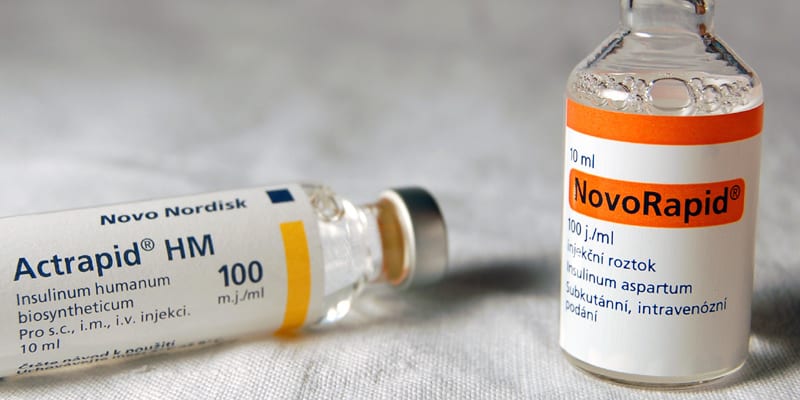
Image: PD

©2022 2 Minute Medicine, Inc. All rights reserved. No works may be reproduced without expressed written consent from 2 Minute Medicine, Inc. Inquire about licensing here. No article should be construed as medical advice and is not intended as such by the authors or by 2 Minute Medicine, Inc.

Tags: cardiologychronic diseasediabetesdiabetes mellitusendocrinologyglargineglimepirideglycemic controlglycemic indexliraglutidemetforminsitagliptintype 2 diabetes
Previous Post

Selpercatinib showed promising clinical activity in tumour-agnostic patients with RET­ fusion-positive cancers other than thyroid and lung cancer

Next Post

More permissive parameters for active surveillance eligibility is potentially possible in slow-growing thyroid cancers

RelatedReports

Rivaroxaban likely reduces risk of recurrent stroke in specific subgroup of patients with embolic stroke of undetermined source
Cardiology

The mortality in-hospital for patients undergoing elective catheter ablation for atrial fibrillation is low

September 4, 2026
Reduced gestational weight gain with lifestyle intervention
Chronic Disease

A healthy lifestyle may reduce risk of infection in patients with type 2 diabetes

September 2, 2026
Remote patient monitoring did not reduce heart failure readmissions: The BEAT-HF trial
Cardiology

A medical care at home program following hospitalization with acute decompensated heart failure may offer a safe and effective alternative to continued hospitalization

July 24, 2026
Rivaroxaban likely reduces risk of recurrent stroke in specific subgroup of patients with embolic stroke of undetermined source
Cardiology

Catheter ablation within 1 year of atrial fibrillation diagnosis is associated with reduced risk of recurrence

July 24, 2026
Next Post

More permissive parameters for active surveillance eligibility is potentially possible in slow-growing thyroid cancers

Unpaid caregivers of older adults experience emotional, physical, and financial difficulty

Increased pre-chemotherapy inflammatory biomarkers (IL-6 and CRP) correlated to increased risk of frailty post-chemotherapy in older breast cancer patients

Remote patient monitoring did not reduce heart failure readmissions: The BEAT-HF trial

Dapagliflozin slows disease progression in patients with heart failure with preserved ejection fraction

EvidencePulse™ by 2 Minute Medicine 2026 evidence scan 3 reports You asked top stroke trials 2026 Synthesizing medical evidence... Top 2026 stroke trial results: OCEANIC — ischemic stroke: 6.2% vs 8.4% OPTION* — mRS 0–1: 43.6% vs 34.2% ORIENTAL* — mRS 0–2: 58.6% vs 46.6% *Higher sICH in intervention arms Participants randomizedN OCEANIC 12,327 OPTION 570 ORIENTAL 564 Ask about guidelines or landmark trials... ↑ Try EvidencePulse™ Ask the evidence.
Get the signal.
Try it now → Physician-trained medical AI by 2 Minute Medicine

2MM+ All Access

Full details →
$4.99 /month

5-day free trial · cancel anytime

  • ✓100+ physician-written reports
  • ✓EvidencePulse™ + HypeCheck™
  • ✓Ad-free reading + newsletters
Start 5-day free trial

Then $4.99/month. Manage renewal in your account.

2 Minute Medicine® is an award winning, physician-run, expert medical media company. Our content is curated, written and edited by practicing health professionals who have clinical and scientific expertise in their field of reporting. Our editorial management team is comprised of highly-trained MD physicians. Join numerous brands, companies, and hospitals who trust our licensed content.

Recent Reports

  • Earlier Genetic Testing Predicts Bilateral Mastectomy in Young BRCA Carriers
  • Uterine-Sparing Mesh Repair Outperforms Hysterectomy for Prolapse
  • Daraxonrasib showed antitumor activity in previously treated RAS-mutant non–small-cell lung cancer
License Content
Terms of Use | Disclaimer
Cookie Policy
Cleantalk Pixel
  • About
  • Specialties
    • All Specialties, All Recent Reports
    • Cardiology
    • Chronic Disease
    • Dermatology
    • Emergency
    • Endocrinology
    • Gastroenterology
    • Imaging and Intervention
    • Infectious Disease
    • Nephrology
    • Neurology
    • Obstetrics
    • Oncology
    • Ophthalmology
    • Pediatrics
    • Pharma
    • Preclinical
    • Psychiatry
    • Public Health
    • Pulmonology
    • Rheumatology
    • Surgery
  • Tools
    • EvidencePulse™
    • HypeCheck™
    • NPI Registry Lookup
    • RVU Search
  • Pharma
  • AI Roundup
  • The Scan
  • Classics™
    • 2MM+ Online Access
    • Paperback and Ebook
  • Rewinds
  • Partners
    • License Content
    • Submit Press Release
    • Advertise with Us
  • Account
    • Subscribe
    • My account
    • Cart
    • Sign-in
No Result
View All Result

© 2026 2 Minute Medicine, Inc. - Physician-written medical news.

2MM+ All Access Full details →

The medical literature, distilled daily.

Monthly plan selected: $4.99 /month.

$4.99/month

5-day free trial · cancel anytime

Start 5-day free trial

Then $4.99/month. Manage renewal in your account.

Yearly plan selected: $49.90 /year.

$49.90/year

2 months free · only $4.16/month

Start 5-day free trial

Then $49.90/year. Manage renewal in your account.

Membership benefits

  • ✓100+ physician-written reports
  • ✓AI EvidencePulse™ + HypeCheck™
  • ✓Ad-free reading + newsletters

Already a member? Sign in