

Patient Basics: Ulcerative Colitis
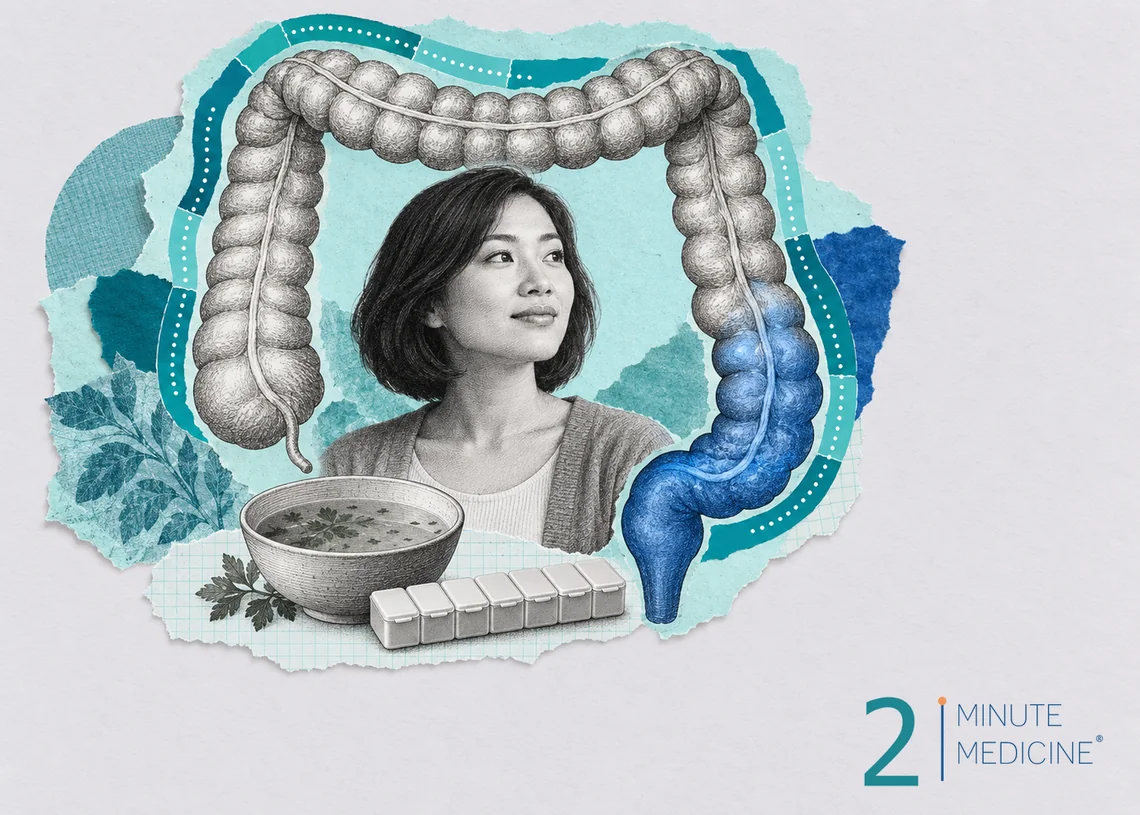
Ulcerative colitis (UC) is a long-term disease that causes inflammation and sores (ulcers) in the inner lining of the large intestine (colon) and rectum. It is one of the two main types of inflammatory bowel disease (IBD), along with Crohn’s disease. The main symptom is diarrhea with blood or mucus. UC tends to flare up and calm down, and today’s medicines keep most people in long periods of remission.
Key points
- UC always starts in the rectum and can spread up through part or all of the colon in one continuous stretch.
- It usually begins between ages 15 and 30, though it can start at any age.
- A colonoscopy with small tissue samples (biopsies) confirms the diagnosis.
- Treatment includes mesalamine, steroids for flares, biologic drugs and newer pills. Some people need surgery.
- Severe belly pain and swelling with fever during a flare can mean toxic megacolon, an emergency.
- Regular colonoscopies are needed after about 8 years of UC to check for colon cancer.
What causes ulcerative colitis
The exact cause is unknown. In UC, the immune system overreacts to normal bacteria in the colon and keeps the lining inflamed. Genes play a part, and having a parent, brother or sister with IBD raises your risk. Changes in gut bacteria and things in the environment probably add to it. UC is more common in people who used to smoke. Stress and certain foods don’t cause UC, but they can make symptoms worse.
Types of ulcerative colitis
- Ulcerative proctitis. Only the rectum is inflamed. Bleeding may be the only sign.
- Left-sided colitis. Inflammation runs from the rectum up the left side of the colon.
- Extensive colitis (pancolitis). Most or all of the colon is inflamed. Symptoms are often more severe.
Ulcerative colitis symptoms
- Diarrhea, often with blood, pus or mucus
- An urgent need to have a bowel movement, sometimes with accidents
- Feeling that you need to go even when the bowel is empty
- Cramping belly pain, often on the lower left side
- Waking at night to pass stool
- Tiredness, often from anemia caused by blood loss
- Weight loss, poor appetite and, in bad flares, fever
UC can also affect other parts of the body. Some people get joint pain or swelling, red and painful eyes, mouth sores, tender red bumps on the shins, or liver and bile duct problems.
How it’s diagnosed
- Blood tests check for anemia, inflammation, dehydration and low protein.
- Stool tests rule out infections, such as C. difficile, that can look like UC. A stool test called calprotectin measures inflammation in the bowel.
- Colonoscopy. A thin, flexible camera is passed through the rectum to look at the whole colon. Biopsies taken during the test confirm UC and rule out other causes. A shorter version (flexible sigmoidoscopy) may be done during a flare.
- CT scan or X-ray may be done during a severe flare to check for complications.
How ulcerative colitis is treated
The goals are to calm a flare, heal the lining of the colon, and keep you in remission. A gastroenterologist chooses treatment based on how much of the colon is involved and how severe it is.
Aminosalicylates (5-ASA)
Mesalamine is the usual first treatment for mild to moderate UC. It comes as pills, suppositories and enemas. Rectal forms work especially well for proctitis and left-sided disease. Balsalazide and sulfasalazine are similar.
Steroids
Prednisone or budesonide calms a flare within days to weeks. Steroids are used only for short periods, because long-term use causes bone loss, weight gain, high blood sugar and other problems.
Biologics and other advanced treatments
- Biologic drugs given by infusion or injection, such as infliximab, adalimumab, golimumab, vedolizumab, ustekinumab, and newer drugs such as mirikizumab, risankizumab and guselkumab
- Pills that calm the immune system, such as tofacitinib and upadacitinib (JAK inhibitors) or ozanimod and etrasimod
- Azathioprine or mercaptopurine, sometimes used with a biologic
These medicines lower the immune response, so your doctor will check for infections such as tuberculosis and hepatitis B first and update your vaccines.
Surgery
Some people need surgery to remove the colon and rectum (proctocolectomy), because medicines don’t work, a flare is severe, or precancerous changes are found. This ends the colitis. The surgeon usually builds a pouch from the end of the small intestine and connects it to the anus (J-pouch), so you still pass stool the usual way. Others choose a permanent opening on the belly (ileostomy) that drains into a bag.
Possible complications
- Toxic megacolon. In a severe flare, the colon can swell, stop moving and risk tearing. Signs are severe belly pain and swelling, fever, a fast heartbeat and fewer bowel movements after many. It needs hospital care right away and sometimes emergency surgery. Opioid pain medicines and anti-diarrhea drugs such as loperamide can raise the risk during a bad flare.
- Severe bleeding and dehydration.
- Colon cancer. The risk rises after 8 to 10 years of UC that involves much of the colon. Regular colonoscopies, often every 1 to 3 years, catch early changes.
- Bone thinning and blood clots, especially during flares and with steroid use
Living with ulcerative colitis
- Keep taking your medicine when you feel well. Stopping is a common reason for flares.
- Use acetaminophen for pain. Ibuprofen, naproxen and aspirin can trigger flares.
- During a flare, smaller meals and lower-fiber foods may be easier to digest. Drink plenty of fluids.
- Ask about iron, vitamin D and calcium.
- Find bathrooms ahead of time when you go out, and carry a change of clothes if that helps you feel secure.
- Talk to someone if UC is affecting your mood. Anxiety and depression are common with IBD, and treatment helps.
When to see a doctor
- Diarrhea with blood or mucus, or diarrhea lasting more than 2 weeks
- A flare that doesn’t settle with your usual treatment
- Signs of infection while you take immune-lowering medicine
Get emergency care for severe belly pain or swelling, fever with a flare, heavy rectal bleeding, dizziness or fainting, or being unable to keep fluids down.
Common questions about ulcerative colitis
Is ulcerative colitis the same as Crohn’s disease?
No, though both are types of inflammatory bowel disease. Ulcerative colitis affects only the colon and rectum, in one continuous area of the inner lining. Crohn’s disease can affect any part of the gut from mouth to anus, often in patches, and can go through the full thickness of the bowel wall.
Can ulcerative colitis be cured?
Medicines can’t cure UC, but they can keep it in remission for years, with few or no symptoms and a healed colon lining. Surgery to remove the colon and rectum does end the disease, since UC affects only those parts. Most people never need surgery and live full, active lives.
What foods should I avoid with ulcerative colitis?
No single diet works for everyone, and food doesn’t cause UC. During flares, many people do better with less fiber, spicy food, fat, alcohol and caffeine. Dairy bothers some people. A food diary helps you find your own triggers. Between flares, aim for a varied diet, and ask about a dietitian.
Questions to ask your doctor
- How much of my colon is affected, and how severe is it?
- Which medicine do you suggest, and how will we know it’s working?
- What should I do at the start of a flare?
- Which vaccines do I need before starting treatment?
- When should I have my next colonoscopy?
Learn more
- Ulcerative colitis (National Institute of Diabetes and Digestive and Kidney Diseases)
- Ulcerative colitis (MedlinePlus, U.S. National Library of Medicine)
This guide is general information and doesn’t replace advice from your own doctor. Last updated October 2026.
RelatedReports







 Get the app