• About
  • Masthead
  • License Content
  • Advertise
  • Submit Press Release
  • RSS/Email List
  • 2MM Podcast
  • Write for us
  • Contact Us
2 Minute Medicine
No Result
View All Result

No products in the cart.

SUBSCRIBE
  • About
  • Specialties
    • All Specialties, All Recent Reports
    • Cardiology
    • Chronic Disease
    • Dermatology
    • Emergency
    • Endocrinology
    • Gastroenterology
    • Imaging and Intervention
    • Infectious Disease
    • Nephrology
    • Neurology
    • Obstetrics
    • Oncology
    • Ophthalmology
    • Pediatrics
    • Pharma
    • Preclinical
    • Psychiatry
    • Public Health
    • Pulmonology
    • Rheumatology
    • Surgery
  • Tools+
    • EvidencePulse™
    • HypeCheck™
    • NPI Registry Lookup
    • RVU Search
  • Pharma
  • AI Roundup
  • The Scan+
  • Classics™+
    • 2MM+ Online Access
    • Paperback and Ebook
  • Rewinds
  • Partners
    • License Content
    • Submit Press Release
    • Advertise with Us
  • Account
    • Subscribe
    • My account
    • Cart
    • Sign-in
2 Minute Medicine
  • About
  • Specialties
    • All Specialties, All Recent Reports
    • Cardiology
    • Chronic Disease
    • Dermatology
    • Emergency
    • Endocrinology
    • Gastroenterology
    • Imaging and Intervention
    • Infectious Disease
    • Nephrology
    • Neurology
    • Obstetrics
    • Oncology
    • Ophthalmology
    • Pediatrics
    • Pharma
    • Preclinical
    • Psychiatry
    • Public Health
    • Pulmonology
    • Rheumatology
    • Surgery
  • Tools+
    • EvidencePulse™
    • HypeCheck™
    • NPI Registry Lookup
    • RVU Search
  • Pharma
  • AI Roundup
  • The Scan+
  • Classics™+
    • 2MM+ Online Access
    • Paperback and Ebook
  • Rewinds
  • Partners
    • License Content
    • Submit Press Release
    • Advertise with Us
  • Account
    • Subscribe
    • My account
    • Cart
    • Sign-in
SUBSCRIBE
2 Minute Medicine
Subscribe
EvidencePulse™ by 2 Minute Medicine 2026 evidence scan 3 reports You asked top stroke trials 2026 Synthesizing medical evidence... Top 2026 stroke trial results: OCEANIC — ischemic stroke: 6.2% vs 8.4% OPTION* — mRS 0–1: 43.6% vs 34.2% ORIENTAL* — mRS 0–2: 58.6% vs 46.6% *Higher sICH in intervention arms Participants randomizedN OCEANIC 12,327 OPTION 570 ORIENTAL 564 Ask about guidelines or landmark trials... ↑ Try EvidencePulse™ Ask the evidence.
Get the signal.
Try it now → Physician-trained medical AI by 2 Minute Medicine
Home All Specialties Cardiology

Heat exposure associated with increased myocardial blood flow
byNhat Hung (Benjamin) LamandKiera Liblik
June 25, 2024
in Cardiology, Chronic Disease, Public Health
Reading Time: 3 mins read
The POET trial: oral antibiotics in stable endocarditis patients noninferior to intravenous treatment
Share on FacebookShare on Twitter

1. In this randomized controlled trial, exposure to heat that increased core temperature by 1.5C in healthy participants was associated with nearly double the myocardial blood flow (MBF).

2. Among those with coronary artery disease (CAD), increases in MBF were associated with asymptomatic myocardial ischemia.

Evidence Rating Level: 1 (Excellent)

Study Rundown: Climate change increases the risk of exposure to extreme temperatures worldwide. Extreme heat, specifically, is linked to a significant risk of hospitalization and mortality, primarily from cardiovascular events. Heat exposure can lead to vasodilation and higher cardiac output, which could result in ischemia in those with pre-existing CAD. Nevertheless, the degree to which heat exposure causes an increase in MBF is not well characterized. This experimental study sought to assess whether exposure increases MBF and impacts participants across age ranges and CAD status. It was demonstrated that heat exposure that resulted in 1.5C was associated with approximately doubled the MBF among participants regardless of age or presence of CAD. In older participants with pre-existing CAD, some were found to have evidence of asymptomatic myocardial ischemia on imaging. These results were limited to a laboratory setting where blood pressure medications and water were held, which may not reflect real-life situations. Nevertheless, they suggested increased MBF and heat-induced myocardial ischemia as a potential pathophysiological pathway in which heat exposure increases the risk of adverse cardiovascular events in at-risk individuals.

Click here to read the study in AIM

In-Depth [randomized controlled trial]: This was an interventional study to investigate the impact of heat exposure on MBF across age ranges and CAD status. Participants between 18 and 40 years of age (for healthy young adults) and 60 and 89 years of age (for healthy older adults) without cardiovascular, respiratory, neurologic, or metabolic diseases were eligible for inclusion in the ‘healthy’ groups. Exclusion criteria for these groups included smoking within one year, diabetes, body mass index above 35 kg/m2, and uncontrolled hypertension or dyslipidemia. Overall, 61 participants (20 healthy young adults (mean age 28 years), 21 healthy older adults (mean age 67 years), and 20 older adults with CAD (mean age 70)) were heated using a water thermal suit until their core temperature reached 1.5oC above baseline. MBF was measured via positron emission tomography-computed tomography (PET-CT) at baseline and core temperatures 0.5C, 1.0C, and 1.5oC above baseline. Participants were cooled following the last MBF measurement. The primary outcome was the absolute change in global MBF. At baseline, the average MBF was 0.8 mL/min/g (95% confidence interval [CI] 0.7-0.9) for healthy young adults, 0.9 mL/min/g (95% CI 0.9-0.9) for healthy older adults, and 0.9 mL/min/g (95% CI 0.8-0.9) for older adults with CAD. At a core temperature increase of 1.5 oC, global MBF was elevated by 0.8 mL/min/g (95% CI 0.5-1.0) among healthy young adults, 0.7 mL/min/g (95% CI 0.5-0.9) among healthy older adults, and 0.6 mL/min/g (95% CI 0.3-0.8) among older adults with CAD. This elevation translated to a 2.08-fold, 1.79-fold, and 1.64-fold increase from baseline. Regional MBF was also increased across the groups from heat exposure. Although there was no report of anginal symptoms in any participants, PET-CT demonstrated evidence of myocardial ischemia from heat exposure in seven (35%) older adults with CAD, beginning at a core temperature increase of 0.5C from baseline. These results suggested that heat exposure could increase the risk of myocardial ischemia using increased MBF among high-risk individuals with CAD.

RELATED REPORTS

Chronic exposure to particulate matter is associated with increased cardiovascular risk

The mortality in-hospital for patients undergoing elective catheter ablation for atrial fibrillation is low

Mortality in the post-housing period is high among homeless people in Ottawa, Canada

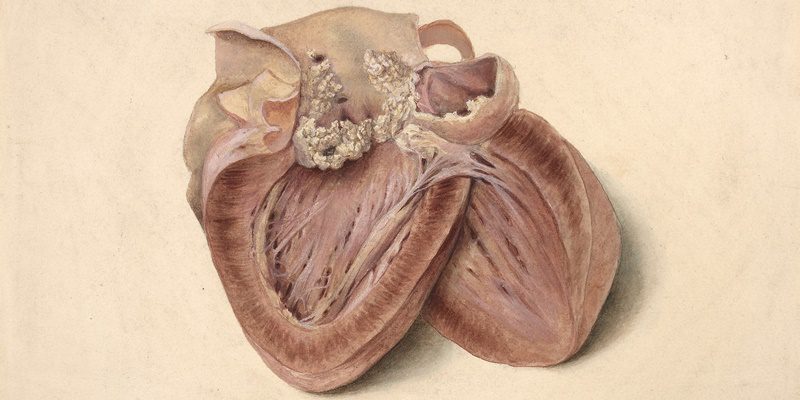
Image: PD

©2024 2 Minute Medicine, Inc. All rights reserved. No works may be reproduced without expressed written consent from 2 Minute Medicine, Inc. Inquire about licensing here. No article should be construed as medical advice and is not intended as such by the authors or by 2 Minute Medicine, Inc.

Tags: cardiologychronic diseaseclimateheatinternal medicinemyocardial blood flowpublic health
Previous Post

Early asthma and COPD intervention decreases healthcare utilization

Next Post

Acceptance and commitment therapy not associated with different outcomes in patients with coronary artery disease

RelatedReports

Cardiology

Chronic exposure to particulate matter is associated with increased cardiovascular risk

September 10, 2026
Rivaroxaban likely reduces risk of recurrent stroke in specific subgroup of patients with embolic stroke of undetermined source
Cardiology

The mortality in-hospital for patients undergoing elective catheter ablation for atrial fibrillation is low

September 4, 2026
“Housing First” linked to housing stability for homeless youth with mental illness
Public Health

Mortality in the post-housing period is high among homeless people in Ottawa, Canada

August 31, 2026
Risk of autism in offspring linked to maternal pregestational diabetes and severe obesity
Obstetrics

A landmark court ruling was associated with increased travel across state borders for abortion care

August 28, 2026
Next Post
American Academy of Pediatrics recommends standards for adverse event disclosures

Acceptance and commitment therapy not associated with different outcomes in patients with coronary artery disease

Estrogen withdrawal associated with perimenopausal depression

Tris Pharma Creates Onyda XR: The First Liquid Non-stimulant Medication For ADHD.

#VisualAbstract: Osimertinib after Chemoradiotherapy Increases Survival in Stage III EGFR-Mutated NSCLC

#VisualAbstract: Osimertinib after Chemoradiotherapy Increases Survival in Stage III EGFR-Mutated NSCLC

EvidencePulse™ by 2 Minute Medicine 2026 evidence scan 3 reports You asked top stroke trials 2026 Synthesizing medical evidence... Top 2026 stroke trial results: OCEANIC — ischemic stroke: 6.2% vs 8.4% OPTION* — mRS 0–1: 43.6% vs 34.2% ORIENTAL* — mRS 0–2: 58.6% vs 46.6% *Higher sICH in intervention arms Participants randomizedN OCEANIC 12,327 OPTION 570 ORIENTAL 564 Ask about guidelines or landmark trials... ↑ Try EvidencePulse™ Ask the evidence.
Get the signal.
Try it now → Physician-trained medical AI by 2 Minute Medicine

2MM+ All Access

Full details →
$4.99 /month

5-day free trial · cancel anytime

  • ✓100+ physician-written reports
  • ✓EvidencePulse™ + HypeCheck™
  • ✓Ad-free reading + newsletters
Start 5-day free trial

Then $4.99/month. Manage renewal in your account.

2 Minute Medicine® is an award winning, physician-run, expert medical media company. Our content is curated, written and edited by practicing health professionals who have clinical and scientific expertise in their field of reporting. Our editorial management team is comprised of highly-trained MD physicians. Join numerous brands, companies, and hospitals who trust our licensed content.

Recent Reports

  • Daraxonrasib extends survival in metastatic pancreatic cancer
  • Artificial intelligence (AI) scribes showed mixed effects on documentation time and improvements in physician well-being
  • A lower threshold for referral to the emergency department for outpatient hyperkalemia may reduce mortality
License Content
Terms of Use | Disclaimer
Cookie Policy
Cleantalk Pixel
2MM+ All Access Full details →

The medical literature, distilled daily.

Monthly plan selected: $4.99 /month.

$4.99/month

5-day free trial · cancel anytime

Start 5-day free trial

Then $4.99/month. Manage renewal in your account.

Yearly plan selected: $49.90 /year.

$49.90/year

2 months free · only $4.16/month

Start 5-day free trial

Then $49.90/year. Manage renewal in your account.

Membership benefits

  • ✓100+ physician-written reports
  • ✓AI EvidencePulse™ + HypeCheck™
  • ✓Ad-free reading + newsletters

Already a member? Sign in

  • About
  • Specialties
    • All Specialties, All Recent Reports
    • Cardiology
    • Chronic Disease
    • Dermatology
    • Emergency
    • Endocrinology
    • Gastroenterology
    • Imaging and Intervention
    • Infectious Disease
    • Nephrology
    • Neurology
    • Obstetrics
    • Oncology
    • Ophthalmology
    • Pediatrics
    • Pharma
    • Preclinical
    • Psychiatry
    • Public Health
    • Pulmonology
    • Rheumatology
    • Surgery
  • Tools
    • EvidencePulse™
    • HypeCheck™
    • NPI Registry Lookup
    • RVU Search
  • Pharma
  • AI Roundup
  • The Scan
  • Classics™
    • 2MM+ Online Access
    • Paperback and Ebook
  • Rewinds
  • Partners
    • License Content
    • Submit Press Release
    • Advertise with Us
  • Account
    • Subscribe
    • My account
    • Cart
    • Sign-in
No Result
View All Result

© 2026 2 Minute Medicine, Inc. - Physician-written medical news.