• About
  • Masthead
  • License Content
  • Advertise
  • Submit Press Release
  • RSS/Email List
  • 2MM Podcast
  • Write for us
  • Contact Us
2 Minute Medicine
No Result
View All Result

No products in the cart.

SUBSCRIBE
  • Specialties
    • All Specialties, All Recent Reports
    • Cardiology
    • Chronic Disease
    • Dermatology
    • Emergency
    • Endocrinology
    • Gastroenterology
    • Imaging and Intervention
    • Infectious Disease
    • Nephrology
    • Neurology
    • Obstetrics
    • Oncology
    • Ophthalmology
    • Pediatrics
    • Pharma
    • Preclinical
    • Psychiatry
    • Public Health
    • Pulmonology
    • Rheumatology
    • Surgery
  • Tools
    • EvidencePulse™
    • RVU Search
    • NPI Registry Lookup
  • Pharma
  • AI News
  • The Scan+
  • Classics™+
    • 2MM+ Online Access
    • Paperback and Ebook
  • Rewinds
  • Partners
    • License Content
    • Submit Press Release
    • Advertise with Us
  • Account
    • Subscribe
    • Sign-in
    • My account
2 Minute Medicine
  • Specialties
    • All Specialties, All Recent Reports
    • Cardiology
    • Chronic Disease
    • Dermatology
    • Emergency
    • Endocrinology
    • Gastroenterology
    • Imaging and Intervention
    • Infectious Disease
    • Nephrology
    • Neurology
    • Obstetrics
    • Oncology
    • Ophthalmology
    • Pediatrics
    • Pharma
    • Preclinical
    • Psychiatry
    • Public Health
    • Pulmonology
    • Rheumatology
    • Surgery
  • Tools
    • EvidencePulse™
    • RVU Search
    • NPI Registry Lookup
  • Pharma
  • AI News
  • The Scan+
  • Classics™+
    • 2MM+ Online Access
    • Paperback and Ebook
  • Rewinds
  • Partners
    • License Content
    • Submit Press Release
    • Advertise with Us
  • Account
    • Subscribe
    • Sign-in
    • My account
SUBSCRIBE
2 Minute Medicine
Subscribe
Home All Specialties Cardiology

Higher blood pressure targets do not improve outcomes in comatose patients
byAndrew LeeandKiera Liblik
October 25, 2022
in Cardiology, Emergency, Neurology
Reading Time: 3 mins read
0
Share on FacebookShare on Twitter

1. Comatose patients with a low blood pressure target did not significantly differ in rates of mortality or poor neurological outcomes at discharge as compared to a high blood pressure target group.

2. There were also no significant differences in the percentage of patients who experienced adverse events such as infection, bleeding, arrhythmia, or seizure between the low-target and high-target groups.

Evidence Rating Level: 1 (Excellent)

Study Rundown: An important part of post-resuscitation care is the maintenance of adequate perfusion to vital organs such as the brain, heart, and kidneys. There is a gap in the literature as to whether low or high-blood pressure targets result in better outcomes for comatose patients. The present study examined whether a higher (77 mmHg) or lower (63 mmHg) target mean arterial blood pressure would prevent death or severe anoxic brain injury in comatose survivors of out-of-hospital cardiac arrests. There was no significant difference in the percentage of patients who died or were discharged from the hospital with a poor neurological outcome between groups. There was also no interaction between oxygen-target interventions and blood pressure-target interventions. Overall, the results were consistent across all subgroup analyses of age, sex, and comorbidities. No significant differences were observed for secondary outcomes such as the Montreal Cognitive Assessment score, modified Rankin scale score, and Cerebral Performance Category (CPC) at three-month follow-up. Finally, there was no difference in serious adverse events such as infection, arrhythmia, bleeding, electrolyte disorder, metabolic disorder, or seizure between groups. The main strength of this trial was the large sample size compared to previous trials and the examination of numerous clinical and laboratory outcomes.

Click to read the study in NEJM

Relevant Reading: Oxygen targets in comatose survivors of cardiac arrest

RELATED REPORTS

Two scores for risk stratification of adults presenting with syncope may be effective at identifying those with low risk

Physical frailty is associated with increased risk of epilepsy

Adjuvanted influenza vaccines and high-dose influenza vaccines may have similar effectiveness in adult patients

In-Depth [randomized controlled trial]: The present study was a randomized trial with a 2-by-2 factorial design, where comatose patients who had been resuscitated after an out-of-hospital cardiac arrest were treated to meet one of two blood-pressure targets and undergo restrictive or liberal oxygenation. Adult patients who had been resuscitated after an out-of-hospital cardiac arrest with a sustained return of spontaneous circulation and who remained comatose on arrival to the hospital were eligible. All patients received temperature control, received mechanical ventilation, and were sedated with propofol and fentanyl. At 90 days, 34% of patients in the high-target group and 32% in the low-target group had been discharged from the hospital with a CPC of three or four or had died (hazard ratio, 1.08; 95% Confidence Interval [CI], 084 to 1.37; p=0.56). No interaction with the oxygen target intervention was observed (p=0.67). A total of 31% of patients in the high-target group and 29% in the low-target group died within 90 days of enrolment (hazard ratio, 1.13; 95% CI, 0.88 to 1.46). Renal-replacement therapy was initiated in the first five days for 10% of patients in the high-target group and 10% in the low-target group (hazard ratio, 1.03; 95% CI, 0.66 to 1.59). The median level of neuron-specific enolase levels was 18 μg per liter in the high-target group and 18 μg per liter in the low-target group. No significant differences in serious adverse events such as infection (relative risk [RR], 0.96; 95%CI, 0.82 to 1.11, p=0.56), any bleeding (RR, 0.93; 95% CI, 0.79 to 1.10, p=0.43), and seizure (RR 0.92; 95%CI, 0.78 to 1.08, p=0.32) were observed between the high and low target groups. In summary, the present study found that maintaining high versus low blood pressure targets did not influence outcomes in comatose patients.

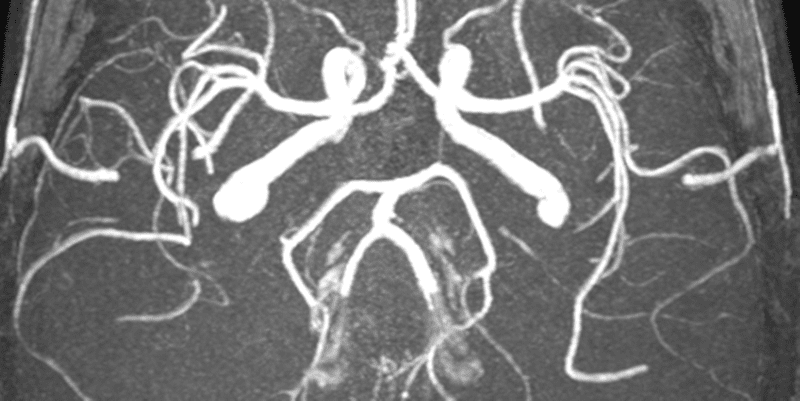
Image: PD

©2022 2 Minute Medicine, Inc. All rights reserved. No works may be reproduced without expressed written consent from 2 Minute Medicine, Inc. Inquire about licensing here. No article should be construed as medical advice and is not intended as such by the authors or by 2 Minute Medicine, Inc.

Tags: Blood pressure targetscardiologyComa patientsemergencymean arterial pressureneurologyPerfusion pressureSeizure
Previous Post

#VisualAbstract: Intensity-modulated radiotherapy alone is noninferior to concurrent chemoradiotherapy for low-risk nasopharyngeal carcinoma

Next Post

Chlorhexidine and povidone-iodine equally effective for skin antisepsis of open fractures undergoing surgical fixation

RelatedReports

Computed tomography improves diagnostic certainty in the emergency department
Cardiology

Two scores for risk stratification of adults presenting with syncope may be effective at identifying those with low risk

May 29, 2026
Home nursing visits for elderly after hospitalization may reduce short term mortality
Chronic Disease

Physical frailty is associated with increased risk of epilepsy

May 20, 2026
Live attenuated vaccine less effective in recent influenza season
Emergency

Adjuvanted influenza vaccines and high-dose influenza vaccines may have similar effectiveness in adult patients

May 15, 2026
Antiarrhythmic drugs have no survival benefit in shock-refractory out-of-hospital cardiac arrest
Cardiology

Resuscitative endovascular balloon occlusion of the aorta may not improve outcomes in adults with non-traumatic out-of-hospital cardiac arrest

May 14, 2026
Next Post
Survival greater in cervical cancer patients undergoing abdominal hysterectomy compared to minimally invasive techniques: the LACC trial

Chlorhexidine and povidone-iodine equally effective for skin antisepsis of open fractures undergoing surgical fixation

#VisualAbstract: Continued enzalutamide after progression of metastatic prostate cancer improves progression-free survival

#VisualAbstract: Continued enzalutamide after progression of metastatic prostate cancer improves progression-free survival

Strict tobacco licensing laws linked to reduced adolescent smoking initiation

Financial incentives effective in increasing smoking cessation rates in the UK

2 Minute Medicine® is an award winning, physician-run, expert medical media company. Our content is curated, written and edited by practicing health professionals who have clinical and scientific expertise in their field of reporting. Our editorial management team is comprised of highly-trained MD physicians. Join numerous brands, companies, and hospitals who trust our licensed content.

Recent Reports

  • Two scores for risk stratification of adults presenting with syncope may be effective at identifying those with low risk
  • Use of procalcitonin in neonatal late-onset sepsis may reduce the duration of antibiotic therapy without increase in mortality
  • A novel therapy targeting γ-aminobutyric acid is safe and may be effective in major depressive disorder
License Content
Terms of Use | Disclaimer
Cookie Policy
Privacy Statement (EU)
Disclaimer
  • Specialties
    • All Specialties, All Recent Reports
    • Cardiology
    • Chronic Disease
    • Dermatology
    • Emergency
    • Endocrinology
    • Gastroenterology
    • Imaging and Intervention
    • Infectious Disease
    • Nephrology
    • Neurology
    • Obstetrics
    • Oncology
    • Ophthalmology
    • Pediatrics
    • Pharma
    • Preclinical
    • Psychiatry
    • Public Health
    • Pulmonology
    • Rheumatology
    • Surgery
  • Tools
    • EvidencePulse™
    • RVU Search
    • NPI Registry Lookup
  • Pharma
  • AI News
  • The Scan
  • Classics™
    • 2MM+ Online Access
    • Paperback and Ebook
  • Rewinds
  • Partners
    • License Content
    • Submit Press Release
    • Advertise with Us
  • Account
    • Subscribe
    • Sign-in
    • My account
No Result
View All Result

© 2026 2 Minute Medicine, Inc. - Physician-written medical news.