• About
  • Masthead
  • License Content
  • Advertise
  • Submit Press Release
  • RSS/Email List
  • 2MM Podcast
  • Write for us
  • Contact Us
2 Minute Medicine
No Result
View All Result

No products in the cart.

SUBSCRIBE
  • About
  • Specialties
    • All Specialties, All Recent Reports
    • Cardiology
    • Chronic Disease
    • Dermatology
    • Emergency
    • Endocrinology
    • Gastroenterology
    • Imaging and Intervention
    • Infectious Disease
    • Nephrology
    • Neurology
    • Obstetrics
    • Oncology
    • Ophthalmology
    • Pediatrics
    • Pharma
    • Preclinical
    • Psychiatry
    • Public Health
    • Pulmonology
    • Rheumatology
    • Surgery
  • Tools+
    • EvidencePulse™
    • HypeCheck™
    • NPI Registry Lookup
    • RVU Search
  • Pharma
  • AI Roundup
  • The Scan+
  • Classics™+
    • 2MM+ Online Access
    • Paperback and Ebook
  • Rewinds
  • Partners
    • License Content
    • Submit Press Release
    • Advertise with Us
  • Account
    • Subscribe
    • My account
    • Cart
    • Sign-in
2 Minute Medicine
  • About
  • Specialties
    • All Specialties, All Recent Reports
    • Cardiology
    • Chronic Disease
    • Dermatology
    • Emergency
    • Endocrinology
    • Gastroenterology
    • Imaging and Intervention
    • Infectious Disease
    • Nephrology
    • Neurology
    • Obstetrics
    • Oncology
    • Ophthalmology
    • Pediatrics
    • Pharma
    • Preclinical
    • Psychiatry
    • Public Health
    • Pulmonology
    • Rheumatology
    • Surgery
  • Tools+
    • EvidencePulse™
    • HypeCheck™
    • NPI Registry Lookup
    • RVU Search
  • Pharma
  • AI Roundup
  • The Scan+
  • Classics™+
    • 2MM+ Online Access
    • Paperback and Ebook
  • Rewinds
  • Partners
    • License Content
    • Submit Press Release
    • Advertise with Us
  • Account
    • Subscribe
    • My account
    • Cart
    • Sign-in
SUBSCRIBE
2 Minute Medicine
Subscribe
EvidencePulse™ by 2 Minute Medicine 2026 evidence scan 3 reports You asked top stroke trials 2026 Synthesizing medical evidence... Top 2026 stroke trial results: OCEANIC — ischemic stroke: 6.2% vs 8.4% OPTION* — mRS 0–1: 43.6% vs 34.2% ORIENTAL* — mRS 0–2: 58.6% vs 46.6% *Higher sICH in intervention arms Participants randomizedN OCEANIC 12,327 OPTION 570 ORIENTAL 564 Ask about guidelines or landmark trials... ↑ Try EvidencePulse™ Ask the evidence.
Get the signal.
Try it now → Physician-trained medical AI by 2 Minute Medicine
Home Wellness

Wellness Check: Sleep

byAshley Jackson
March 16, 2023
in Wellness
Reading Time: 4 mins read
Decline in adolescent sleep duration over past 20 years
Share on FacebookShare on Twitter

Prior COVID-19 infection may result in poorer sleep health

1. In this cross-sectional study, it was found that participants had lower overall sleep health following a COVID-19 infection compared to pre-infection sleep levels.

2. Furthermore, COVID-19 symptom severity was found to be a significant predictor of poor overall sleep health.

Evidence Rating Level: 2 (Good)

COVID-19 has infected millions of people around the world and has been known to exhibit short-and long-term effects. Although research has identified numerous neurocognitive sequelae of COVID-19, such as brain fog, and memory impairments, there has been limited research into the impacts of the infection on long-term sleep outcomes. Therefore, the purpose of this cross-sectional study was to investigate the sleep health of an international cohort who had previously tested positive for COVID-19.

The study was conducted between March and June 2021 and consisted of 1001 individuals from 32 countries, ages 18 to 84 years. Participants were included if they had a prior positive viral or antibody COVID-19 test result. Participants completed a self-reported online questionnaire regarding their COVID-19 infection, demographic information, and prior health conditions The Regulatory Satisfaction Alertness Timing Efficiency Duration (RU-STATED) questionnaire was used to assess sleep health both before and after COVID-19 infection. The primary outcome was the difference in current sleep health compared to that prior to COVID-19 diagnosis.

RELATED REPORTS

Increased rapid eye movement (REM) sleep is associated with lower risks of several chronic diseases

2 Minute Medicine Rewind September 21, 2026

Cognitive behaviour therapy may be superior to bright light therapy for insomnia in women with breast cancer undergoing chemotherapy

The results showed that participants had lower overall sleep health compared to their recalled sleep health prior to COVID-19 infection. Factors such as sleep satisfaction and daytime alertness were significantly lower post-COVID-19 infection compared to before. Furthermore, the self-reported severity of COVID-19 symptoms was a significant predictor of poor sleep health. The study was limited by the cross-sectional design which may have introduced recall bias when participants were required to provide information on pre-infection sleep health. Nonetheless, the present study demonstrated the potential negative impacts of COVID-19 infection on long-term sleep outcomes.

Dementia is associated with high rates of sleep-related breathing disorders

1. In this meta-analysis, it was found that the pooled prevalence of sleep-related breathing disorders (SRBDs) among dementia patients was 59%. Obstructive sleep apnea (OSA) was the SRBD with the highest prevalence, at 55%, followed by unspecified SRBDs.

2. Furthermore, the highest prevalence of SRBDs among dementia subtypes was Alzheimer’s dementia, followed by Parkinson’s dementia.

Evidence Rating Level: 1 (Excellent)

Sleep-related breathing disorders (SRBDs), including obstructive sleep apnea (OSA), central sleep apnea (CSA), and other unspecified disorders, are very common among people with dementia. SRBDs are associated with worsening cognitive impairment and quality of life in this population. However, prior studies have lacked evidence on the prevalence of SRBDs among various dementia subtypes and have been limited by self-reported data. Therefore, the purpose of this meta-analysis was to look at the overall prevalence of SRBDs in dementia patients, as well as the prevalence of SRBDs based on dementia subtypes.

Of 1282 identified records, 20 studies (n=1461 participants) were included from 1986 to 2020. Studies were included if they were observational studies with cohort and cross-sectional designs, included patients ages 18 years or older with a diagnosis of dementia or Parkinson’s disease with mild or major cognitive impairment, and had SRBDs as an outcome that was diagnosed with objective measurements. Studies were excluded if they were meta-analyses or reviews, had insufficient data, or measured SBRDs using subjective measurements. The study was carried out according to PRISMA guidelines. The primary outcome was the pooled prevalence of SBRD in dementia patients.

The results demonstrated that the prevalence of SRBDs among dementia patients was 59%, with the most common being OSA. Alzheimer’s dementia had the highest prevalence of SRBDs at 89%, followed by Parkinson’s dementia with 56%. Furthermore, higher rates of SRBDs among dementia patients were found in males and in obese patients. The study was limited by the small sample size of only 20 studies. Nonetheless, the present study demonstrated an important association between SRBDs and different dementia subtypes.

Post-traumatic stress disorder and sleep disorders may exhibit a bi-directional relationship in U.S military members

1. In this prospective cohort study, military members who reported a post-traumatic stress disorder (PTSD) diagnosis at the first timepoint were significantly more likely to develop obstructive sleep apnea (OSA) alone, or the combination of OSA and insomnia, at the second timepoint.

2. Furthermore, a diagnosis of OSA and/or insomnia at the first timepoint significantly increased the likelihood of a new PTSD diagnosis or the development of PTSD symptoms at the second timepoint.

Evidence Rating Level: 2 (Good)

Post-traumatic stress disorder (PTSD) is very common among military members. Many people with PTSD experience other medical problems, many of which may impair sleep. However, the relationship between PTSD and sleep may be bi-directional, with poor sleep quality being known to precipitate mental health disorders. To date, no studies have looked at the relationship between PTSD and sleep disorders, such as obstructive sleep apnea (OSA) and insomnia, over time in military populations. Thus, the purpose of this prospective cohort study was to investigate the potential of a bi-directional relationship between sleep disorders and PTSD in this population over time.

The study included 82,432 participants from the Millennium Cohort Study, a longitudinal U.S military study, who completed surveys at two time points. The first timepoint was from 2011-2013 and the second was from 2014-2016. Participants were excluded if data regarding PTSD, OSA, and insomnia were missing at either time point. OSA was assessed via self-reporting, insomnia was assessed using a 7-item insomnia severity index, and PTSD was measured with the 17-item PTSD Checklist-Civilian Version. The primary outcome was the prevalence of PTSD and OSA/insomnia at either time point.

The results found that those who had a PTSD diagnosis at the first timepoint were significantly more likely to develop OSA alone, or the combination of OSA and insomnia, at the second time point than those who did not report a PTSD diagnosis. Furthermore, those with OSA and/or insomnia at the first time point were more likely to develop PTSD symptoms and/or report a diagnosis at the second timepoint. Certain military factors also significantly increased the likelihood of a new PTSD diagnosis, such as being deployed before the second timepoint. The study was limited by the use of self-reported data which may have caused inaccuracies in the medical diagnoses studied. Nonetheless, the study demonstrated a bi-directional nature between PTSD and sleep-related disorders in a military population over time.

Image: PD

©2023 2 Minute Medicine, Inc. All rights reserved. No works may be reproduced without expressed written consent from 2 Minute Medicine, Inc. Inquire about licensing here. No article should be construed as medical advice and is not intended as such by the authors or by 2 Minute Medicine, Inc.
Tags: Alzheimer’s diseaseCOVID-19dementiaInsomniamilitaryobstructive sleep apnea (OSA)Parkinson’spost-traumatic stress disorder (PTSD)sleepsleep apneasleep disordersleep qualitysleep-disordered breathingwellness
Previous Post

Addition of PD-L1 inhibitor may improve outcomes in neoadjuvant therapy for esophageal cancer

Next Post

Ultrasound ablation of globus pallidus reduces Parkinson’s disease motor symptoms

RelatedReports

Cardiology

Increased rapid eye movement (REM) sleep is associated with lower risks of several chronic diseases

September 23, 2026
Weekly Rewinds

2 Minute Medicine Rewind September 21, 2026

September 21, 2026
Sleep duration, sleepiness, chronotype have variable associations with teen self-regulation
Chronic Disease

Cognitive behaviour therapy may be superior to bright light therapy for insomnia in women with breast cancer undergoing chemotherapy

September 3, 2026
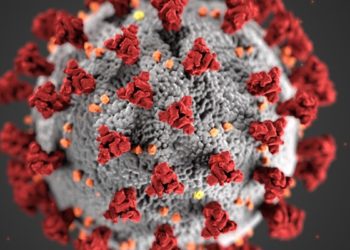
Novel coronavirus identified from patients with pneumonia in Wuhan, China
Emergency

Lower levels of education and place of birth were associated with non-admission to the intensive care unit in Sweden during COVID-19 pandemic

September 1, 2026
Next Post

Ultrasound ablation of globus pallidus reduces Parkinson’s disease motor symptoms

Sodium-glucose cotransporter-2 inhibitors are of intermediate or low economic value in the treatment of heart failure with preserved ejection fraction

Hidradenitis suppurativa associated with increased risk of subclinical atherosclerosis

Secukinumab reduces symptoms of moderate-to-severe hidradenitis suppurativa

EvidencePulse™ by 2 Minute Medicine 2026 evidence scan 3 reports You asked top stroke trials 2026 Synthesizing medical evidence... Top 2026 stroke trial results: OCEANIC — ischemic stroke: 6.2% vs 8.4% OPTION* — mRS 0–1: 43.6% vs 34.2% ORIENTAL* — mRS 0–2: 58.6% vs 46.6% *Higher sICH in intervention arms Participants randomizedN OCEANIC 12,327 OPTION 570 ORIENTAL 564 Ask about guidelines or landmark trials... ↑ Try EvidencePulse™ Ask the evidence.
Get the signal.
Try it now → Physician-trained medical AI by 2 Minute Medicine

2MM+ All Access

Full details →
$4.99 /month

5-day free trial · cancel anytime

  • ✓100+ physician-written reports
  • ✓EvidencePulse™ + HypeCheck™
  • ✓Ad-free reading + newsletters
Start 5-day free trial

Then $4.99/month. Manage renewal in your account.

2 Minute Medicine® is an award winning, physician-run, expert medical media company. Our content is curated, written and edited by practicing health professionals who have clinical and scientific expertise in their field of reporting. Our editorial management team is comprised of highly-trained MD physicians. Join numerous brands, companies, and hospitals who trust our licensed content.

Recent Reports

  • Increased rapid eye movement (REM) sleep is associated with lower risks of several chronic diseases
  • The use of neoadjuvant chemotherapy in patients with advanced epithelial ovarian cancer may reduce mortality
  • Alcohol use declines but remains above pre-pandemic levels
License Content
Terms of Use | Disclaimer
Cookie Policy
Cleantalk Pixel
2MM+ All Access Full details →

The medical literature, distilled daily.

Monthly plan selected: $4.99 /month.

$4.99/month

5-day free trial · cancel anytime

Start 5-day free trial

Then $4.99/month. Manage renewal in your account.

Yearly plan selected: $49.90 /year.

$49.90/year

2 months free · only $4.16/month

Start 5-day free trial

Then $49.90/year. Manage renewal in your account.

Membership benefits

  • ✓100+ physician-written reports
  • ✓AI EvidencePulse™ + HypeCheck™
  • ✓Ad-free reading + newsletters

Already a member? Sign in

  • About
  • Specialties
    • All Specialties, All Recent Reports
    • Cardiology
    • Chronic Disease
    • Dermatology
    • Emergency
    • Endocrinology
    • Gastroenterology
    • Imaging and Intervention
    • Infectious Disease
    • Nephrology
    • Neurology
    • Obstetrics
    • Oncology
    • Ophthalmology
    • Pediatrics
    • Pharma
    • Preclinical
    • Psychiatry
    • Public Health
    • Pulmonology
    • Rheumatology
    • Surgery
  • Tools
    • EvidencePulse™
    • HypeCheck™
    • NPI Registry Lookup
    • RVU Search
  • Pharma
  • AI Roundup
  • The Scan
  • Classics™
    • 2MM+ Online Access
    • Paperback and Ebook
  • Rewinds
  • Partners
    • License Content
    • Submit Press Release
    • Advertise with Us
  • Account
    • Subscribe
    • My account
    • Cart
    • Sign-in
No Result
View All Result

© 2026 2 Minute Medicine, Inc. - Physician-written medical news.